

Finishing a hard swim set or a punishing long run feels like the work is done. But here’s the thing: the adaptation you’re chasing actually happens in the hours after training, not during it. Getting your triathlon recovery nutrition right is what separates athletes who consistently improve from those who just accumulate fatigue. I spent a good chunk of my first year of triathlon underfuelling after sessions, wondering why my legs always felt heavy. It wasn’t until I started treating the post-workout window as seriously as the session itself that things really clicked.
Triathlon recovery nutrition is the practice of consuming the right combination of carbohydrates and protein within a specific timeframe after training to replenish glycogen stores, stimulate muscle repair, and reduce inflammation. For plant-based athletes especially, getting the timing and food choices right can make a meaningful difference to how you feel the next day.
Why the Recovery Window Actually Matters
There’s a lot of noise about the so-called “anabolic window” and whether it’s as narrow as people once thought. The science has shifted a bit. Research published in the Journal of the International Society of Sports Nutrition suggests the window is broader than the old “eat within 30 minutes or lose all your gains” mantra implied. That said, for triathletes doing double sessions or back-to-back training days, the sooner you refuel, the better positioned you are for your next session.
The practical takeaway: aim to eat something meaningful within 60 to 90 minutes of finishing. For sessions lasting over 90 minutes or anything high-intensity, treat that window as a genuine priority rather than an afterthought.
The Carb-Protein Ratio: Getting the Balance Right
Recovery nutrition isn’t just protein. Carbohydrates matter enormously because you need to restock glycogen. A commonly cited ratio is 3:1 or 4:1 carbohydrates to protein after endurance work. So for a long bike ride, you’re looking at something like 60-80g of carbs alongside 20-25g of protein.
After shorter or lower intensity sessions, a roughly 2:1 ratio works well. A swim technique session at aerobic pace doesn’t drain glycogen the same way a threshold run does. Matching your recovery nutrition to the actual demands of the session is smarter than eating the same thing every time.
Away from home, or races, I’ll often have a recovery shake ready in the car before I’ve even loaded up the bike. By the time I’m home and showered, I’ve already started the process.
Plant-Based Post-Workout Nutrition: Best Protein Sources
One of the most common questions plant-based triathletes get is whether you can hit your protein needs without meat or dairy. Yes, absolutely. But you do need to be intentional about it.
Here are the plant-based protein sources I rely on most after training:
- Soy protein isolate or edamame – complete amino acid profile, easy to digest, reliable
- Tofu or tempeh – tempeh especially is fermented, which aids absorption
- Lentils and legumes – pair with rice for a full amino acid spectrum
- Hemp seeds – excellent omega-3 to omega-6 ratio, 10g protein per 30g serving
- Pea protein powder – high in branched-chain amino acids, good leucine content for muscle protein synthesis
- Chickpeas – versatile, easy to prep ahead, pairs well with carb-rich foods
Leucine in particular is the amino acid that triggers muscle protein synthesis, and it’s worth knowing your plant sources. Soy, pea, and hemp are the strongest performers here. Pair them consistently and you’re well covered. I touched on some of this in the context of high-protein breakfast benefits, and the same logic applies post-workout.
Anti-Inflammatory Foods That Speed Up Recovery
Muscle soreness isn’t just about protein synthesis. Inflammation is a normal part of the adaptation process, but chronically high inflammation slows recovery and increases injury risk. Certain foods help manage this without suppressing the adaptations you’re working toward.
Tart cherry is one of the most evidence-backed options. Pro cyclists have been experimenting with it for a while now, and I genuinely think it helps in muscle soreness the following morning. There’s a nice write-up on this alongside some creative ideas over on the cherries, protein and beetroot recovery piece. Beetroot itself also supports recovery through its nitrate content, which helps with circulation and oxygen delivery.
Other foods worth building into your recovery meals:
- Turmeric with black pepper – curcumin is a well-studied anti-inflammatory compound
- Ginger – particularly effective for exercise-induced muscle pain
- Blueberries and mixed berries – polyphenols reduce oxidative stress
- Walnuts – omega-3 fatty acids, great added to a post-workout smoothie
- Leafy greens – spinach and kale offer magnesium and vitamin K, both important for muscle function
Tailoring Recovery Nutrition to Your Session Type
Not every session needs the same response. Here’s how I think about matching recovery nutrition to what I’ve actually done:
After a Long Swim
Swimming is deceiving. Cold water suppresses appetite, so hunger cues can lag behind actual need. After a long pool session, prioritise carbs alongside a moderate protein hit. A smoothie with banana, oat milk, pea protein and frozen berries is quick, easy, and hits all the right notes.
After a Hard Bike Session
Cycling depletes glycogen significantly, particularly anything with intervals above threshold. The priority here is carbohydrate replenishment first. Rice, sweet potato, or oats alongside a protein source works brilliantly. Think a big bowl of rice and lentils, or a sweet potato with tempeh and greens.
After a Run (Especially Longer Efforts)
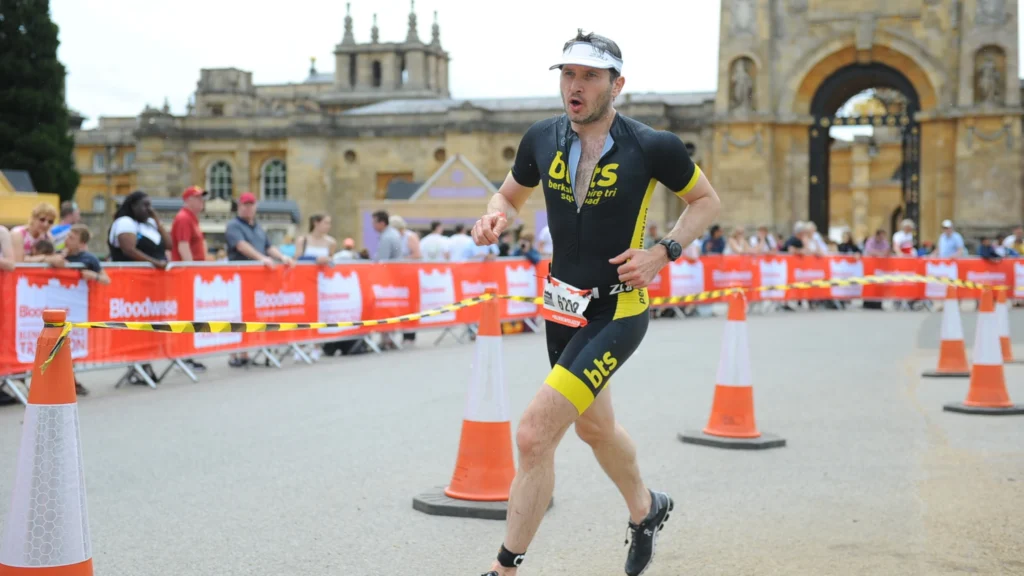
Running creates more muscular damage than swimming or cycling due to the impact loading. So protein becomes a slightly higher priority here. I’ll often have a larger protein portion after a hard run, around 25-30g, combined with a good carb base. At the London Marathon, the event left my legs absolutely wrecked for days, and I learned fairly quickly that skimping on recovery nutrition after long runs only made things worse over a training block.
Hydration Is Part of Recovery Too
You can eat perfectly and still undermine your recovery if you skip rehydration. Replacing fluids and electrolytes lost through sweat is just as important as the food side of things. Electrolyte tablets are a practical way to accelerate this, especially after sweaty summer sessions or anything over 90 minutes.
A rough guide: aim to drink 1.5 times the fluid you lost through sweat in the two hours following training. Knowing your personal sweat rate takes the guesswork out of it completely.
Practical Recovery Meal Ideas for Plant-Based Triathletes
Here are some go-to meals that work well in real life, not just in theory:
- Smoothie: banana, oat milk, pea protein, frozen mango, tablespoon of hemp seeds, pinch of ginger
- Rice bowl: brown rice, edamame, roasted sweet potato, tahini dressing, toasted sesame seeds
- Lentil soup with wholegrain bread: high carb, solid protein, easy to prep in bulk
- Tofu scramble on sourdough: works brilliantly for morning sessions before work
- Overnight oats: prep the night before, add protein powder and berries, grab straight from the fridge
Meal prep is your best friend here. When you finish a session tired and hungry, the last thing you want is to be standing in the kitchen figuring out what to make. Having something ready removes the barrier entirely.
Sleep: The Recovery Nutrition You Can’t Eat
Worth a brief mention: a late evening snack that combines a small amount of protein with a low-GI carbohydrate can support overnight muscle repair. Think a small bowl of soy yoghurt with oats, or some nut butter on rice cakes. Studies have shown that pre-sleep protein intake can enhance overnight muscle protein synthesis, which is particularly useful in heavy training blocks.
Combine that with genuinely good sleep and you’re giving your body the best possible environment to adapt. Recovery isn’t passive. It’s a skill you can get better at.
If you want to complement your nutrition recovery with some physical recovery practices, the essential yoga stretches for post-workout recovery piece is worth bookmarking for your cool-down routine.
A quick note: everything here is based on my personal experience as a plant-based age-group athlete. It’s not medical or clinical nutrition advice. If you have specific dietary requirements or health conditions, a registered sports dietitian is the right person to talk to.


Leave a Comment
You must be logged in to post a comment.