
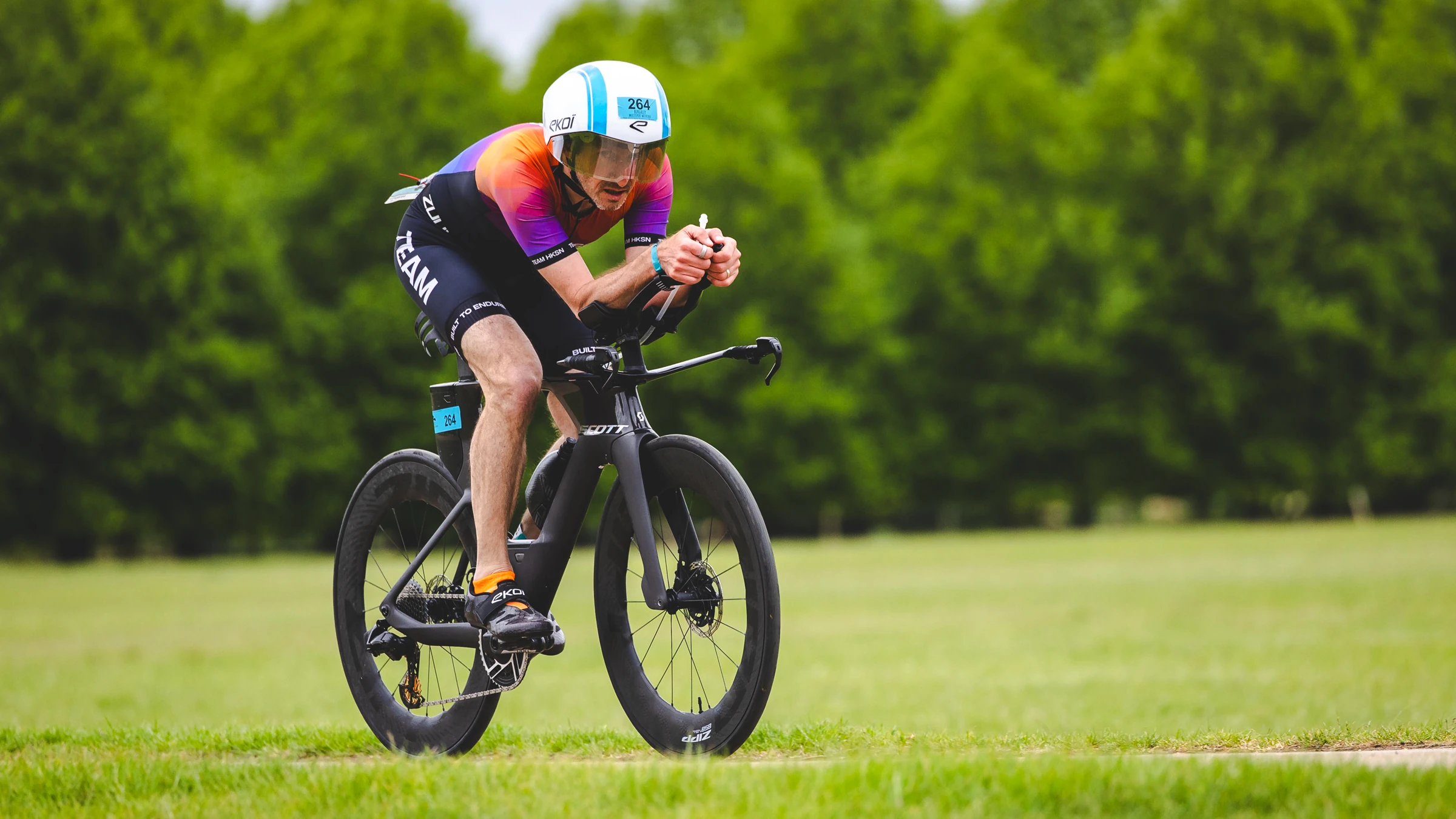
Staring at the power meter display during my first FTP test, I wondered if I was doing it right. The numbers felt brutal, my legs screamed, but something clicked when I started training with proper zones afterwards. That breakthrough changed everything about how I approached cycling in triathlon.
FTP testing isn’t just about finding a number to brag about. It’s your gateway to structured, effective training that actually moves the needle on performance.
What Is FTP and Why Does It Matter?
Functional Threshold Power (FTP) represents the highest power output you can sustain for approximately one hour. Think of it as your cycling sweet spot where you’re working hard but not completely blowing up.
For triathletes, FTP becomes crucial because it defines your training zones. These zones help you nail the right intensity for different sessions, whether you’re building base fitness or sharpening race pace.
Unlike heart rate, which can fluctuate with temperature, caffeine, or sleep quality, power remains consistent. Your legs either produce 250 watts or they don’t.
Preparing for Your FTP Test
Success starts before you even clip in. Schedule your test when you’re fresh, ideally after a rest day or easy session. Avoid testing when you’re carrying fatigue from hard training blocks.
Set up your environment properly. Whether you’re using a turbo trainer indoors or heading out on the road, consistency matters. Indoor testing eliminates variables like wind and traffic, making it easier to maintain steady effort.
Fuel appropriately beforehand. A light meal 2-3 hours prior works well, avoiding anything that might cause digestive issues during the test.
The 20-Minute FTP Test Protocol
The classic 20-minute test remains the gold standard for most cyclists and triathletes. Here’s how it works:
Warm-up (20 minutes):
Start with 10 minutes easy spinning, gradually building intensity. Include 3-4 short efforts of 1 minute each at race pace, with easy recovery between. Finish with 5 minutes steady riding.
The Test (20 minutes):
This is where it gets interesting. You’re aiming for the highest sustainable power you can hold for the full 20 minutes. Start conservatively for the first 5 minutes, then settle into your target effort.
The key word is sustainable. Going too hard early will leave you crawling to the finish. Better to negative split and finish strong than blow up halfway through.
Cool-down (10-15 minutes):
Easy spinning to gradually bring your heart rate down.
Alternative Testing Methods
Not everyone loves the suffering of a 20-minute test. The ramp test offers a different approach, gradually increasing power until failure. Many smart trainers now include automated ramp test protocols.
Some athletes prefer the 8-minute test, performing two 8-minute efforts with recovery between. Take the higher of the two values as your FTP estimate.
Different protocols can hand you different numbers for the same set of legs. When researchers put trained cyclists and triathletes through both a ramp-based critical power test and a 20-minute FTP test, the two methods disagreed by more than the 5% margin sports scientists usually accept as interchangeable (Karsten et al., 2021). Which is the long way of saying: pick one protocol and stick with it, so your numbers stay comparable over time.
Calculating Your Training Zones
Once you have your FTP number, the magic happens. Your training zones break down roughly as follows:
Zone 1 (Active Recovery): Less than 55% FTP
Zone 2 (Endurance): 56-75% FTP
Zone 3 (Tempo): 76-90% FTP
Zone 4 (Lactate Threshold): 91-105% FTP
Zone 5 (VO2 Max): 106-120% FTP
Zone 6 (Neuromuscular): Over 121% FTP
Most of your training happens in zones 1-4, with higher zones reserved for specific race preparation or short, intense sessions.
Using Your Zones Effectively
Having zones means nothing if you don’t use them properly. Zone 2 rides should feel conversational, even though your ego might want to push harder. These sessions build your aerobic engine without accumulating excessive fatigue.
Zone 4 work mimics race effort for many triathlon distances. Practice holding this power during your bike leg to nail your pacing on race day.
Remember, these zones guide your training, not rule it with an iron fist. Some days you’ll feel stronger, others weaker. Listen to your body while using the zones as a framework.
When to Retest
FTP isn’t static. As you get fitter, it increases. Plan to retest every 6-8 weeks during focused training blocks, or when your current zones start feeling significantly easier.
Seasonal changes also warrant retesting. Your FTP might drop slightly during base training phases but increase during build periods.
Don’t become obsessed with testing. Some athletes test weekly, which creates more stress than benefit. Focus on consistent training, and let the improvements come naturally.
Making FTP Work for Triathlon
Pure cyclists can focus solely on FTP, but triathletes face additional considerations. Your bike leg comes after swimming and before running, affecting your sustainable power output.
Practice race-specific scenarios during training. Brick sessions help you understand how your cycling power translates when you need to run afterwards.
Consider slightly conservative pacing during races. Holding 85% FTP for the bike leg might leave you stronger for the run than hammering at 95% FTP.
Getting your FTP dialed in transforms training from guesswork into precision. Those numbers on your power meter become your training partners, guiding every pedal stroke towards better performance. Give testing a proper go, and watch how structured zones elevate your cycling game.


Leave a Comment
You must be logged in to post a comment.