
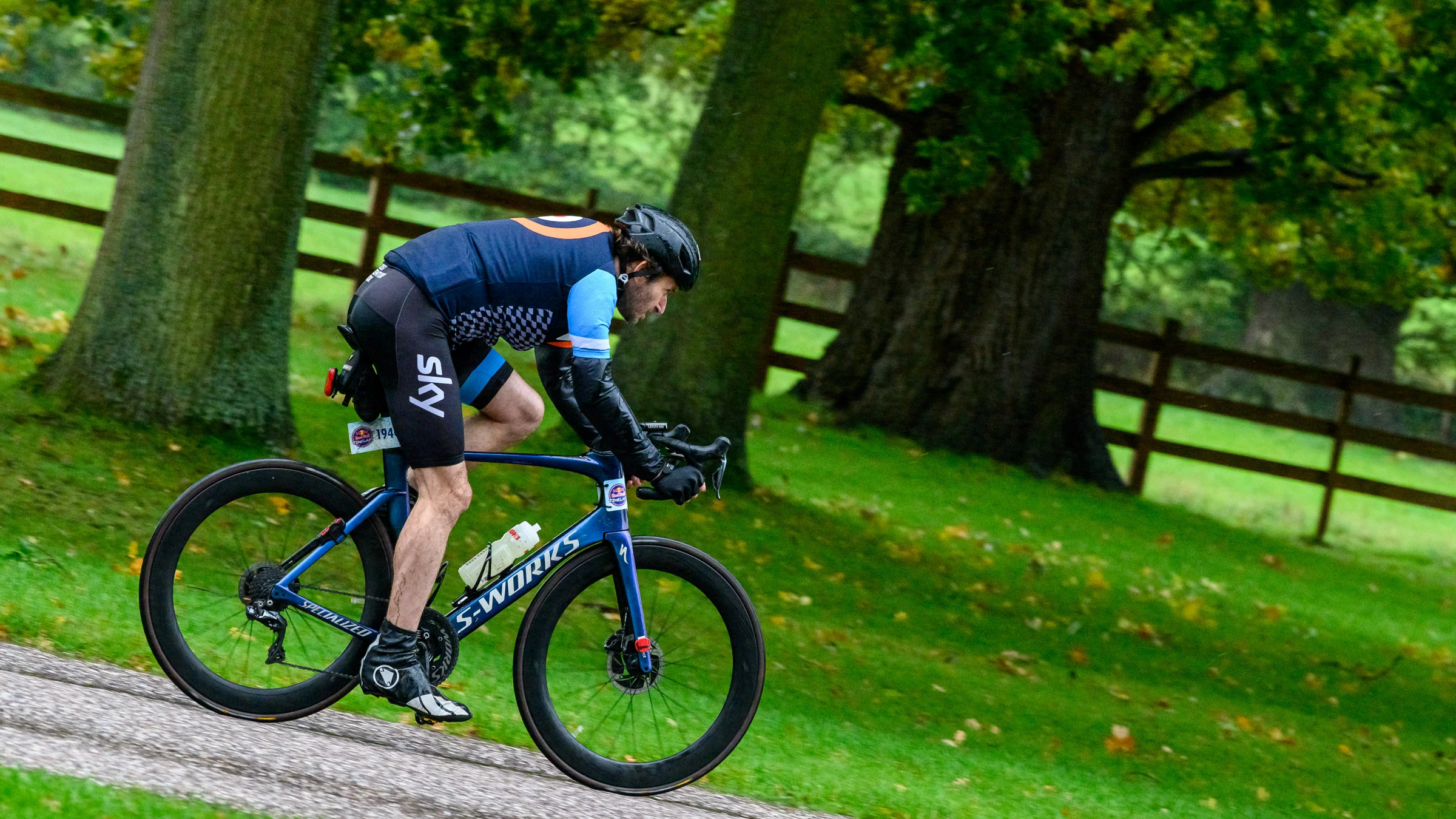
Imagine. You’re 90 kilometres into an iron-distance bike leg, and while others are starting to fade, you’re still cruising comfortably. Your heart rate is steady, your legs feel strong, and you know you’ve got plenty left for the marathon ahead. That magical feeling? It’s your aerobic base doing exactly what it’s supposed to do.
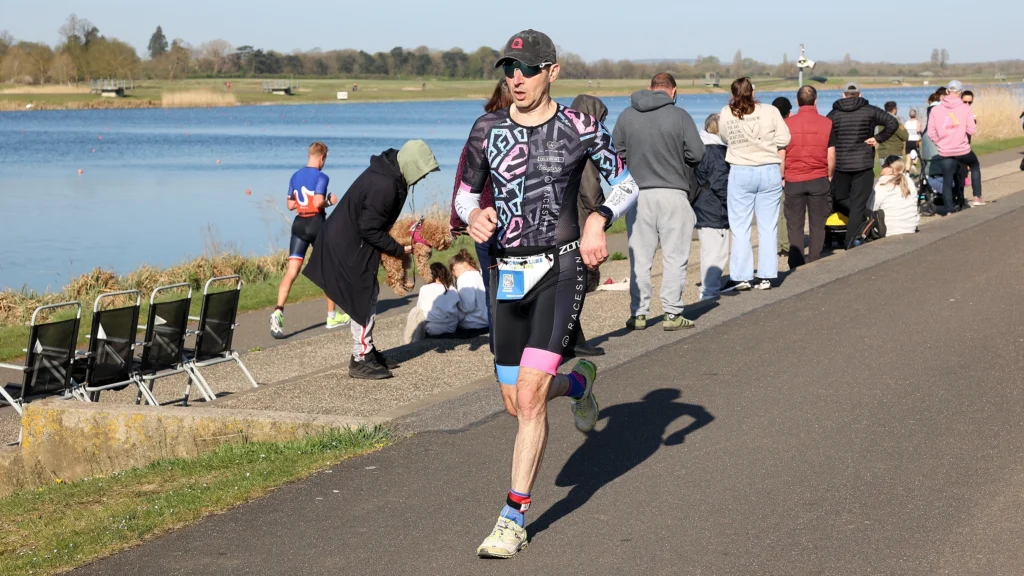
After six iron-distance races and countless hours of training, I know that Zone 2 training is the secret sauce that separates those who finish strong from those who simply survive. Yet it’s the training zone most triathletes either ignore or completely misunderstand.
What Actually Is Zone 2 Training?
Zone 2 training targets your aerobic energy system specifically. It’s that sweet spot where you’re working hard enough to stimulate adaptation but easy enough to maintain for hours. Think conversational pace where you could chat with a training buddy, but you’d prefer not to.
The magic happens at the cellular level. Zone 2 training increases mitochondrial density and improves your body’s ability to use fat as fuel. For triathletes tackling longer distances, this is pure gold. While FTP testing helps determine your threshold power, Zone 2 work builds the engine that supports everything else.
Most heart rate zones place Zone 2 between 60-70% of your maximum heart rate, though individual variation is significant. Some athletes find lactate testing provides more accurate zones, particularly if you’re serious about optimising your training.
Why Zone 2 Matters for Triathlon Success
Triathlon is fundamentally an aerobic sport. Even sprint distance races rely heavily on your aerobic system. For longer distances like 70.3 and iron-distance events, aerobic capacity becomes absolutely critical.
Zone 2 training delivers three key adaptations. First, it increases mitochondrial volume and efficiency, essentially upgrading your cellular power plants. Second, it improves capillary density, enhancing oxygen delivery to working muscles. Third, it teaches your body to burn fat more efficiently, preserving precious glycogen stores for when you really need them.
During my build-up phases, roughly 70-80% of my training volume sits in Zone 2. It might feel slow initially, but the payoff during races is enormous. You’ll find yourself maintaining higher absolute speeds while staying aerobically comfortable.
Zone 2 Training Across All Three Disciplines
Swimming in Zone 2
Swimming Zone 2 sessions often involve longer sets with short rest intervals. Think 4 x 400m with 30 seconds rest, or continuous swimming for 20-30 minutes. The challenge is maintaining technique while keeping effort controlled.
Heart rate monitors aren’t practical for swimming, so perceived effort becomes your guide. You should feel like you could continue indefinitely, with breathing relaxed and stroke rhythm consistent.
Cycling in Zone 2
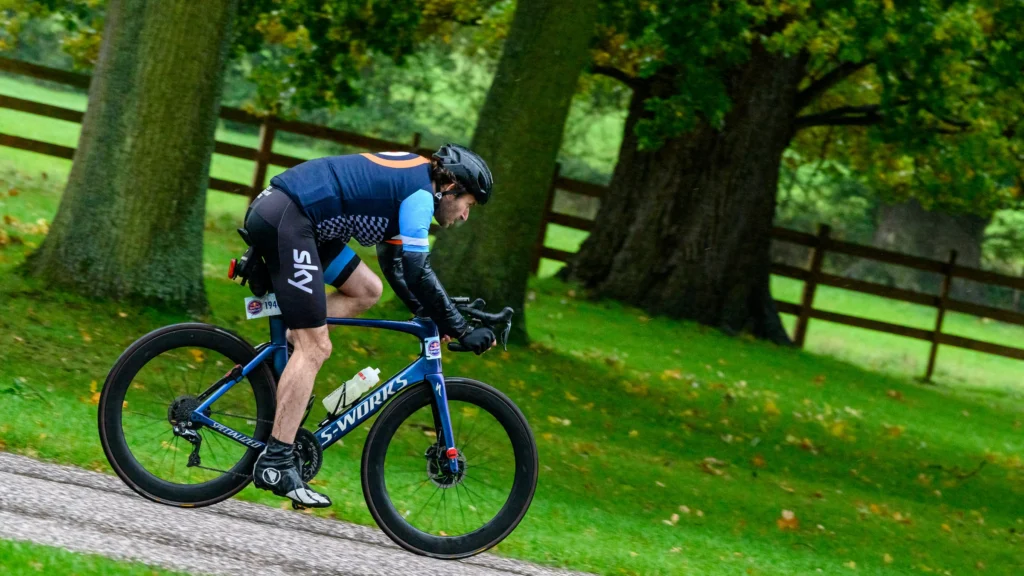
Cycling offers the perfect platform for Zone 2 work. Long, steady rides on relatively flat terrain work brilliantly. Power meters make pacing precise, but heart rate works fine too.
My favourite Zone 2 bike sessions include 2-3 hour rides maintaining steady effort, or interval sessions like 3 x 20 minutes in Zone 2 with 5 minutes recovery. The key is resisting the urge to push harder on climbs or when feeling fresh.
Running in Zone 2
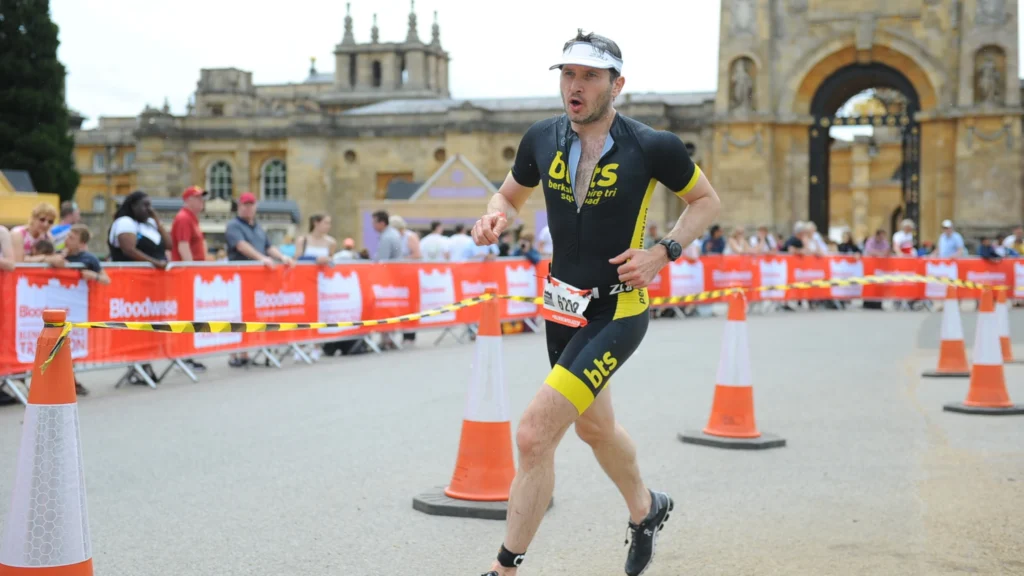
Zone 2 running often feels frustratingly slow initially. Many runners discover their Zone 2 pace is much slower than expected. Embrace it. Consistency trumps speed for aerobic development.
Base-building runs of 60-90 minutes work perfectly. Some days I’ll run entirely by feel, keeping effort conversational. Other days I’ll use heart rate to ensure I’m not drifting into Zone 3.
Common Zone 2 Training Mistakes
The biggest mistake? Going too hard. Zone 2 should feel almost easy, particularly early in sessions. Many athletes push into Zone 3 thinking they’re not working hard enough.
Another common error is insufficient consistency. Zone 2 adaptations take time, often 6-8 weeks of regular training. Sporadic efforts won’t deliver the same benefits as steady, consistent volume.
Equipment obsession can also derail progress. While power meters and heart rate monitors help, perceived effort and consistency matter more than perfect data. Don’t let technology paralysis prevent you from simply getting out there.
Fuelling Long Zone 2 Sessions
Zone 2 training provides excellent opportunities to practice race nutrition. During longer sessions (90+ minutes), experiment with different fuelling strategies.
As a plant-based athlete, I’ve found dates, bananas, and homemade energy balls work brilliantly for Zone 2 sessions. The lower intensity means your digestive system can handle more solid foods compared to threshold work.
Hydration remains crucial, particularly during longer bike sessions. Practice your race hydration strategy during Zone 2 work, including electrolyte replacement for sessions over two hours.
Periodising Your Zone 2 Training
Zone 2 training isn’t just for base phases. Throughout the season, maintaining aerobic capacity supports higher intensity work and speeds recovery between harder sessions.
During base building phases, 70-80% of training volume in Zone 2 works well. As racing approaches, this might drop to 50-60%, but Zone 2 work never disappears entirely.
Recovery weeks offer perfect opportunities for Zone 2 focus. Lower volume but maintained aerobic stimulus helps maintain fitness while allowing adaptation to previous training blocks.
Measuring Progress in Zone 2
Progress in Zone 2 manifests as improved efficiency rather than dramatic breakthrough performances. Track metrics like power or pace at consistent heart rates over time.
For example, if your Zone 2 cycling power gradually increases while heart rate stays constant, that’s clear evidence of aerobic improvement. Similarly, running pace improvements at steady heart rate indicate positive adaptation.
Subjective markers matter too. Zone 2 sessions should start feeling easier, and recovery between harder training sessions should improve. Race performances will feel more controlled, with less dramatic fade in the latter stages.
Research consistently shows that aerobic base training forms the foundation for all other energy system development. Without this aerobic foundation, higher intensity work becomes less effective and sustainability decreases.
Making Zone 2 Training Enjoyable
Long Zone 2 sessions can feel monotonous, but they don’t have to be boring. Explore new routes, listen to podcasts, or train with friends at similar fitness levels.
Group rides work brilliantly for Zone 2 work, provided everyone commits to the prescribed effort. Some of my most enjoyable training sessions have been long, steady rides with club mates, chatting and exploring new areas.
For solo sessions, music, audiobooks or podcasts make time pass quickly. Choose engaging content that doesn’t require intense concentration, allowing you to monitor effort and form simultaneously.
Zone 2 training might not provide the immediate satisfaction of crushing threshold intervals, but it’s the foundation everything else is built upon. Embrace the process, trust the science, and watch your endurance performances reach new levels. Your future racing self will thank you for every steady, controlled hour you invest now.


Leave a Comment
You must be logged in to post a comment.