
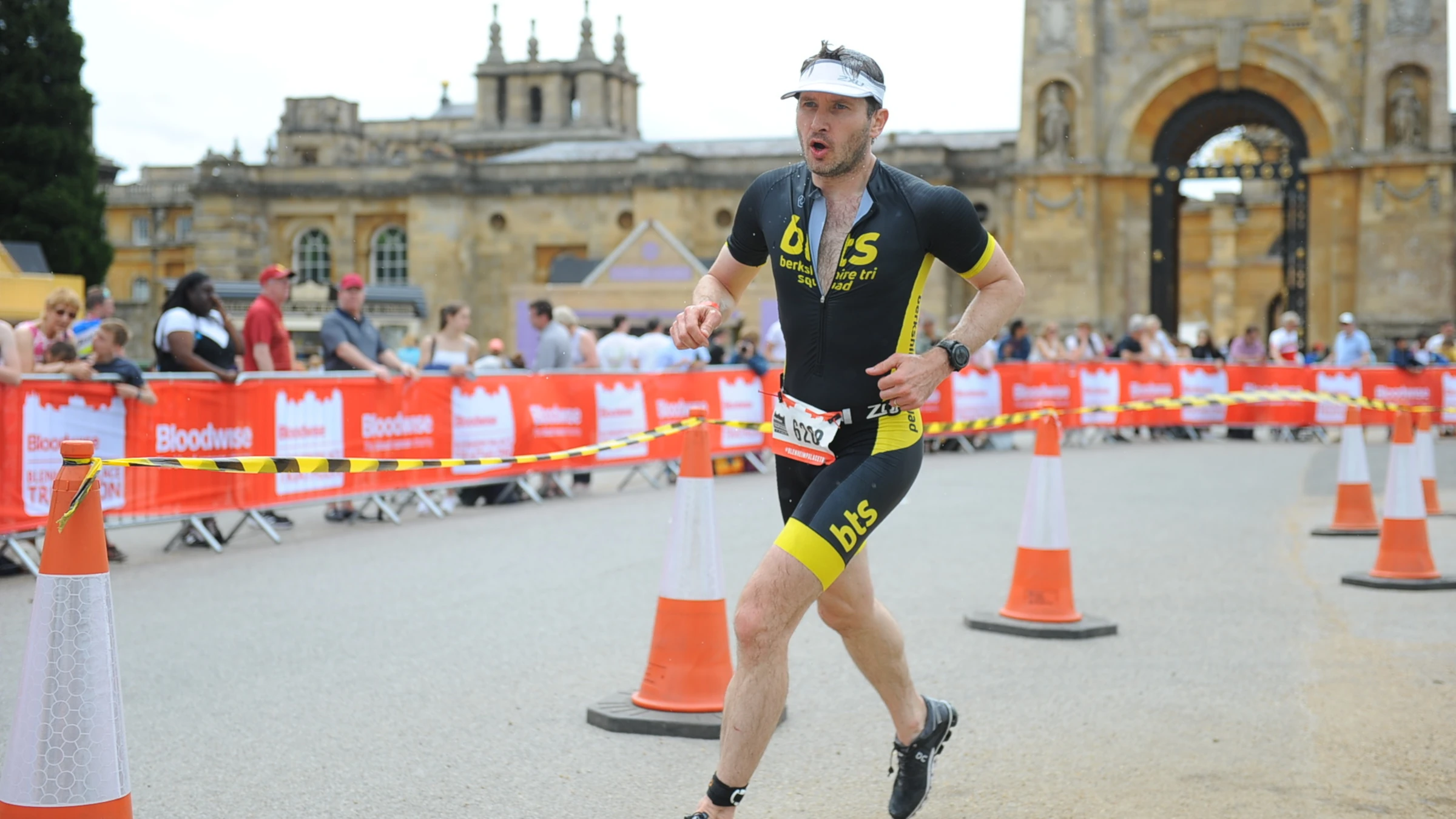
A while ago, I watched a fellow club member absolutely fly past me during parkrun. Six months before that, he was struggling to keep up with the back markers. His secret? Structured interval training that actually targets the demands of triathlon running.
Here’s the thing about running intervals for triathletes: most athletes either skip them entirely or do generic track sessions that fall short. We’re not training to be pure runners. We need speed sessions that work when our legs are already fatigued from swimming and cycling.
Why Traditional Running Intervals Fall Short for Triathletes
The classic 400m repeats that work brilliantly for runners can leave triathletes feeling fast but racing slow. That’s because triathlon running happens in a unique physiological state.
Your glycogen stores are partially depleted. Your core temperature is elevated. Your running muscles have been pre-fatigued by hours of swimming and cycling. Traditional speed work doesn’t prepare you for these realities.
After completing over 100 races, I’ve learned that the most effective intervals for triathletes simulate race conditions while building the specific adaptations we need.
The Foundation: Threshold Intervals
These form the backbone of effective triathlon speed training. Threshold intervals target your lactate threshold, the pace you can sustain for roughly an hour.
The Session: 3-5 x 8-12 minutes at threshold pace with 2-3 minute recoveries.
This isn’t about running as fast as possible. Threshold pace should feel comfortably hard, a pace where you could speak in short sentences but wouldn’t want to hold a conversation.
The beauty of threshold work lies in its specificity to triathlon racing. Most age-group triathletes run their 10K leg at or slightly below threshold pace. Training at this intensity teaches your body to clear lactate efficiently while maintaining good form under fatigue.
Race Simulation Intervals
These sessions bridge the gap between pure speed work and race reality. They’re designed to replicate the physiological stress of running off the bike.
Brick Intervals: Complete a moderate bike session, then immediately run 4-6 x 3 minutes at 10K race pace with 90-second recoveries.
The first interval always feels shocking. Your legs are heavy, your cadence feels off, and your pace seems impossibly hard. By the fourth interval, something magical happens. Your body adapts, finding its rhythm despite the accumulated fatigue.
This adaptation is exactly what happens during races. Your body learns to recruit fresh motor units and optimise movement patterns when the primary running muscles are compromised.
VO2 Max Intervals Done Right
High-intensity intervals still have a place in triathlon training, but they need to be approached differently than pure running protocols.
The Session: 5-8 x 3 minutes at 5K pace with equal rest periods.
Notice the longer intervals and generous recovery? Research shows that slightly longer VO2 max intervals are more effective for endurance athletes, allowing for greater time spent at the target intensity.
These sessions build your top-end aerobic power while teaching your body to recover quickly between efforts. That recovery capacity proves invaluable during races when you need to respond to surges or handle challenging terrain.
Progressive Intervals for Mental Strength
Some of my most valuable sessions aren’t about pure physiological adaptation. They’re about building the mental resilience that separates good triathletes from great ones.
Progression Run Intervals: 6 x 5 minutes starting at aerobic pace, finishing each interval 10-15 seconds per kilometre faster than the last.
These intervals teach you to dig deeper when everything hurts. They simulate the final kilometres of a race when your body wants to slow down but your mind needs to find another gear.
The progression format builds confidence too. You prove to yourself repeatedly that you can go faster when it matters most.
Recovery Between Intervals: The Plant-Based Advantage
What you consume between intervals significantly impacts the quality of your session. While many athletes reach for sports drinks, I’ve found beetroot juice provides superior nitrate content for sustained performance.
Between longer intervals, a small amount of natural carbohydrates helps maintain blood glucose levels. Fresh dates or a banana provide easily digestible fuel without the artificial additives found in many commercial products.
The key is keeping intake minimal during shorter sessions while ensuring adequate hydration and electrolyte balance.
Programming Your Interval Training
Effective interval training isn’t about cramming in as many hard sessions as possible. It’s about strategic placement within your broader training plan.
Early in the season, focus on threshold intervals to build your aerobic capacity and improve lactate clearance. These sessions are less stressful on your musculoskeletal system while providing significant aerobic adaptations.
Mid-season, introduce VO2 max work to sharpen your top-end fitness. These higher-intensity sessions should never exceed 20% of your total training time.
Race-specific intervals become crucial 6-8 weeks before your key events. These sessions rehearse the exact demands you’ll face on race day.
Common Mistakes to Avoid
The biggest error I see triathletes make is running their intervals too fast. Every session becomes a time trial rather than targeted training.
Another common mistake is inadequate recovery between intervals. Those rest periods aren’t dead time; they’re when adaptations occur. Cutting recovery short compromises the quality of subsequent efforts.
Finally, many athletes schedule intervals randomly throughout their training week. Proper placement matters enormously. Hard running sessions should follow easier bike and swim days when possible.
Making Intervals Sustainable
The best interval session is the one you’ll actually complete consistently. That means finding venues, paces, and formats that work within your lifestyle constraints.
Track access isn’t essential. Some of my most effective sessions happen on quiet roads with measured distances or timed efforts. The key is consistency and progressive overload.
Consider joining group sessions when possible. Training with others provides motivation and accountability while making hard efforts more enjoyable.
Your running speed as a triathlete isn’t just about your legs. It’s about your ability to maintain pace when everything else is compromised. These interval sessions prepare you for exactly that challenge, building the specific fitness that translates to faster race times.
Start with one quality interval session per week, focusing on execution over intensity. Master the basics before adding complexity. Your future racing self will thank you for the disciplined approach to building genuine triathlon speed.


Leave a Comment
You must be logged in to post a comment.