
I was part of a thread on Reddit that perfectly sums up triathlon kit chat. Someone said a good trisuit will set you back about $ 400. The next person replied, and I quote, “400 dollars for a trisuit? You mean wetsuit, no?” Then a third jumped in to point out that Roka is brilliant for wetsuits but not really the name for tri suits. Three comments, three different conversations, and a decent chunk of the confusion that surrounds one of the most personal pieces of gear you will ever buy. So let us sort out what the best triathlon trisuits actually are, what a good one should cost, and what the fastest people on the planet are wearing.
A trisuit is a one-piece or two-piece garment worn for all three legs of a triathlon: swim, bike and run. A good one costs roughly 150 to 250 pounds, dries fast after the swim, carries a slim chamois for the bike, and stays comfortable on the run. It is not a wetsuit, and the two do very different jobs.
Trisuit vs wetsuit: they are not the same thing
This is where our Reddit friends got tangled. A wetsuit is made of neoprene, worn only for the swim, and its job is buoyancy and warmth. You peel it off in T1 and never think about it again until the next swim start. A trisuit is worn from the gun to the finish line, under the wetsuit while you swim, and on its own for the bike and run.
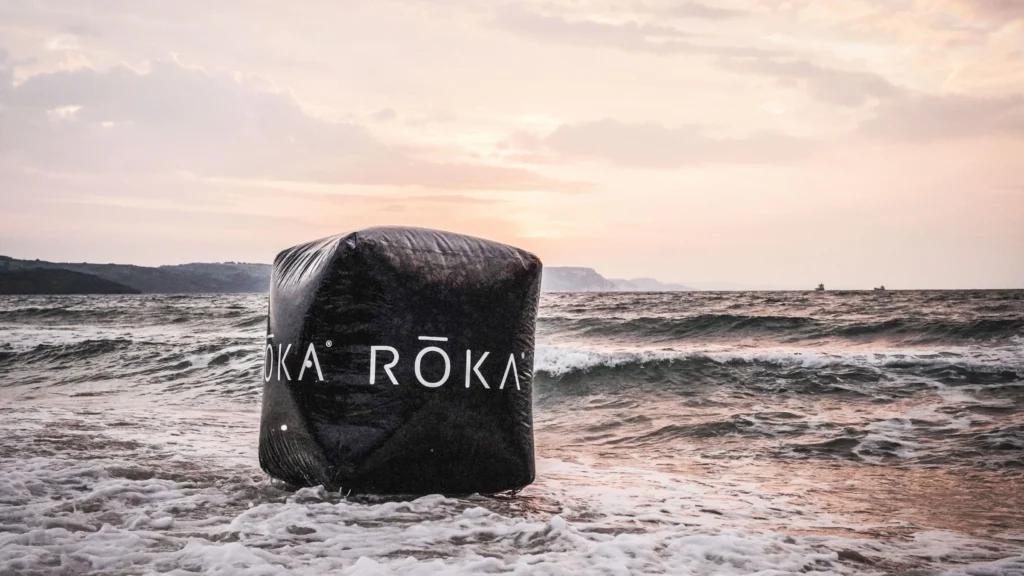
Roka is a good example of why the confusion happens. The brand is best known for its wetsuits, and plenty of pros swim in Roka, Lucy Charles-Barclay among them. Roka does make trisuits too, but its reputation was built in the water, which is exactly why that third commenter said what they said. Both garments matter. They just aren’t interchangeable, and a $ 400 price tag can apply to either, depending on the tier.
What makes a great trisuit
Four things separate a suit you forget about from one you spend eight hours cursing.
- The chamois. Triathlon pads are deliberately thinner than cycling pads. They have to dry quickly after the swim and feel invisible on the run, so what you want is density and clever placement, not a thick cushion. For full-distance racing, a slim dual-density pad in the 6-8mm range is the sweet spot. For sprints and Olympic distance, you can go thinner or even pad-free.
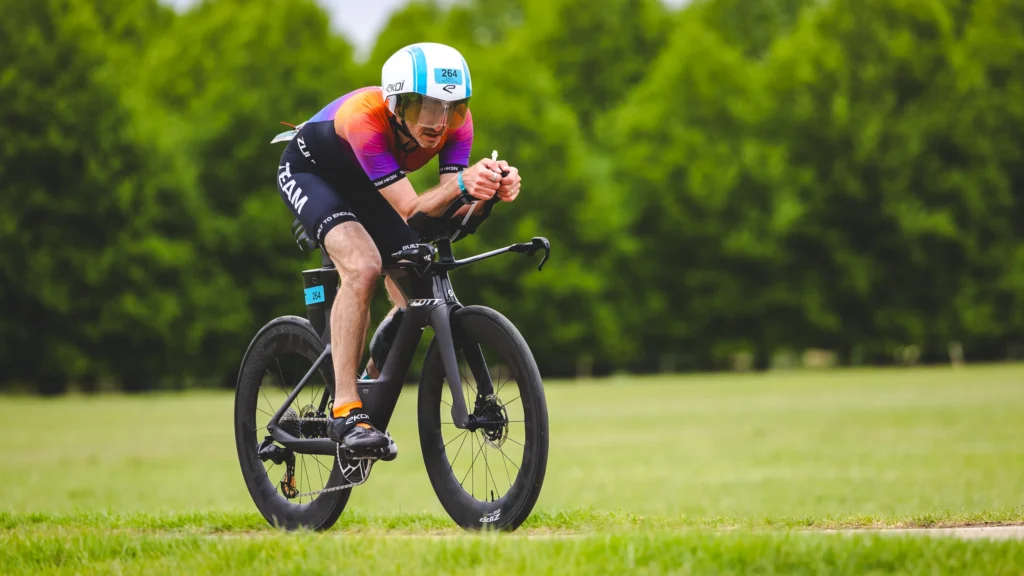
- Fabric and aero. Because trisuits are not governed by cycling’s UCI rulebook, brands can use textured, drag-reducing fabrics that would be banned on a time-trial skinsuit. Wind-tunnel testing is now standard at the likes of Zone3, Castelli and HUUB, and the right fabric can save real watts at race pace.
- Fit. A suit that flaps in the wind is slow, and a suit that is too tight to run in is worse. The best ones sit like a second skin without restricting your stroke or folding you in half on the run.
- Pockets and practicality. Fuelling wins long races, so you want rear pockets that hold gels without bouncing. Sleeved suits tend to be more aero and add sun protection. Sleeveless suits run cooler and free up the shoulders, which is handy on a hot day.
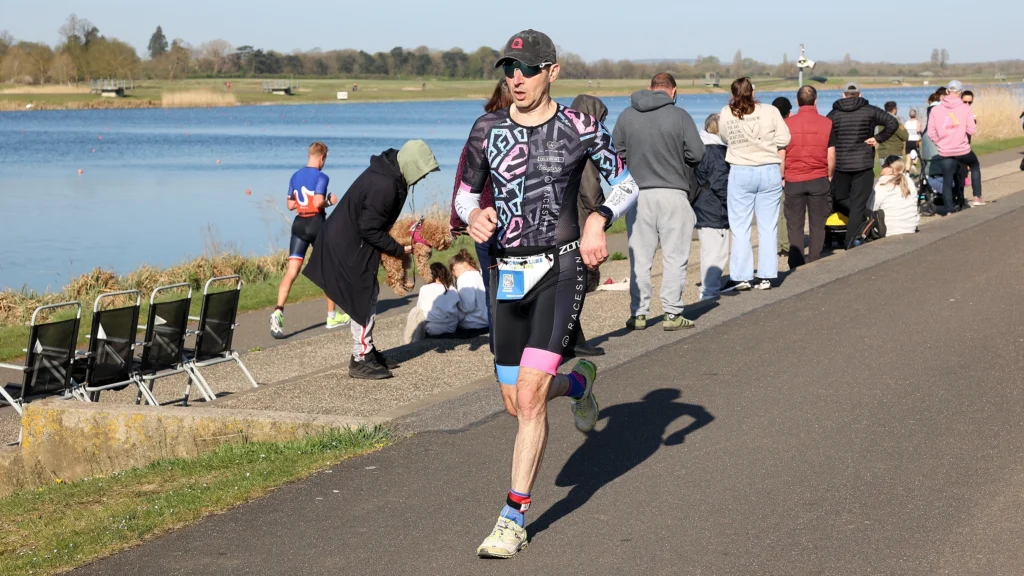
As a plant-based age-grouper coached by Nathalie Lawrence and racing with Berkshire Tri Squad, I have learned that fit trumps every spec sheet. A cheaper suit that fits you is faster than an expensive one that does not.
What makes a great wetsuit
Since the Reddit thread muddled the two, here is the short version on neoprene. A great triathlon wetsuit gives you buoyancy where you need it, usually more in the hips and core to lift your legs, and flexibility where you swim, meaning thin, supple panels of around 1.5 to 2mm through the shoulders. Race rules cap thickness at 5mm. Yamamoto neoprene grades such as 39, 40 and 44 crop up on the premium suits, along with coatings that reduce drag and quick-release ankle panels that speed up your strip in T1. Fit is everything again. A suit that lets water in at the neck will undo all that clever rubber.
The big wetsuit names are Roka, Orca, Zone3, HUUB, 2XU, Blueseventy and Sailfish. Prices run from around 250 to 300 pounds for a solid entry-level suit up to nearly 1,000 for the top Roka Maverick.
The biggest trisuit brands in the world
Triathlon apparel is a genuinely global business, and most major markets have developed their own brands. Here is a rough map.
- United States. Zoot is one of the original triathlon brands, going back more than 40 years. TYR, De Soto and women’s specialist Coeur also come from the States.
- United Kingdom. HUUB has made a name for aero with its Anemoi suit, developed with aerodynamicist Dan Bigham. Zone3, Sundried, Tri-Fit and women’s brand Betty Designs are all British, with Scotland’s Endura bringing serious wind-tunnel pedigree.
- Germany. Ryzon has become the premium darling, co-developing suits with Lucy Charles-Barclay and, previously, Jan Frodeno. Sailfish is the other big German name, mostly on the swim side.
- Norway. Trimtex and its high-performance sub-brand Surpas came to fame on the back of Kristian Blummenfelt’s now-infamous see-through skinsuit at the Tokyo Olympics.
- Denmark. Fusion punches well above its weight, with a roster of long-course heavyweights and its own wind tunnel.
- Australia and Italy. 2XU built its reputation on compression and remains a default first suit for thousands of triathletes. Castelli brings decades of Italian cycling heritage to its PR Speed suit.
- Switzerland. On, better known for running shoes, has muscled into triathlon with a serious and growing athlete roster.
How much does a trisuit cost?
Back to that Reddit claim. Is 400 dollars right? Sort of, but it describes the top of the market, not the middle.
The average trisuit costs around 230 dollars, or roughly 180 pounds, with the range running from about 75 to 475 dollars depending on brand, sleeves, and fabric. Break it into tiers, and it looks like this:
- Entry level, around 100 to 180 pounds. Suits like the Tri-Fit Vanguard, 2XU Core and Zoot Core. Perfectly good for your first few seasons.
- Mid range, around 180 to 300 pounds. More aero fabric, better pads, race-ready fit.
- Premium and pro race suits, around 300 to 550 pounds. Think 2XU Light Speed React, Ryzon’s flagship Verge, or the Tri-Fit Vortex at 549 dollars.
- The halo tier. Ryzon’s top suit lists at 600 euros, and the Surpas Insane worn by the Norwegians has been sold for around 800 pounds.
Prices are broadly similar across the major markets once you account for currency and import, so a mid-range suit costs roughly the same whether you buy in dollars, pounds or euros. The Reddit poster was not wrong that you can spend 400 dollars. They just skipped the part where a genuinely good suit starts much lower. For a fuller look at where the money really goes, Triathlete has a good breakdown of what you are paying for.
What trisuit do the pros wear?
Here is the part everyone wants. A quick note first: kit deals shift constantly, so treat this as a snapshot rather than gospel. Kat Matthews moved to Swiss brand On in February 2026, and Patrick Lange has raced in Fusion, then Castelli, and now co-designs his own suit with Ekoi. This stuff changes fast.
The table below lists suits I have been able to confirm from brand announcements and athlete profiles.
| Athlete | Nation | Focus | Trisuit brand |
|---|---|---|---|
| Lucy Charles-Barclay | GB | Long course | Ryzon |
| Kat Matthews | GB | Long course | On (from 2026) |
| Anne Haug | GER | Long course | HUUB |
| Kristian Blummenfelt | NOR | All distances | Surpas |
| Gustav Iden | NOR | Long course | Surpas |
| Sam Laidlow | FRA | Long course | Fusion |
| Magnus Ditlev | DEN | Long course | Fusion |
| Daniel Bækkegård | DEN | Long course | Fusion |
| Patrick Lange | GER | Long course | Ekoi |
| Vincent Luis | FRA | Short & long course | Tactic |
A couple of patterns jump out. Fusion has quietly cornered a big slice of the men’s long-course podium. The Norwegian super-team races in Surpas, the brand that grew out of that Tokyo skinsuit. Ryzon’s tie-up with Lucy Charles-Barclay has turned a relatively young German brand into a genuine premium player. And the pros will happily bend a suit to their needs: Patrick Lange’s Ekoi Racing Kona Pro has a front “ice pocket” so he can stuff it with ice on the run and drop his core temperature in the Hawaiian heat. If you fancy the same suits without the sponsorship, 220 Triathlon’s piece on the 800 pound trisuit is a good reality check.
Which trisuit should you actually buy?
You do not need an £800 suit to finish an Ironman, and you certainly do not need one to podium your age group. The pros race in a halo kit because a few watts decide prize money. For the rest of us, a well-fitting mid-range suit does 95 per cent of the job for a third of the price.
Buy for your distance, prioritise fit over marketing claims, and if you have been racing in the same suit for four or five seasons, it is probably worth an upgrade because the fabric technology has genuinely moved on. For more on kitting yourself out sensibly, have a read of my racing kit and, if you are just starting out, the ultimate guide to triathlon jargon. And if you want independent testing before you spend, Cycling Weekly’s tested roundup is a solid place to start.
Leave a Comment
You must be logged in to post a comment.