
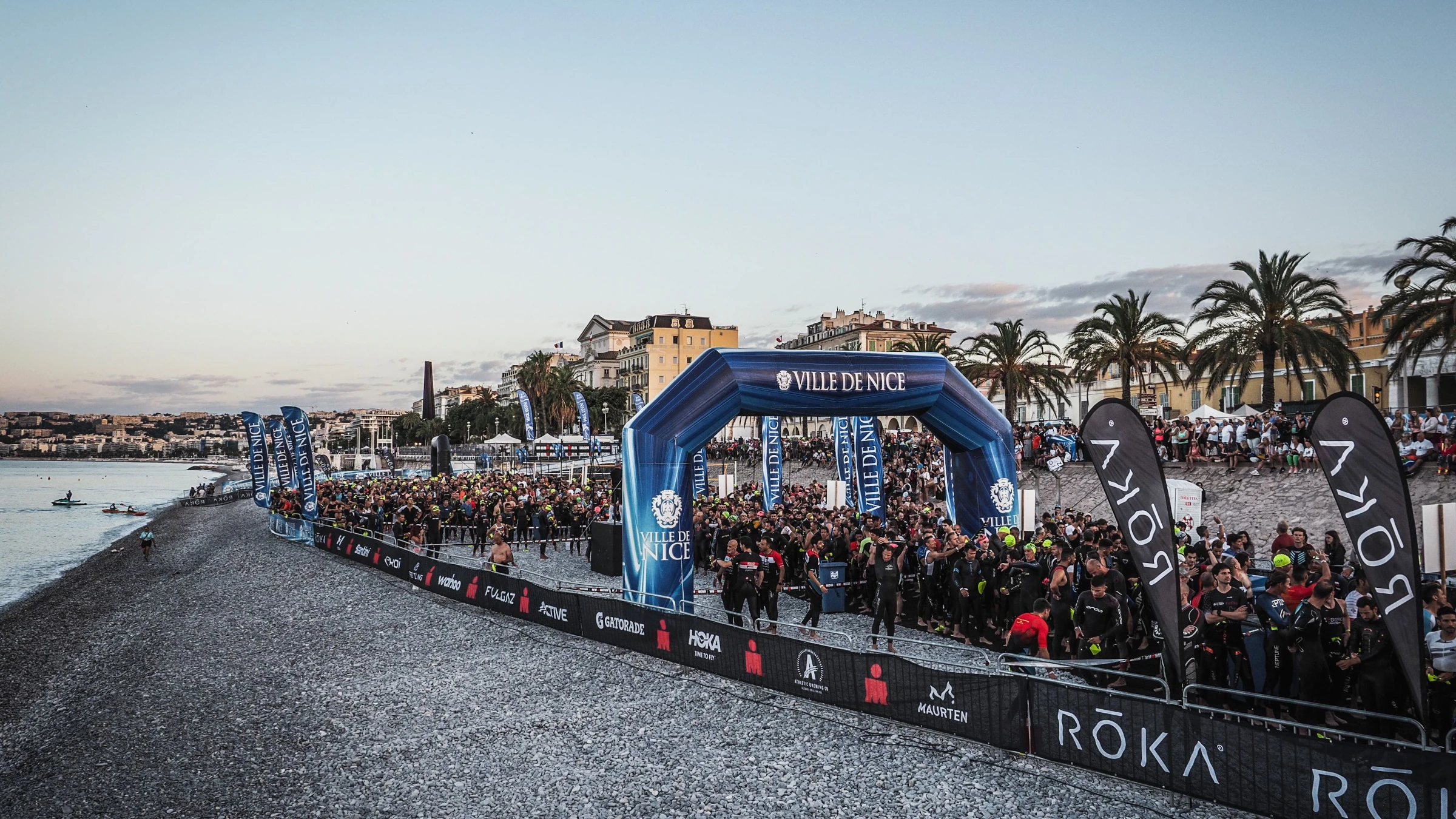
Standing at the water’s edge at my first Ironman, surrounded by hundreds of athletes in wetsuits, I felt a mixture of excitement and sheer terror. After months of training, countless early mornings, and more pasta than I care to admit — this was it.
I was lucky. I had a coach in my corner and a club full of teammates who’d been there before me. The advice was flowing. And yet, standing on that start line, there were still things nobody had mentioned.
Looking back after completing five full-distance races, these are the insights that actually made a difference. Not the obvious stuff about consistent training or sorting your nutrition, you’ll find that everywhere. The real things. The ones I had to learn the hard way, even with people in my corner.
The Power of Race Day Experience
Here’s something I discovered: your first IronMan isn’t just about the physical preparation. It’s about learning to manage your emotions and expectations on the biggest racing day of your life.
I spent months obsessing over my swim times, bike power zones, and marathon pace. What I hadn’t prepared for was the overwhelming sensation of being part of something so much bigger than myself. The atmosphere, the volunteers, the sheer scale of the event, it’s intoxicating.
My advice? Soak it all in, but don’t let it derail your race strategy. Stick to your race day plan and trust the process that got you there.
Your Fueling Strategy Will Make or Break You
I cannot stress this enough: practice your race day nutrition religiously in training. Not just the products, but the timing, the quantities, everything.
I thought I had it sorted. Veloforte gels, bars, electrolytes, and a proper plan on paper. And it held up well through the swim and the bike. Then the marathon happened. Around mile 18, my stomach decided it was done with gels entirely. Full revolt. I ended up grabbing oranges, bananas, and frankly, an embarrassing amount of Coca-Cola from the aid stations just to keep moving.
It worked, barely, but it wasn’t the plan.
The lesson isn’t just “pick good products.” It’s that your gut needs training as much as your legs do. Practice your exact strategy during your longest sessions: the same gels, the same timing, the same quantities you’re planning to use on race day. Aim for 200–300 calories per hour on the bike, dropping to 150–200 on the run. And have a backup plan for when your stomach starts making its own decisions, because at 140.6 miles, it just might.
The Mental Game Changes Everything
Physical preparation gets you to the start line. Mental strength gets you to the finish.
Around hour 8 or 9, when everything hurts, and you’ve still got miles to go, your mind becomes your most powerful tool. Those dark moments are inevitable — your legs will scream, your energy will crater, and for a fleeting moment you’ll wonder what on earth possessed you to sign up for this.
Have a strategy ready before you get there.
For me, two things cut through the noise every single time. First: my family. When it gets really hard, I think about them — and somehow the legs keep moving. Second: the entry fee. You’ve paid a small fortune to be here, travelled to get here, and given up weekends of training to get here. You are not DNF-ing after all that.
Break the race into manageable chunks. Don’t think about the finish line when you’re at mile 18; think about the next aid station. Then the one after that. String enough of those together and suddenly you’re a finisher.
Don’t Underestimate the Swim Exit
This might sound trivial, but the swim-to-bike transition can be brutal if you’re not prepared. After swimming for potentially over an hour, your legs feel like jelly when you first stand up.
Practice running in your wetsuit during training. Get used to the sensation of blood rushing back to your legs. Take those first few steps slowly; there’s no prize for sprinting out of the water only to face-plant in transition.
The full IronMan distance is unforgiving when it comes to early mistakes that compound over 140.6 miles.
Gear Matters, But Not As Much As You Think
I spent countless hours researching the perfect race setup, the fastest wheels, the most aerodynamic position, and the lightest running shoes. While good equipment certainly helps, it won’t compensate for inadequate preparation.
Focus on comfort and reliability over marginal gains. That new piece of kit you’ve been eyeing? If you haven’t tested it extensively in training, leave it at home. Race day is not the time for experiments.
Your best friend on race day is the equipment you know intimately and trust completely.
The Finish Line Experience
Nothing – and I mean nothing – prepares you for crossing that IronMan finish line. The emotions, the sense of accomplishment, the pure exhaustion mixed with euphoria. It’s transformative.
But here’s what I wish someone had told me: have a plan for immediately after. Designate someone to meet you, bring warm clothes, and don’t make any major decisions for at least 24 hours. The post-race high is real, and I’ve seen people sign up for their next race before they’ve even collected their medal!
Trust Your Training
The weeks leading up to race day, doubt creeps in. Did I train enough? Should I have done more long rides? What if I’m not ready?
Here’s the truth: if you’ve followed a structured training plan, completed your key sessions, and stayed healthy, you’re ready. The fundamentals of triathlon don’t change just because it’s race day.
Trust in the months of preparation. Your body knows what to do.
IronMan changed my life in ways I never expected. It taught me about resilience, showed me what I’m capable of, and connected me with an incredible community of like-minded people.
Your first IronMan will be tough, probably tougher than you imagine. But it will also be one of the most rewarding experiences of your life. Embrace the challenge, trust your preparation, and remember, anything is possible.
The finish line is waiting.

Leave a Comment
You must be logged in to post a comment.