
Triathlon Transition Training: How to Master T1 and T2 (With Drills)
Standing in transition at my first sprint triathlon, I watched seasoned athletes strip off wetsuits in what seemed like seconds while I fumbled with my zip pull for nearly a minute. That’s when I realised transitions aren’t just about running between disciplines. They’re a skill that needs dedicated practice.
Transitions can make or break your race day performance. I’ve seen athletes lose five minutes or more in transition zones, whilst others glide through like ninjas. The good news? With proper training, you can dramatically improve your T1 and T2 times.
Why Transition Training Matters
Transitions are often called the fourth discipline for good reason. In shorter races, especially, efficient transitions can mean the difference between age group podium positions. Even in longer events, smooth transitions help maintain momentum and reduce stress levels.
Research backs this up. A 2019 review in Sports concluded that efficient transitions between cycling and running are considered an indicator of overall triathlon performance, and their importance has only grown with the rise of short-course and mixed relay formats (Walsh, 2019).
Beyond the time savings, practising transitions builds confidence. When you know exactly what to do and where everything is, you stay calmer and more focused throughout the entire race.
Setting Up Your Transition Area
Your transition setup is your pit stop strategy. Everything needs a designated place, and you need to know that layout intimately.
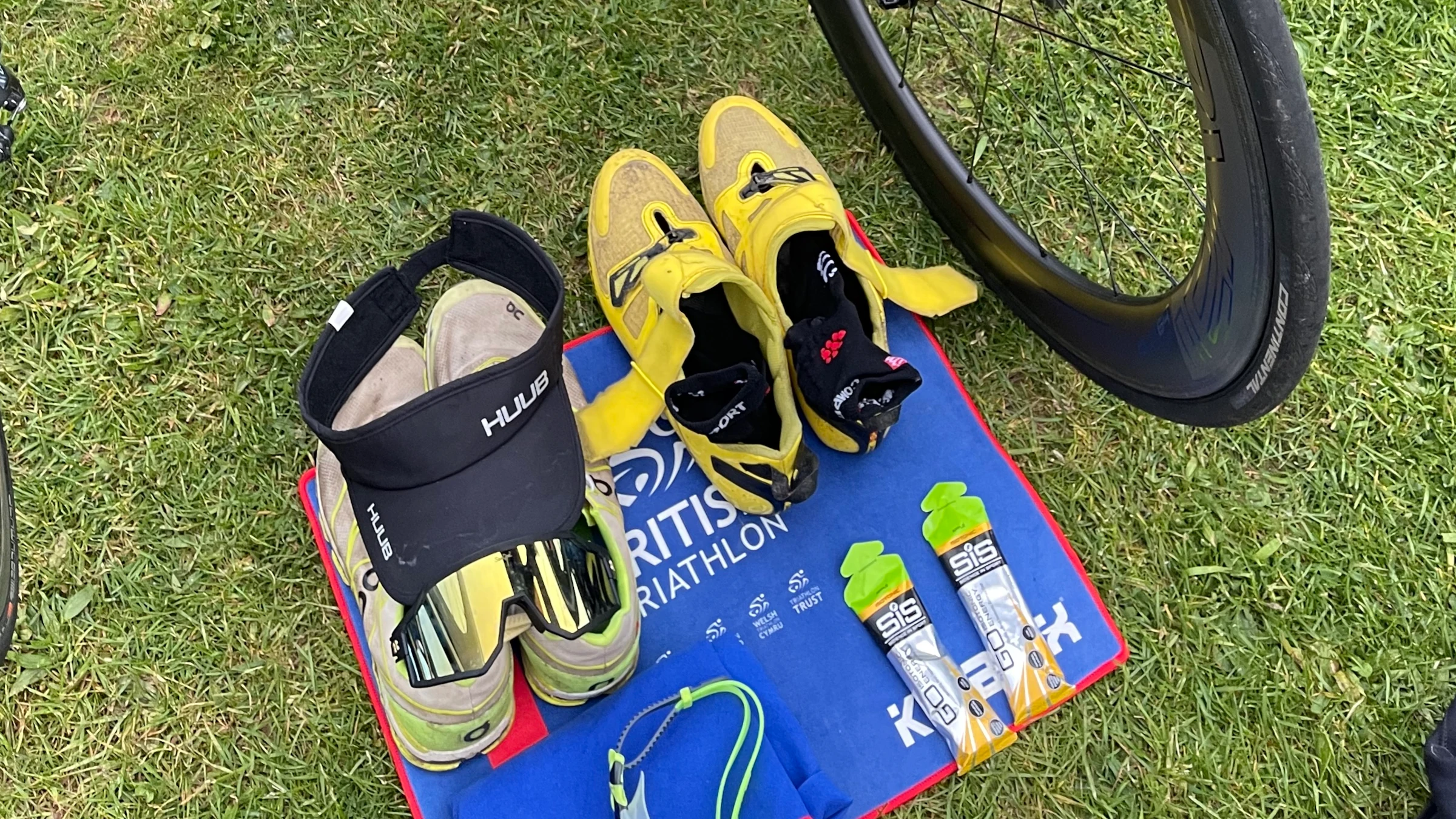
Start with a bright towel. This becomes your home base. Lay out your gear in the order you’ll need it, not the order it looks neat. For T1, that means bike shoes, helmet, sunglasses, and nutrition easily accessible. Some athletes prefer to clip their shoes into pedals and mount whilst moving, but practise this thoroughly first.
For T2, position your running shoes with the tongue pulled back and laces loosened. Roll your socks down if you’re using them, or better yet, train to run without socks for shorter distances. Have your race number and cap ready to grab.
T1 Transition Training Drills
The swim-to-bike transition starts before you enter T1. As you approach the swim exit, begin your mental shift to cycling mode. This is where your race day preparation pays dividends.
Practice wetsuit removal until it becomes second nature. Start by learning the proper technique. Pull the zip cord all the way down, work the suit off your shoulders, then peel it down to your waist as you run to your bike. The legs can be trickier, so practise sitting on the ground and rolling the suit off your ankles.
Create T1 drill sessions at home. Set up your transition area in your garden or garage, put on your wetsuit, and time yourself through the entire sequence. Start slowly, focusing on smooth movements rather than speed.
Work on your bike mounting technique. Whether you prefer the traditional method or the more advanced flying mount, practise regularly. I spent weeks perfecting my mount after watching faster athletes sail past whilst I was still clipping in.
T2 Transition Training Drills
The bike-to-run transition requires different skills but equal attention to detail. Your legs will feel heavy and strange – this is completely normal and why brick training exists.
Practise your dismount and bike racking technique. Learn to gauge your dismount point perfectly so you don’t have to carry your bike unnecessarily far. In races, that extra distance adds up.
Develop your shoe change technique. Some athletes prefer elastic laces for speed, whilst others stick with traditional laces but keep them very loose. Experiment to find what works best for your feet and race distances.
Create muscle memory through repetition. Set up T2 scenarios and practise the entire sequence: dismount, rack the bike, remove the helmet, change shoes, grab the race gear, and go. Time yourself, but focus on consistency over pure speed initially.
Plant-Based Quick Energy for Transitions
Transition zones offer opportunities for quick nutrition boosts, especially in longer races. Plant-based options work brilliantly here because they’re easily digestible and provide rapid energy release.
Dates stuffed with a small amount of nut butter provide quick carbohydrates and a touch of healthy fats. They’re easy to chew quickly and don’t require much digestion. Banana pieces work similarly well and are gentler on the stomach.
For hydration, electrolyte solutions help replace what you’ve lost through sweating. Keep transition nutrition simple – this isn’t the time for experimentation.
Mental Preparation and Race Day Execution
Transition success starts with mental preparation. Walk through your transitions multiple times before the race starts. Count the bike racks from the swim entrance to your position. Note landmarks that will help you quickly locate your area.
Visualisation plays a huge role. Before sleep the night before your race, mentally rehearse each transition step. This mental practice reinforces the physical skills you’ve developed.
During the race, stay calm and stick to your practised routine. It’s tempting to rush when you see other athletes flying through transitions, but smooth is fast. Fumbling with gear because you’re hurrying costs more time than moving with purpose.
Common Transition Mistakes to Avoid
Even experienced triathletes make transition errors under race pressure. Forgetting to remove your swim cap before putting on your bike helmet happens more often than you’d think. Practice with your actual race-day gear to avoid these surprises.
Overcomplicating your setup causes problems, too. Every extra item in your transition area is another thing to think about under pressure. Keep it simple and functional.
Another common mistake is neglecting to practise transitions as part of your regular training. Just like you wouldn’t race without training your swim, bike, and run, you shouldn’t race without transition practice.
Building Transition Practice Into Your Training
Make transition practice a regular part of your training routine. Even ten minutes after a swim session, practising wetsuit removal and bike setup pays dividends on race day.
Brick sessions provide perfect opportunities for transition practice. After your bike-run bricks, practise the T2 sequence. Your legs will feel similar to how they do on race day, making the practice more realistic.
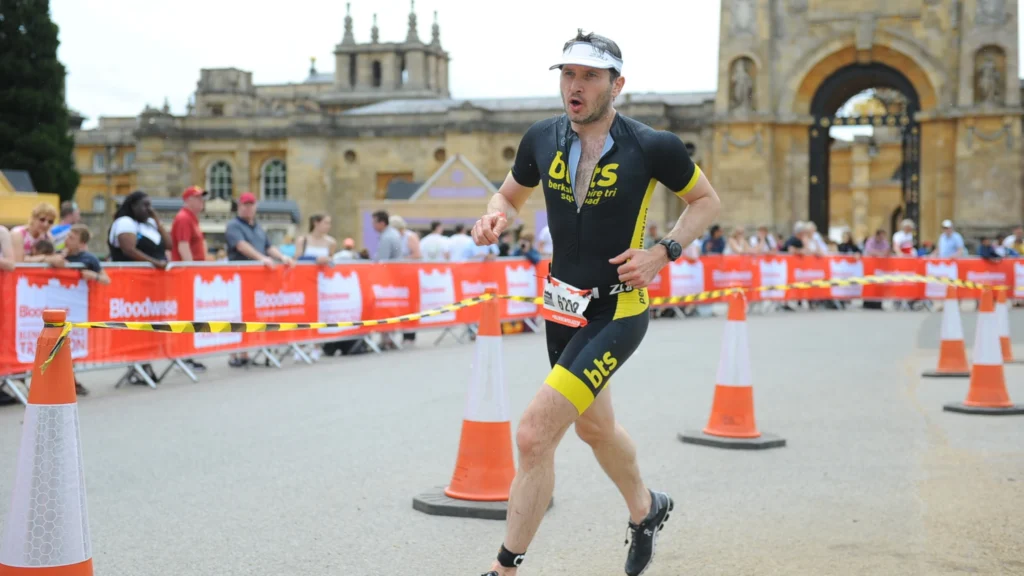
Join group training sessions to practise transitions with others. My experiences with Berkshire Tri Squad showed me how much you can learn by watching other athletes’ techniques and trying different approaches.
Advanced Transition Techniques
Once you’ve mastered the basics, consider advanced techniques like flying mounts and dismounts. These skills require significant practice but can save precious seconds in competitive situations.
Elastic lacing systems, or lock laces, can considerably speed up shoe changes. However, ensure they’re comfortable for your race distance – what works for a sprint might not work for an IRONMAN.
Some athletes prefer to start cycling barefoot and put shoes on while riding. This technique requires extensive practice and isn’t suitable for everyone, but it can be very effective for experienced athletes.
Transitions might not be the most glamorous part of triathlon training, but they’re certainly one of the most rewarding to improve. The satisfaction of executing perfect transitions whilst maintaining race momentum is genuinely thrilling. Start practising these techniques in your next training session – your future racing self will thank you for those extra minutes saved and the confidence gained. Remember, every detail matters when you’re chasing personal bests.


Leave a Comment
You must be logged in to post a comment.