
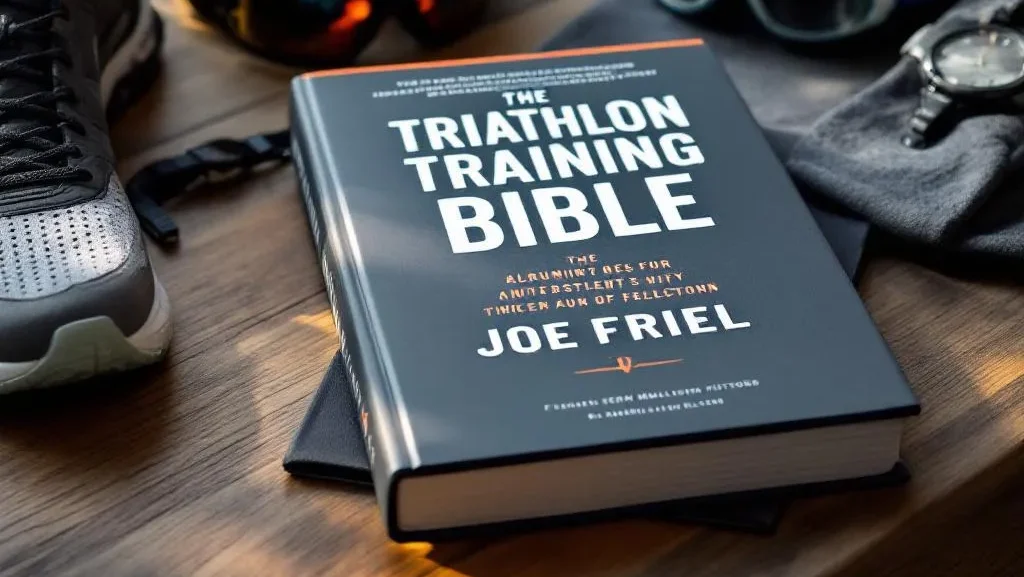
Let me be upfront about something: I no longer plan my own training. I have a coach for that, Nat Lawrence, and honestly, it’s one of the best decisions I’ve made as an age grouper. So why am I reviewing a book that’s essentially a manual for planning your own training?.
Because Joe Friel’s Triathlon Training Bible was the book that got me here. It was a birthday gift from my wife; she’d done her research, and it was highly recommended by my clubmates at Berkshire Tri Squad. I picked it up sceptical, another training book promising to unlock the secrets of triathlon success — but it showed. It fundamentally changed how I think about training, even if I’m now happy to let someone else do the thinking.
Whether you’re a complete beginner trying to make sense of triathlon distances or an experienced athlete who wants to understand the periodisation principles your coach is already using on you, there’s something in here worth your time.
What Makes This Book Different
The Triathlon Training Bible isn’t just another collection of generic training plans. Friel’s systematic approach to periodisation and his emphasis on individualised training sets it apart from the crowd. As an engineer, I particularly appreciate how he breaks down complex training concepts into logical, digestible components.
The book is built around Friel’s Training Stress Score (TSS) methodology, which provides a scientific framework for measuring and planning training load. This isn’t just theoretical; it’s practical advice you can implement immediately, whether you’re using a basic heart rate monitor or a sophisticated power meter.
Strengths of the Training Bible Approach
One of the book’s greatest strengths is its comprehensive coverage of periodisation. Friel explains how to structure your training year around key races, balancing stress and recovery to peak at the right moments. This systematic approach has been invaluable in my journey, helping me prepare for everything from sprint-distance races to full Ironman events.
The physiological foundations are solid, too. Friel does an excellent job explaining concepts like FTP and lactate threshold without getting bogged down in unnecessary scientific jargon. The triathlon terminology is explained clearly, making complex concepts accessible to athletes at all levels.
I particularly value the book’s emphasis on testing and monitoring. Regular fitness assessments aren’t just nice-to-have extras – they’re essential for tracking progress and adjusting training accordingly. The testing protocols Friel outlines have helped me identify weaknesses and monitor improvements across all three disciplines.
Practical Application and Training Plans
The training plans included in the book are well-structured and scalable. Rather than one-size-fits-all approaches, Friel provides frameworks that can be adapted based on your available training time, current fitness level, and target events.
What I find most useful is the book’s approach to skill development alongside fitness building. Too many athletes focus purely on getting fitter while neglecting technique improvements. Friel strikes a good balance, emphasising that becoming a better triathlete requires both physiological adaptations and technical proficiency.
The nutrition guidance, while not as comprehensive as dedicated nutrition books, provides solid fundamentals. The emphasis on periodised nutrition – matching your fuelling strategy to your training phase – is particularly valuable for plant-based athletes like myself who need to be more strategic about meeting energy and recovery needs.
Areas Where It Falls Short
No book is perfect, and the Training Bible has some limitations. The swimming section, while competent, doesn’t match the depth of the cycling and running chapters. If swimming is your limiting factor, you’ll likely need additional resources to supplement Friel’s guidance.
The book also shows its age in some areas. While the core principles remain sound, some of the technology references and training tools mentioned feel dated. Modern training platforms and devices offer capabilities that weren’t available when earlier editions were written.
For beginners, the book can feel overwhelming initially. There’s a lot of information to digest, and it might take several readings to fully grasp all the concepts. Don’t expect to master everything immediately – think of it as a reference you’ll return to repeatedly as you develop as an athlete.
Who Should Read This Book
The Training Bible works best for self-coached athletes or those who want to understand the why behind their coach’s training decisions. If you’re the type of person who likes to know the reasoning behind every workout — not just “do this session” but “here’s what it’s doing to your body” — you’ll find a lot to dig into here.
Experienced athletes looking to break through performance plateaus will find the periodisation concepts particularly useful. The book’s systematic approach to planning and progression can help you spot gaps in your current training that you might otherwise overlook.
Friel’s methodology is rooted in well-established exercise science principles around periodisation and training load management, but he presents them through a practical coaching lens rather than an academic one. This isn’t a textbook — it’s a coaching manual built on decades of working with real athletes, and that shows in how the concepts translate directly to your training diary.
Integration with Modern Training
One of the book’s strengths is how well its principles integrate with modern training platforms and coaching services. Whether you’re using TrainingPeaks, following a structured plan, or working with a coach, understanding Friel’s concepts will enhance your training experience.
The TSS-based approach has become industry standard, used by platforms like TrainingPeaks and adopted by coaches worldwide. Learning these concepts gives you a common language to discuss training with other athletes and professionals.
Final Thoughts
The Triathlon Training Bible isn’t just a good training book; it’s an essential reference that belongs on every serious triathlete’s bookshelf. While it may not answer every training question you’ll ever have, it provides the foundational knowledge needed to make informed decisions about your training.
Yes, newer books and resources are available, but Friel’s systematic approach to training has stood the test of time. The principles outlined here have guided countless athletes to personal bests and podium finishes.
If you’re ready to move beyond generic training plans and take control of your triathlon development, the Training Bible is an excellent investment. Just remember, reading about training and actually applying these concepts are two different things. The real value comes from putting Friel’s guidance into practice, one training cycle at a time.





Leave a Comment
You must be logged in to post a comment.