
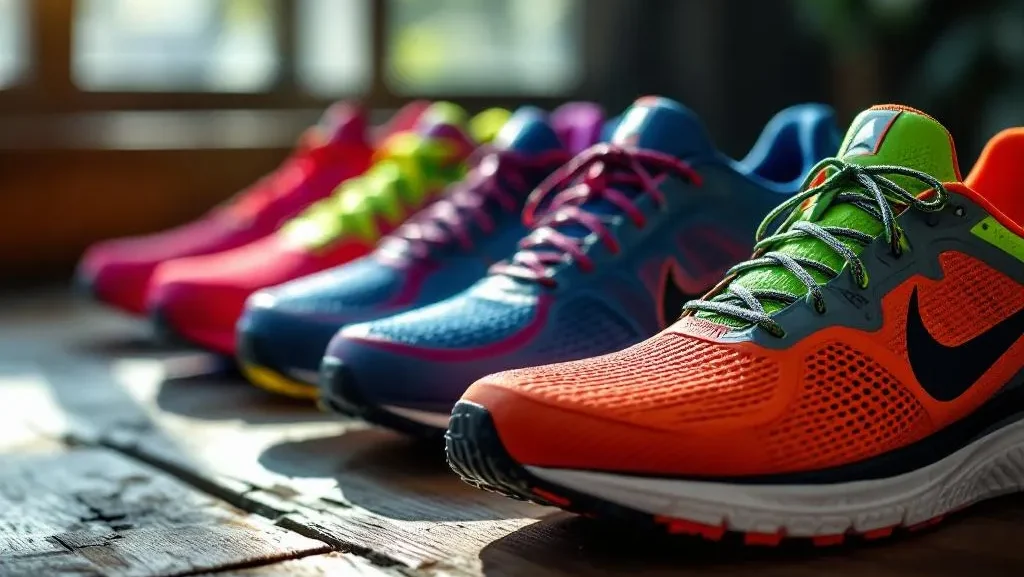
After completing five Ironman distances and over 100 races, I’ve learned that choosing the right triathlon running shoes can make or break your race day performance. Yet somehow, running gear gets far less attention than the latest carbon bike wheels or fancy wetsuits.
Let’s fix that. Here’s everything you need to know about selecting, rotating, and replacing your triathlon running shoes.
When to Replace Your Running Shoes: The Key Indicators
Forget the old 300-500 mile rule. Your shoes are individuals, just like your feet. Instead, look for these telltale signs:
Tread wear patterns tell the story. Flip your shoes over and check the outsole. Excessive wear on one side suggests it’s time for new shoes, or possibly a gait analysis. I rotate between three pairs at any given time, which helps me spot these patterns early.
The compression test is brilliant for checking midsole integrity. Press firmly on the midsole with your thumb. If they don’t bounce back quickly or feel unusually soft, those shoes have lost their cushioning magic.
Don’t ignore your body’s signals either. Unusual aches in your knees, hips, or lower back during or after runs often indicate your shoes aren’t providing adequate support anymore.
Understanding Your Gait for Better Shoe Selection
A proper gait analysis can transform your running shoe selection. Many running shops offer this service, and it’s worth every penny. The analysis reveals whether you’re a heel striker, midfoot striker, or forefoot striker, plus your pronation pattern.
Overpronators need shoes with motion control or stability features. Supinators (less common) benefit from neutral shoes with extra cushioning on the lateral side. Most of us fall into the neutral category, where the world of running shoes opens up considerably.
It’s also worth remembering that triathlon running is unique — you’re coming off the bike with compromised running mechanics, at least initially, which can affect which shoe works best for you on race day.
Choosing the Right Triathlon Running Shoes
Triathlon running shoes need specific features that differ from regular running trainers:
Quick drainage matters enormously. Even if you towel off in T2, your feet might still be damp. Shoes with mesh uppers and drainage ports prevent that squishy, blister-inducing experience.
Consider elastic laces or lock laces for faster transitions. I’ve shaved precious seconds in T2 by eliminating the need to tie traditional laces. Some triathletes go sockless, which requires shoes with smooth internal seams to prevent hot spots.
Cushioning balance is crucial for the bike-to-run transition. Your legs will feel like concrete blocks at first, so adequate midsole cushioning helps you ease into your running rhythm. However, avoid excessive cushioning that might feel unstable after hours on the bike.
The Art of Shoe Rotation
Running in the same shoes every day is like eating the same meal over and over. It works, but variety brings benefits.
I maintain three pairs in rotation: a lightweight pair for intervals and shorter runs, a max-cushioned pair for long runs and recovery days, and my designated race shoes. This rotation extends each pair’s lifespan while reducing injury risk by varying the stress patterns on your feet and legs.
Race shoe strategy deserves special mention. Never, ever wear brand-new shoes on race day. I get my race shoes at least six weeks before a big event, breaking them in gradually. They become my tempo run and brick workout shoes until race day.
Plant-Based and Vegan Running Shoe Options
My plant-based approach is purely about nutrition — I’ll be honest, I don’t lose sleep over whether my shoes are vegan. But if it matters to you, the good news is the market has moved significantly in this direction, and you won’t be sacrificing performance to make an ethical choice.
The main things to look for: synthetic uppers (rather than leather linings), and vegan-certified adhesives — some brands still use animal-derived glues, though this is increasingly rare as synthetic alternatives are stronger anyway.
Several major brands are worth knowing about. Brooks commits to 100% vegan materials, dyes, and glues across the vast majority of their range, with a small number of exceptions containing full-grain leather — check the specific model before buying. Mizuno’s entire running footwear range is now confirmed 100% vegan. Saucony’s Endorphin series is also fully vegan and a popular choice among triathletes.
If you want to go further, Hylo Athletics launched in 2020 and makes shoes from plant-based biodegradable polymers, recycled materials, and natural rubber — they became a certified B Corporation in 2021. A niche choice, but worth knowing about.
The performance is there regardless of which route you go. A vegan shoe won’t hold you back on race day.
Fitting Your Triathlon Running Shoes Properly
Shop for shoes in the afternoon when your feet are naturally more swollen, similar to how they’ll feel during a race. Your feet swell during long training sessions and races, so that afternoon fit prevents shoes from becoming too tight when it matters most.
Allow thumb-width space between your longest toe and the shoe’s front. In triathlons, this extra room accommodates swelling and prevents black toenails during the marathon portion.
Don’t assume your size remains constant. I’ve gone up half a size since starting serious triathlon training. The repetitive impact and increased training volume can actually lengthen your feet slightly over time.
Breaking In Your New Triathlon Shoes
Even the most comfortable shoes need proper breaking in. Start with short, easy runs and gradually increase distance and intensity.
Pay attention to any hot spots or pressure points during these initial runs. Small issues become major problems during long races. I use the first few runs to identify any potential problems and address them with different lacing techniques or insoles if needed. Gradually transitioning into new shoes, rather than switching overnight, gives your feet and legs time to adapt — and is generally considered best practice by most running coaches and physios.
Maintaining Your Investment
Proper care considerably extends your shoes’ lifespan. Remove them immediately after runs, especially if they’re wet. Stuff them with newspaper or use shoe trees to maintain shape while drying.
Never put running shoes in the washing machine or dryer. The heat damages the midsole compounds and adhesives. Instead, clean them with mild soap and water, focusing on removing salt deposits from sweat.
Rotate daily if possible. Shoes need 24-48 hours to fully dry and for the midsole to decompress between runs. This rest period significantly extends their useful life.
When Price Meets Performance
Expensive doesn’t always mean better for your specific needs. I’ve had fantastic races in mid-range shoes that suited my gait perfectly, and disappointing experiences in premium models that didn’t match my running style.
Focus on fit and function over flashy features. That said, don’t go too cheap on shoes if you’re training seriously. Your feet take enormous punishment during triathlon training, and quality shoes are injury prevention insurance.
Consider last season’s models for better value. Getting discounts on proven shoe models makes financial sense, especially when building your rotation collection.
The Bottom Line on Triathlon Running Shoes
Your running shoes are the foundation of every training session and race. They deserve the same attention you give to bike fitting or swim stroke analysis.
Replace them based on wear indicators, not arbitrary mileage numbers. Choose models that complement your gait and triathlon-specific needs. Rotate between multiple pairs to extend lifespan and reduce injury risk.
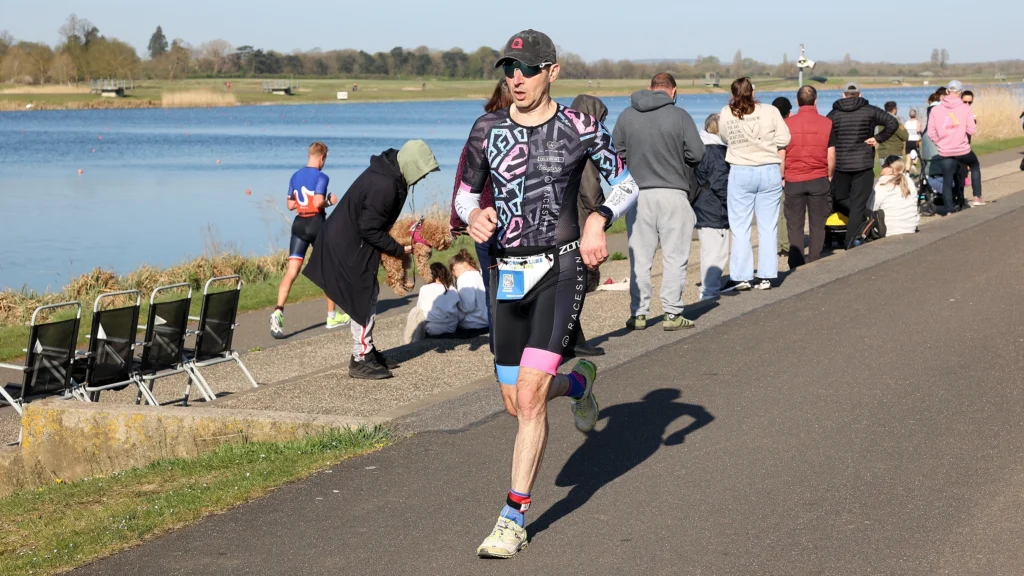
Most importantly, never compromise on fit for fashion or features you don’t need. The best triathlon running shoe is the one that feels comfortable after 10km of running off the bike, keeps your feet happy through a marathon, and gets you to the finish line with a smile.
Your feet carry you through every step of this incredible sport. Treat them with the respect they deserve, and they’ll reward you with years of happy running.



Leave a Comment
You must be logged in to post a comment.