

Triathlon Running Injury Prevention: Build Resilient Legs
Up until being hit by a car, injury had passed me by entirely. Lucky, I know. A bit of stretching — less than I should — and in recent years, thanks to Nathalie, a lot more structured stretch and conditioning work, keeping things intact.
Triathlon running injury prevention focuses on strengthening weak links, managing training load progressively, and addressing biomechanical issues before they become problems. The key lies in treating your legs as the endurance machines they need to be, not just hoping they’ll hold up as mileage increases.
Why Triathletes Face Unique Running Injury Risks
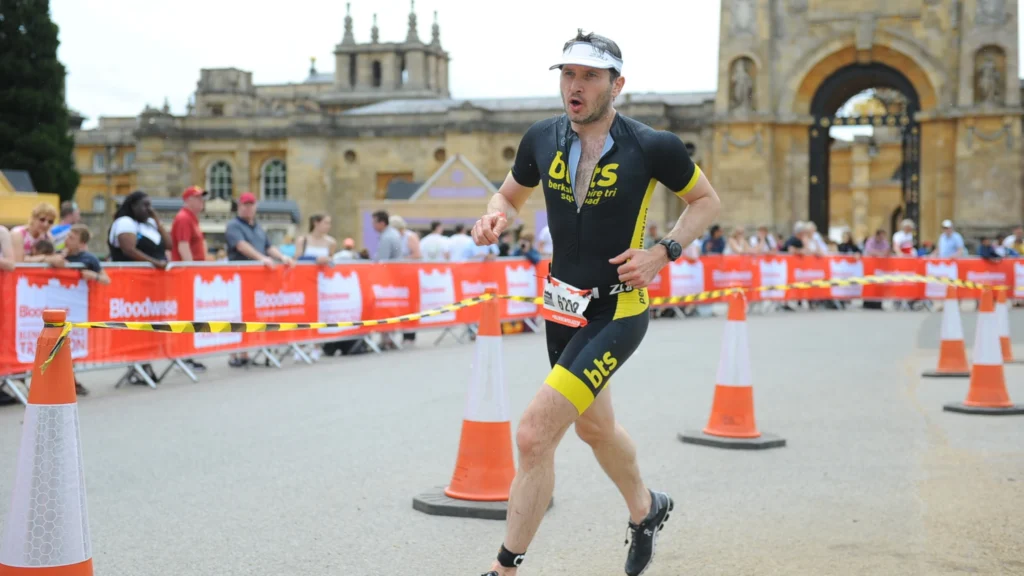
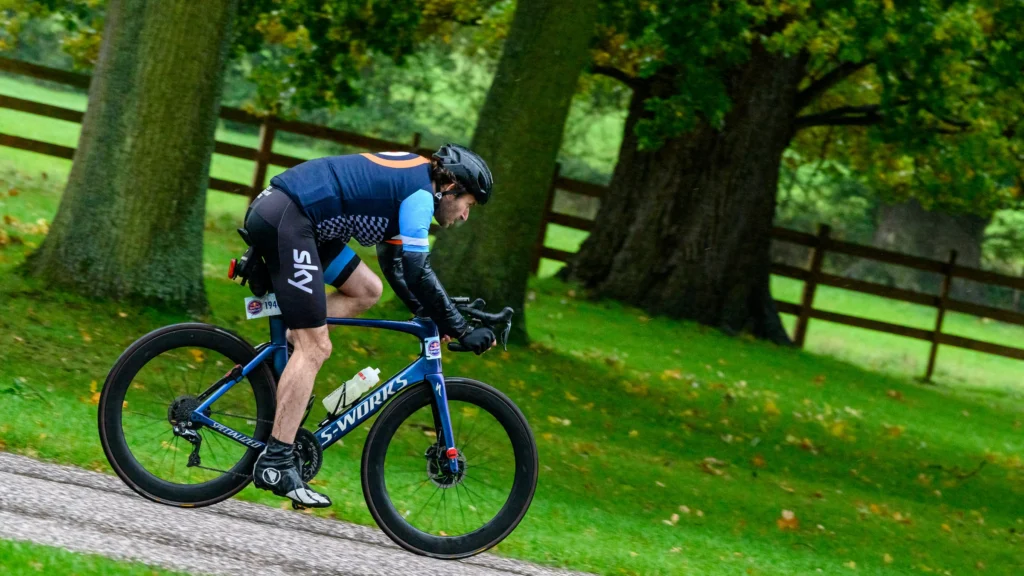
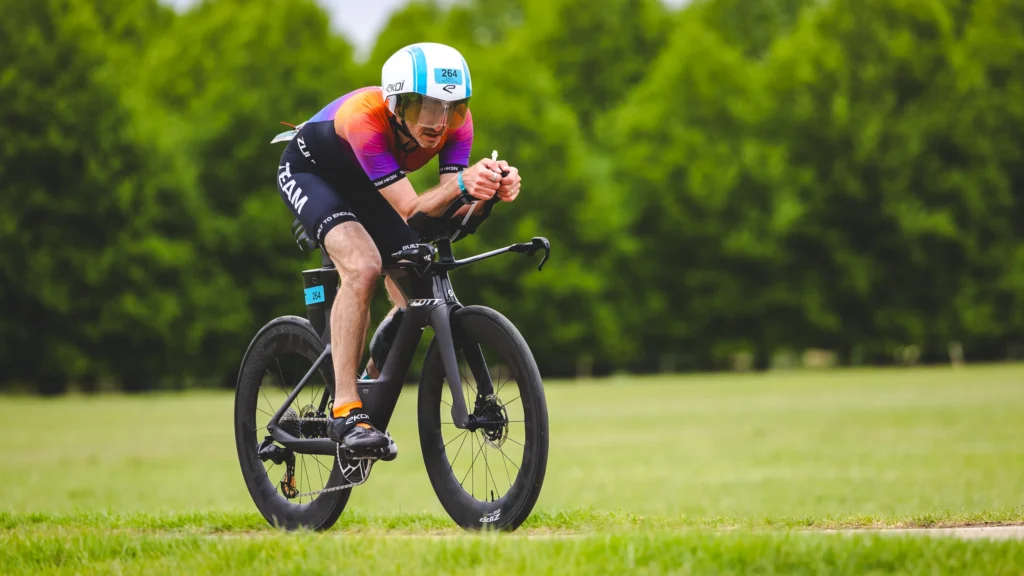
Running as a triathlete presents challenges that pure runners rarely face. After spending hours in the aero position during long rides, your hip flexors tighten, your glutes switch off, and your running form suffers. I’ve noticed this particularly after big bike sessions. That first kilometre off the bike feels clunky and awkward.
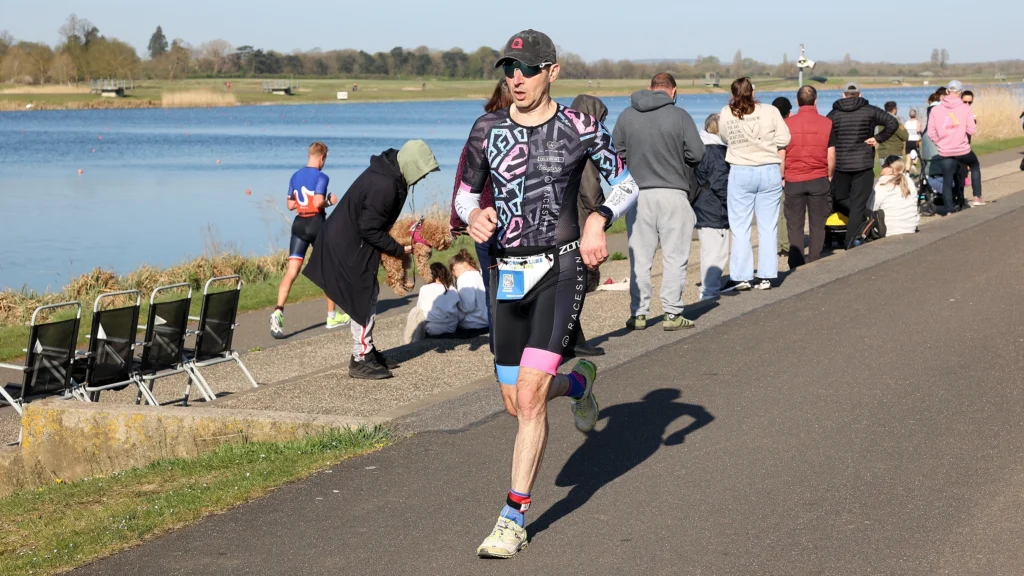
The cumulative fatigue from swimming and cycling also means we’re often running on pre-fatigued legs. During my buildup to long-distance events, those brick sessions really highlighted how different running feels when your legs are already tired from 90 minutes on the bike.
Training volume adds another layer of complexity. Between three disciplines, recovery time becomes precious, and it’s tempting to push through minor niggles rather than address them properly. This combination of altered biomechanics, pre-fatigue, and high training loads creates the perfect storm for running injuries.
The Foundation: Progressive Training Load Management
The 10% rule gets thrown around frequently, but research published in the British Journal of Sports Medicine shows that acute spikes in training load, rather than absolute volume, predict injury risk. My coach tracks my weekly running volume religiously, ensuring any increases feel manageable rather than shocking to my system.
Smart periodisation means planning your hardest running blocks when cycling and swimming loads are moderate. During base season, I might run five times per week, but as bike volume ramps up for long course preparation, I’ll drop to three quality run sessions rather than compromise on intensity or form.
Recovery weeks aren’t optional – they’re when adaptation actually happens. Every fourth week, my running volume decreases by 25-30% to use the extra time for mobility work and address any minor issues before they escalate. This approach has kept me consistently healthy through multiple IronMan buildups.
Bulletproofing Your Kinetic Chain
Running injuries rarely happen in isolation. They’re usually the result of weakness or dysfunction elsewhere in the kinetic chain. Hip stability, in particular, controls everything downstream. When my glutes aren’t firing properly after long bike sessions, my knees and calves take the brunt of the impact.
Single-leg exercises form the backbone of my injury prevention routine. Bulgarian split squats, single-leg deadlifts, and lateral lunges mirror the unilateral demands of running whilst highlighting imbalances early. I try to perform these exercises twice weekly, focusing on control and stability rather than just loading up weight.
Calf strength often gets overlooked until it’s too late. It is recommended to include calf raises two to three times a week. I try to include it as part of my strength routine — both straight-leg and bent-knee variations to target the gastrocnemius and soleus, respectively. Starting with bodyweight only, I progressed to single-leg versions once I could complete 25 perfect reps on both legs.
Core stability ties everything together, but forget endless planks. Dynamic exercises like bird dogs, dead bugs, and Pallof presses teach your core to stabilise whilst your limbs move, exactly what happens during running. Post-workout yoga stretches complement this strength work beautifully, addressing both mobility and stability simultaneously.
Smart Surface and Terrain Periodisation
Varying your running surfaces isn’t just about mental stimulation. It’s injury prevention gold. Road running provides consistency for pacing work, but the repetitive stress on the same muscles in the same plane increases the risk of overuse injury. I aim for 60% road, 30% trail, and 10% track across my weekly running.
Trail running forces constant micro-adjustments, strengthening stabilising muscles and improving proprioception. Those uneven surfaces that initially felt challenging become your secret weapon against injury. Start with familiar trails during easy runs, gradually progressing to more technical terrain as confidence builds.
Track sessions should be earned through consistent base training. That perfect surface is unforgiving – any biomechanical issues get amplified at speed. I never jump straight into track work after a break; it takes 4-6 weeks of progressive running to prepare my legs for the demands of interval training on the track.
The Recovery Equation: Sleep, Nutrition, and Active Rest
Recovery isn’t passive. It’s an active process that requires the same attention as your training sessions. Sleep quality directly impacts tissue repair and hormone production. I prioritise 7-8 hours nightly, using blackout curtains and keeping my bedroom cool to optimise sleep architecture.
Plant-based nutrition offers powerful anti-inflammatory benefits that support recovery. Tart cherries, beetroot, and high-quality protein form the cornerstone of my recovery nutrition strategy. The polyphenols in these foods help reduce exercise-induced inflammation whilst supporting muscle protein synthesis.
Active recovery sessions keep blood flowing without adding training stress. Easy swims, gentle bike rides, or even brisk walks all count. The key is to move at an intensity where conversation feels effortless. If you’re breathing hard, you’re going too hard for recovery.
Hydration impacts everything from joint lubrication to waste product removal. Maintaining consistent daily water intake becomes even more crucial during heavy training blocks when inflammation and metabolic demands increase.
Early Warning Systems: Listen to Your Body
Your body whispers before it shouts, but we need to tune in to hear those whispers. I use a simple 1-10 scale each morning to rate energy, motivation, and any niggling pains. Scores below 7 trigger modified training or complete rest days. No exceptions. But very rare.
Running form changes often signal impending issues. If your cadence drops significantly or you find yourself overstriding, your body is compensating for fatigue or dysfunction somewhere. You can film yourself running monthly, comparing footage to identify gradual changes that might indicate developing problems. I usually film myself for Instagram reels.
Heart rate variability provides objective feedback about recovery status. Whilst wrist-based devices aren’t perfectly accurate, consistent trends matter more than absolute numbers. Three consecutive days of suppressed HRV suggest accumulated fatigue requiring attention.
Pain that changes your gait or persists beyond the first few minutes of running isn’t normal training discomfort; it’s your body requesting help. The old “run through it” mentality has ended more athletic careers than it’s saved. Better to miss three days of training than three months recovering from a preventable injury.
Building Your Personal Prevention Protocol
Injury prevention isn’t one-size-fits-all, but certain principles apply universally. Start by identifying your weak links through movement screening or working with a physiotherapist familiar with triathlon demands. Common issues include hip flexor tightness, glute weakness, and limited ankle mobility.
Create a minimum-effective-dose routine you’ll actually follow. A daily 10-minute protocol could include calf raises, glute bridges, and dynamic stretching. It’s not glamorous, but consistency beats complexity every time. I’d rather see athletes do five minutes daily than promise 30 minutes they’ll skip when life gets busy.
Schedule preventive work, such as training sessions. I do strength work immediately after easy runs when my muscles are warm but not fatigued. This pairing ensures I don’t skip it, and the timing optimises adaptation whilst minimising additional fatigue.
Track your interventions and their effectiveness. If weekly massage helps but monthly doesn’t, adjust accordingly. Some athletes respond brilliantly to compression garments; others see no benefit. Find what works for your body and budget, then be consistent with implementation.


Leave a Comment
You must be logged in to post a comment.