
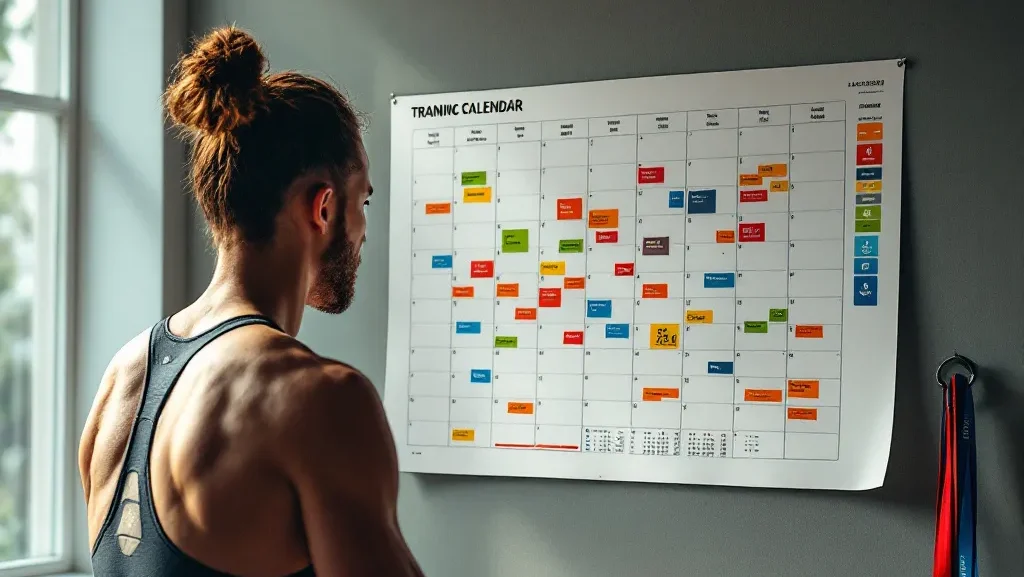
Staring at the December race calendar, I used to pick events like a kid in a sweet shop. Sprint distance in April? Sounds fun! Middle distance two weeks later? Why not! By June I was burned out and wondering what I’d been thinking.
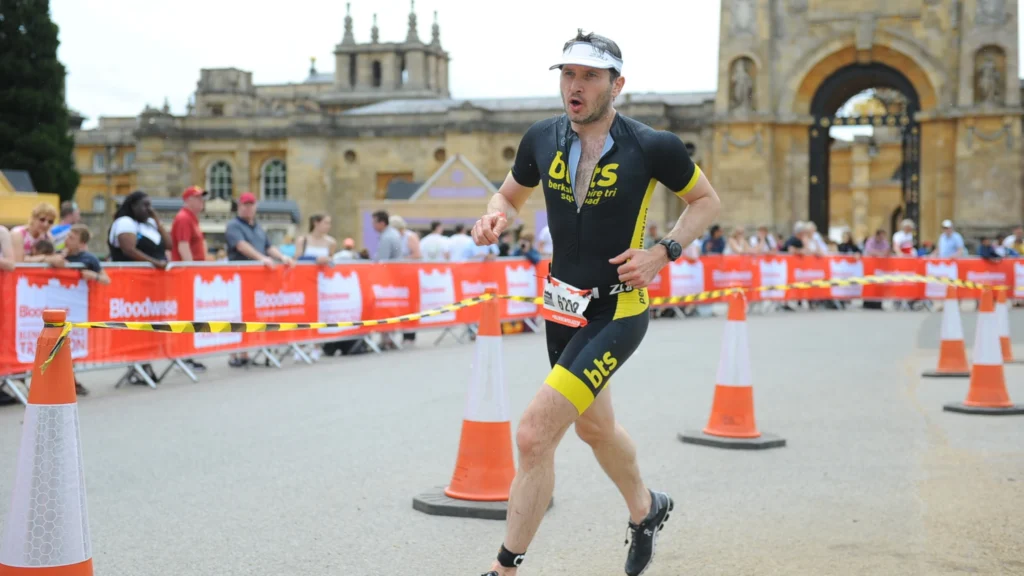
The peak of this was signing up for the Blenheim Sprint and Windsor Triathlon on the same weekend. What I hadn’t clocked was that Windsor required registration the day before. So I went straight from the Blenheim finish line, still in my tri suit, to queue up at Windsor registration. Completely normal behaviour.
Strategic triathlon race selection involves choosing events that align with your training cycles, fitness progression, and personal goals while allowing adequate recovery between key performances. The right race schedule becomes your roadmap to consistent improvement rather than a recipe for burnout.
Define Your Season Goals and Key Races
Before diving into race calendars, establish what you want to achieve this season. Are you targeting your first Olympic distance? Chasing a personal best at 70.3? Building toward an IRONMAN distance event? Your season structure should work backwards from these priority races.
I learned this lesson the hard way after my scattered approach before 2020. Now I identify 2-3 key races per season – typically one early-season tune-up, one major goal race, and one end-of-season celebration event. Everything else supports these priorities.
Consider your personal timeline, too. Work commitments, family holidays, and life events all impact training consistency. I learnt this the hard way when I originally signed up for an Ironman that fell slap in the middle of school holidays, in a location that my wife pointed out, quite reasonably, didn’t exactly scream family holiday destination. A swift venue change and a date outside the school calendar later, everyone was happier.
Understanding Training Periodisation and Race Placement
Effective race selection aligns with periodised training cycles. A typical season follows a pattern of base-building, build phases, peak periods, and recovery blocks. Races should complement rather than disrupt this progression.
Early-season races work brilliantly as training benchmarks during base building. These events test your winter fitness without requiring peak form. I use spring Olympic distance races to assess swim improvements and bike power gains from indoor training.
Mid-season races demand careful placement within build phases. Schedule them during recovery weeks or as breakthrough workouts within your training plan. Avoid placing races during high-volume training blocks unless they’re specifically programmed as training races.
Peak races require a 2-3 week taper and shouldn’t be followed immediately by another goal event. After an A race, you need to recover, rebuild, and then re-peak before the next one, and that takes more time than most athletes give themselves. I know this from experience. I did Ironman Nice and JurassicMan eight weeks apart, and by the time I hit the water at JurassicMan my legs had opinions about that decision. You can read more about racing back-to-back triathlons on TrainingPeaks if you’re tempted to do the same.
Progressive Distance and Intensity Planning
Smart progression builds race distances and intensities gradually throughout the season. Jumping from sprint to middle distance without stepping stones often leads to poor performances or injury.
Start with shorter, higher-intensity events early in the season. Sprint and Olympic distances develop speed and race craft while building confidence. These races also highlight technical areas needing attention before longer events.
Progress to longer distances as aerobic fitness develops. If targeting a 70.3 distance, include Olympic distance races in your build-up. For IRONMAN goals, complete at least one middle-distance event 8-12 weeks before your key race.
Consider intensity progression, too. Technical courses with challenging swims or hilly bike routes should come after establishing a solid fitness base. My JurassicMan attempt taught me that spectacular courses demand respect and preparation.
Recovery Windows and Race Spacing
Recovery requirements scale exponentially with race distance and intensity. Sprint distances might need 3-5 days of easy training, while IRONMAN events demand a 2-4-week gradual return to a full training load.
Plan minimum gaps between goal races. Olympic-distance events need a 2-3-week separation for peak performance. Middle-distance races require 4-6 weeks, and IRONMAN distances require a minimum of 8-12 weeks. These aren’t arbitrary numbers – they reflect physiological adaptation and mental recovery needs.
Use shorter races as training during recovery from longer events. Easy-effort sprint races can aid active recovery while maintaining race sharpness. Just resist the temptation to race them hard when your body’s still rebuilding from previous efforts.
Weather considerations matter too. Early-season races often mean cold water swims and unpredictable conditions. Late-season events can clash with fading daylight and motivation. Schedule your most important races during optimal conditions for your performance and enjoyment.
Balancing Challenge and Achievability
The best race selection balances stretch goals with realistic progression. Each event should challenge you without being completely overwhelming. This balance keeps motivation high while building genuine fitness improvements.
Include a mix of familiar and new challenges. Returning to previous race venues provides direct performance comparisons and confidence. New events add excitement and prevent staleness but require additional preparation and course research.
Consider your support network, too. Local races often provide better family support and lower travel stress. Destination races create memorable experiences but add logistical complexity. Balance both throughout your season.
Factor in your budget constraints early. Race entries, travel, accommodation, and equipment costs accumulate quickly. Spreading major expenses across the year prevents financial pressure from affecting your training focus.
Adapting Your Plan Throughout the Season
Even the best-laid race plans need flexibility. Illness, injury, work demands, or simply changing goals might require schedule adjustments. Build buffer periods into your timeline for exactly these situations.
Regular fitness assessments help determine whether your race goals remain realistic. Poor training blocks might suggest downgrading distance goals or postponing key races. Exceptional progress might open opportunities for additional challenges.
Weather can force last-minute changes, too. Race cancellations happen, and having backup options helps prevent a complete season disruption. Keep a list of alternative events with similar dates and distances.
Listen to your enthusiasm levels. Forced motivation rarely produces good performances. If a planned race feels like drudgery rather than excitement, consider whether it still serves your season goals.
It’s worth knowing that the most popular events now sell out at a pace that would make a Black Friday sale look relaxed. Ironman Valencia and Ironman Mallorca regularly go within hours of opening, and Triathlon de Versailles has developed a similarly devoted following. Challenge Roth operates a ballot system, so even if you apply early, there’s no guarantee of a place. The practical upshot: always have a backup race in mind. If your first choice doesn’t come through, you want an alternative lined up rather than scrambling in January for whatever slots are left.


Leave a Comment
You must be logged in to post a comment.