
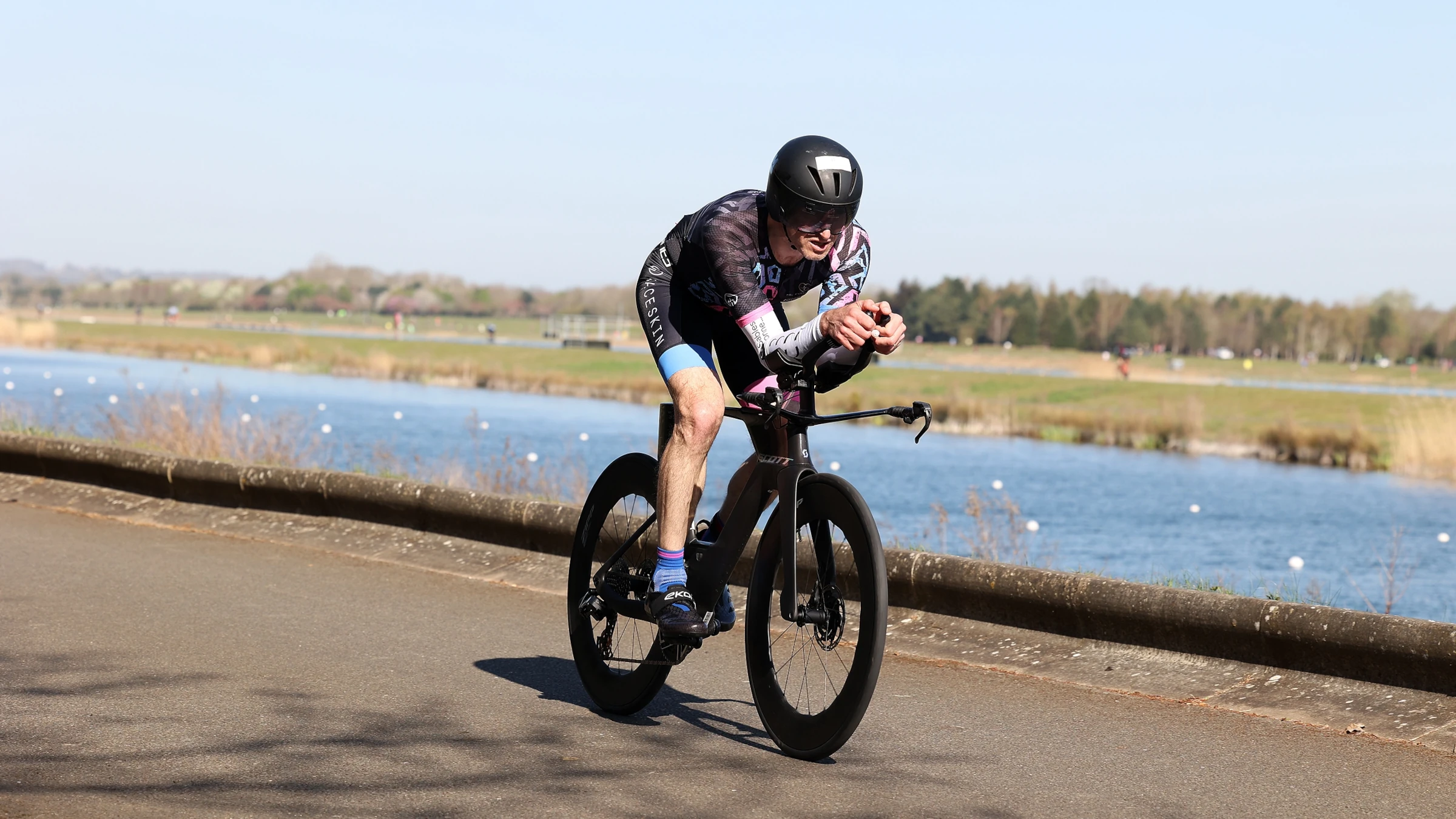
There’s nothing quite like that moment when your bike position clicks into place perfectly. After countless hours tweaking my own setup over the years, I’ve managed to get myself into a reasonably decent position. But I’ll be honest, reasonably decent isn’t the same as optimal. Having done the DIY route, I can say it’s entirely possible, and you’ll learn a lot along the way. What I’d tell you now, though, is to skip straight to a professional fitter if you can.
Getting your position dialled in properly makes an enormous difference to your performance. A good bike fit reduces drag, prevents injury, and helps you maintain power output deep into long rides. Doing it yourself gives you a real understanding of how small changes affect your riding, and that knowledge is genuinely useful. But a professional fitter brings tools, expertise, and an outside eye that you simply can’t replicate from the saddle. If budget allows, it’s one of the best investments you can make in your racing.
Understanding Triathlon Bike Positioning
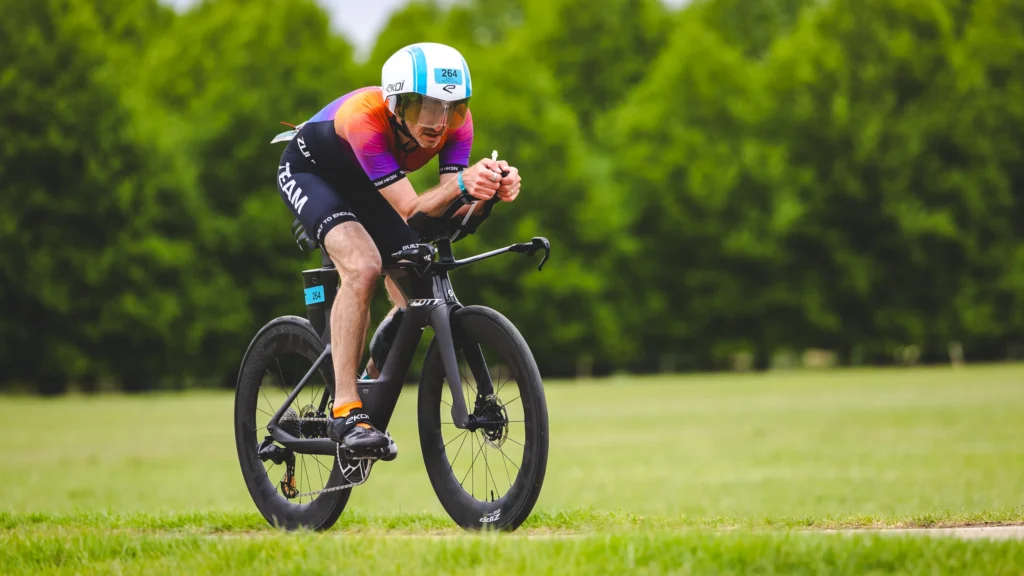
Triathlon bike fitting differs significantly from road bike positioning. Where road cyclists prioritise comfort for long social rides, we’re chasing aerodynamics and the ability to run well off the bike. This means getting lower, more stretched out, and finding that sweet spot between speed and sustainability.
Your position needs to work across different triathlon distances, too. What feels aggressive enough for a sprint might leave you struggling in an Ironman’s final hours. I learned this during my early races when I’d nail the bike split but stumble through T2 with my legs locked up.
The key measurements we’re targeting include saddle height, fore-aft position, reach to the aerobars, and stack height. Each affects your power output, comfort, and aerodynamics differently. Getting them working together harmoniously takes time, but the performance gains make every adjustment session worthwhile.
Essential Tools for DIY Bike Fitting
Before diving into adjustments, gather your basic toolkit. You’ll need Allen keys (typically 4mm, 5mm, and 6mm), a measuring tape, a plumb line or a smartphone app with a level, and, ideally, a turbo trainer to test positions safely indoors.
A smartphone camera becomes your best friend for bike fitting. Set it up to record yourself pedalling from the side, and you’ll spot issues invisible from the saddle. I wish I’d discovered this earlier, rather than relying purely on feel.
Consider investing in a bike fit app or online tool that can analyse your position from photos. While not as precise as professional systems, they provide valuable insights for the home mechanic. Many successful age-groupers rely exclusively on these tools.
Saddle Height: The Foundation
Start with saddle height, as this forms the foundation for everything else. The classic method involves measuring your inseam and multiplying by 0.883, but this only provides a starting point. Real-world testing matters more than formulas.
Hop on your turbo trainer and pedal steadily. Your leg should reach near-full extension at the bottom of the pedal stroke, with a slight bend remaining in your knee. If you’re rocking side to side or pointing your toes excessively, the saddle’s probably too high.
Too low creates different problems. Your knees will track higher than ideal, reducing power output and potentially causing discomfort. During longer sessions, you’ll feel it in your quads and hip flexors. Make small adjustments of 2-3mm at a time, testing each change thoroughly.
Fore-Aft Saddle Position
Once height feels right, tackle the saddle’s fore-aft position. This adjustment affects your weight distribution, power delivery, and how your body balances over the bike. Get it wrong, and you’ll either slide forward constantly or feel uncomfortably stretched out.
The traditional plumb line method suggests your knee should sit directly over the pedal axle when the crank arm points forward horizontally. While useful as a starting point, triathlon positions often require moving slightly forward of this neutral position to open up hip angles for better aerodynamics.
Test different positions during longer rides. Moving forward typically helps with aerodynamics, but can strain your back and arms. Moving backwards often feels more comfortable but may compromise your low position. Finding your personal sweet spot takes experimentation.
Aerobar Setup and Reach
Your aerobar position determines how comfortably you can hold that crucial low position during races. Too far away, and you’ll strain your back trying to reach. Too close, and your breathing becomes restricted, hampering performance when it matters most.
Start with your elbow pads positioned so your forearms run roughly parallel to the bars when resting. Your elbows should sit comfortably in the pads without sliding forward or requiring constant muscle tension to maintain position.
The reach from saddle to elbow pads typically ranges from 40-50cm for most riders, but individual flexibility and riding style matter more than generic measurements. Some riders thrive in extremely stretched positions, while others need more conservative setups for sustained comfort.
Stack Height and Aerodynamics
Stack height refers to how low your bars sit relative to your saddle. Lower generally means more aerodynamic, but only if you can comfortably sustain the position. There’s no benefit to an ultra-low setup if you spend half the race sitting up to relieve back strain.
Research shows that even modest improvements in aerodynamic position can save significant time over race distances. However, these gains evaporate quickly if discomfort forces position changes mid-race.
Build your aerodynamic position gradually. Start slightly higher than your target and lower the bars progressively as your flexibility and strength improve. This approach prevents injury and ensures sustainable progress toward your optimal setup.
Fine-Tuning and Testing Changes
Once your basic position feels reasonable, the real work begins. Fine-tuning requires patience and systematic testing. Change only one variable at a time, allowing several rides to assess each adjustment properly before moving to the next.
Pay attention to different feedback during testing. Comfort matters for long races, but don’t ignore power output and perceived effort. Sometimes, a slightly less comfortable position proves faster and more sustainable once you adapt.
Keep detailed notes about each change and its effects. What feels perfect on a 90-minute ride might cause issues during longer efforts. Building this knowledge base helps you understand your position’s strengths and limitations across different scenarios.
Common Mistakes to Avoid
Rushing the process represents the biggest mistake in DIY bike fitting. Your body needs time to adapt to position changes, and what feels wrong initially might become comfortable with patience. Allow at least a week between significant adjustments.
Don’t chase extreme positions without building the necessary flexibility and strength. An aggressive setup looks impressive but proves counterproductive if you can’t sustain it comfortably. Gradual progression beats dramatic changes every time.
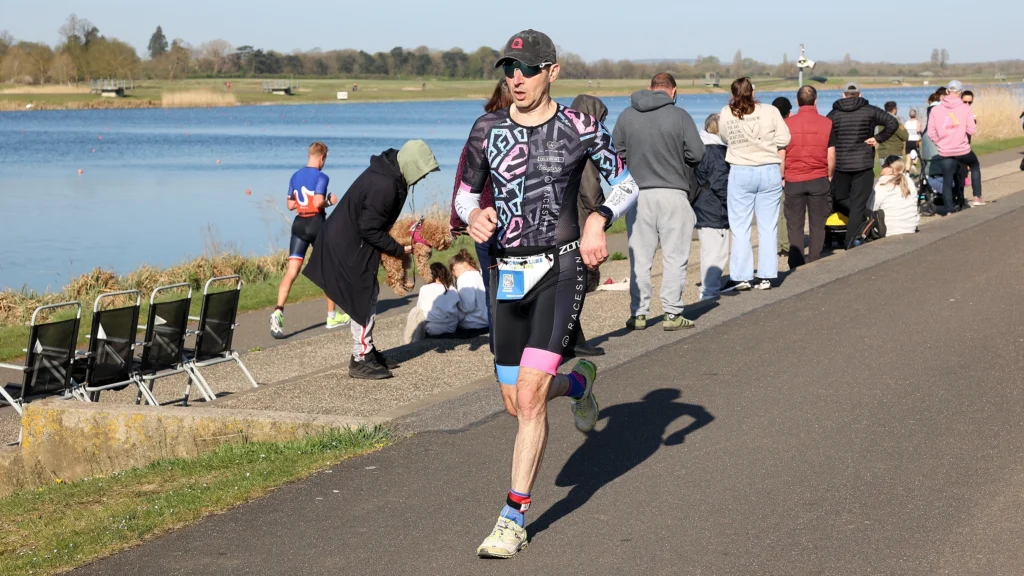
Ignoring your run performance while focusing solely on bike position creates problems, too. Your bike fit affects how you feel coming into T2. If you’re consistently struggling with the early run kilometres, consider whether your position allows adequate blood flow to your legs.
When to Seek Professional Help
While DIY fitting handles most situations effectively, certain scenarios benefit from professional expertise. Persistent pain, significant biomechanical issues, or major equipment changes warrant expert assessment, but honestly, if budget allows, a professional fit is worth it regardless. A trained fitter sees things you simply can’t from the saddle: subtle asymmetries, inefficient pedalling mechanics, cleat issues quietly loading your knees.
If you’re in the Berkshire area, I’d specifically recommend Fitted by Sam. A proper triathlon-focused fit from someone who understands the demands of the sport — and how your bike position interacts with your run — is a worthwhile investment at any level.
If you are experiencing numbness, joint pain, or other concerning symptoms despite careful adjustments, don’t persist blindly. That’s a definite sign to stop tinkering and get expert eyes on it.
Making Your Position Work
Remember that bike fitting isn’t a one-time event but an ongoing process. Your optimal position evolves as your fitness, flexibility, and racing goals change. What works perfectly for your current season might need tweaking as you progress.
Developing strong core strength and flexibility supports any bike position, making aggressive setups more sustainable and comfortable positions more powerful. Consider incorporating specific exercises targeting the muscles and mobility required for your target position.
Most importantly, your bike fit should enhance your enjoyment of the sport rather than create stress and discomfort. The fastest position on paper means nothing if it prevents you from performing your best when it counts. Trust your body, be patient with the process — and if you can, get a professional involved.
Drop a comment below with how you approached your bike fit, or come find me on Instagram at @oli_le_triathlete.

Leave a Comment
You must be logged in to post a comment.