
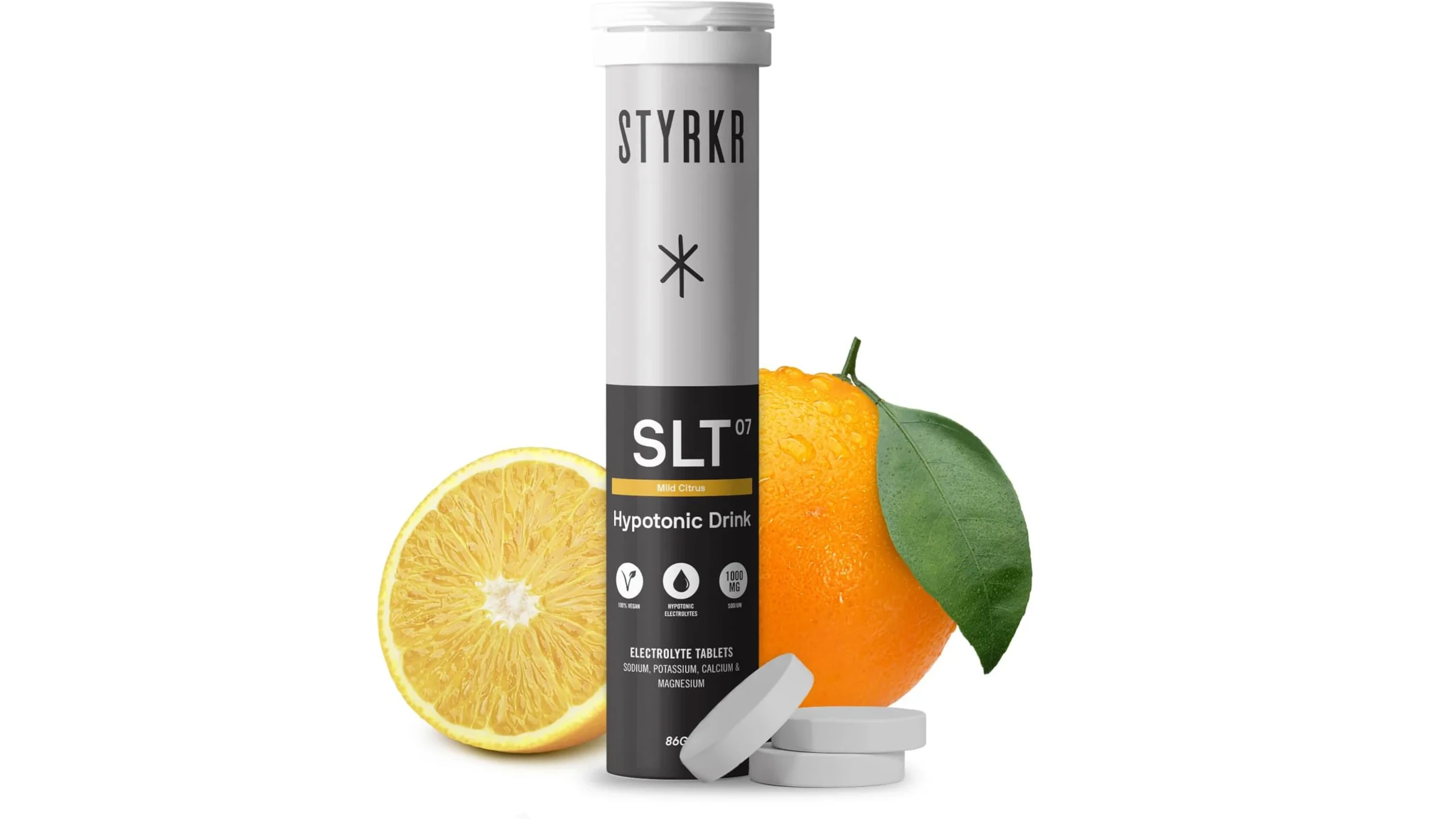
Picture this: you’re 20km into the run leg of your first long-distance triathlon, feeling strong, when suddenly your calves seize up like someone’s grabbed them with a vice. Sound familiar? You’re not alone, and the question of whether salt tablets can prevent this nightmare scenario has sparked countless debates in our club changing rooms.
After years of racing and experimenting with different strategies, I’ve learned that the relationship between salt tablets and cramping isn’t as straightforward as many believe. Let’s dive into what the science actually tells us.
The Real Culprits Behind Muscle Cramps
For decades, we’ve been told that muscle cramps during endurance events stem from electrolyte imbalances and dehydration. It sounds logical. You sweat out sodium, your muscles rebel. But recent research paints a more complex picture.
Modern sports science suggests that exercise-associated muscle cramping (EAMC) is primarily neurological rather than chemical. When we push our muscles beyond their trained capacity, the nerve signals controlling muscle contraction become disrupted. Think of it like your body’s electrical system going haywire under extreme stress.
This explains why cramping often occurs when you’re racing harder than you’ve trained, regardless of your sweat rate or sodium intake. The muscles simply aren’t conditioned for the intensity you’re demanding.
What the Research Says About Salt Tablets
Several studies have compared blood sodium levels between cramping and non-cramping athletes during endurance events. Surprisingly, researchers found no significant differences. A study of 72 ultra-distance runners published in the British Journal of Sports Medicine measured serum electrolytes, hydration status, and body weight before and after racing, and found that none of these factors was associated with exercise-associated muscle cramping (Schwellnus et al., 2004).
This seriously challenges the traditional “you need more salt” theory that most of us grew up believing.
A follow-up study by the same research group, also published in BJSM, examined 210 Ironman triathletes and found that a faster racing pace and a history of cramping — not dehydration or changes in serum sodium — were the strongest predictors of who would cramp during the race (Schwellnus et al., 2011). In other words, going out too hard is more likely to leave you in a cramping heap than skipping an electrolyte tablet.
That said, this doesn’t mean salt tablets are completely useless. They can play a role in maintaining proper hydration and preventing hyponatraemia (dangerously low blood sodium) during ultra-long events. The key is understanding that they’re not the anti-cramp magic bullet the marketing would have you believe — pacing and training matter far more.
When Salt Tablets Might Help
While salt tablets won’t magically prevent neurological cramping, they do serve specific purposes in endurance sports. If you’re a heavy sweater competing in hot conditions for several hours, maintaining sodium balance becomes crucial for overall performance and safety.
Salt tablets can be particularly beneficial when you’re consuming large volumes of plain water, which can dilute your blood sodium levels. This is where understanding your individual electrolyte needs becomes essential.
During my early racing days, I’d pop salt tablets like sweets at the first sign of fatigue. Now I take a more strategic approach, using them primarily during races longer than three hours, especially in warm weather when I know I’ll be sweating heavily.
Effective Cramp Prevention Strategies
If salt tablets aren’t the magic bullet for cramping, what actually works? The most effective strategies focus on proper training and pacing rather than supplementation.
Progressive training that gradually increases both volume and intensity prepares your neuromuscular system for race demands. This means including race-pace efforts in your training and ensuring your legs are conditioned for the distance you’re attempting.
Pacing is equally crucial. Racing within your trained capacity significantly reduces cramping risk. Yes, it might mean holding back when you feel strong early on, but it’s better than walking the final kilometres with seized muscles.
Some athletes find relief through regular stretching, massage, or techniques like pickle juice consumption during events. While the mechanisms aren’t fully understood, these interventions may help reset the neurological signals causing cramps.
My Practical Approach
After experimenting with various strategies across dozens of races, I’ve settled on a balanced approach. For races under two hours, I typically skip salt tablets entirely and focus on proper hydration with electrolyte drinks.
For longer events, I’ll use salt tablets conservatively – perhaps one every 90 minutes during the bike leg if conditions are hot and I’m sweating profusely. The goal isn’t cramp prevention but maintaining sodium balance for optimal hydration and performance.
Most importantly, I’ve learned that consistent training at race intensities, proper pacing, and understanding my body’s limits are far more effective than any supplement for preventing cramping.
The Bottom Line
Salt tablets for triathlon aren’t the cramping cure-all many believe them to be. Modern research suggests muscle cramps during endurance exercise are primarily neurological, caused by pushing beyond your trained capacity rather than simple electrolyte depletion.
That said, salt tablets do have their place in longer events, particularly for maintaining hydration status and preventing hyponatraemia. The key is using them strategically rather than relying on them as your primary anti-cramping strategy.
Focus on building your fitness progressively, race within your abilities, and use salt tablets as part of a broader nutrition strategy rather than a magic solution. Your legs will thank you when you’re running strong through those final kilometres instead of hobbling to the finish line.






Leave a Comment
You must be logged in to post a comment.