

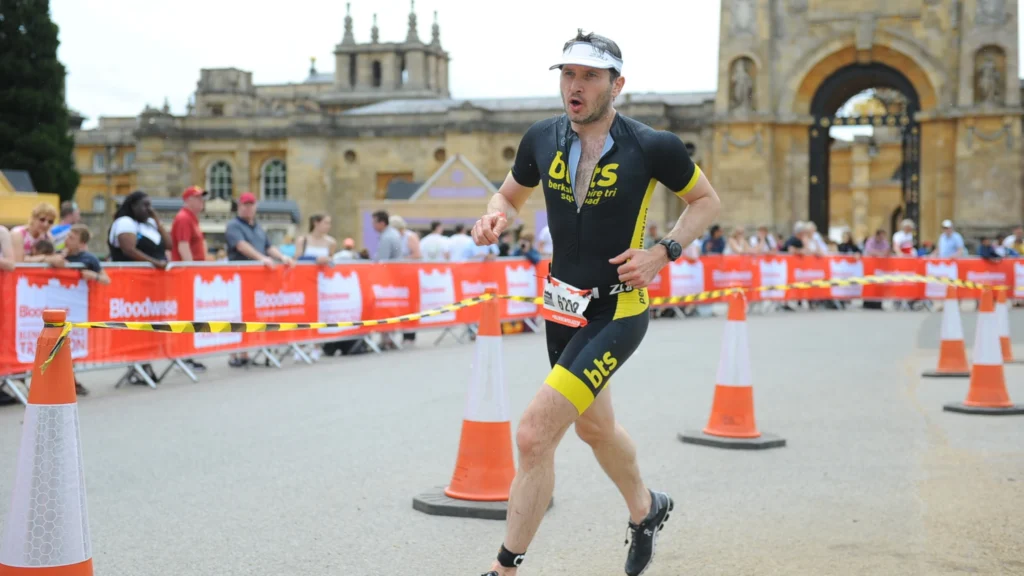
The week before Blenheim Weekend Warriors a few years back, I did what a lot of triathletes do: I panicked about carbs. Was I eating enough? Too much? Should I be eating pasta every single night? I was plant-based, which meant well-meaning people kept asking whether I could actually carb load properly without meat on the plate. Spoiler: not only can you, but a whole-food plant-based diet is arguably one of the best vehicles for triathlon carb loading you can find.
Carb loading for a triathlon means systematically increasing carbohydrate intake in the two to three days before race day to maximise muscle glycogen stores. For plant-based athletes, this translates into dialling up portions of oats, sweet potato, brown rice, dates, and whole grain bread while keeping fat and fibre slightly lower in the final 24 hours. Done right, you go to the start line with a full tank.
Why Carb Loading Actually Matters for Triathletes
Glycogen is your body’s preferred fuel at race intensities. During a sprint or Olympic-distance triathlon, you are working hard enough that your muscles are burning through glycogen at a significant rate. Go longer, into 70.3 or full iron-distance territory, and glycogen management becomes even more critical because once those stores run out, pace drops sharply.
Research published in the International Journal of Sport Nutrition and Exercise Metabolism consistently shows that loading muscle glycogen in the days before endurance events improves performance, particularly in efforts lasting 90 minutes or more. That is most triathlons, even at Olympic distance, for age-groupers.
The good news for plant-based athletes is that carbohydrate-rich whole foods are already the backbone of a vegan diet. You are not adding something foreign. You are simply increasing the volume and timing it properly.
How Many Carbs Do You Actually Need?
The general sports science guidance is 8-12 grams of carbohydrate per kilogram of body weight per day during the loading phase. That sounds like a lot because it is. For a 70 kg athlete, you are looking at 560 to 840 grams of carbohydrate daily across two to three days.
For most plant-based triathletes, the trick is not finding the carbs. The trick is to slightly reduce fat and protein to create room for them without overeating total calories. A bowl of oats with banana and dates for breakfast, rice with roasted sweet potato at lunch, and a big portion of pasta or lentil bolognese in the evening covers a huge chunk of that target.
In the final 24 hours before the race, I personally pull back slightly from the very high end of that range. Eating 800 grams of carbs the day before a race leaves me feeling heavy rather than fuelled. Around 600 grams is the sweet spot where I feel energised without the bloat.
The Best Plant-Based Carb Sources for Race Week
Not all carbs behave the same way, and race week is not the time to experiment. Stick to foods your gut knows well. Here are the ones that consistently work for me and are easy to build meals around:
- Oats: versatile, easy to digest, and genuinely excellent for topping up glycogen. Overnight oats with banana and a handful of dates is my go-to race week breakfast.
- Sweet potato: slightly lower GI than white potato, full of potassium, and extremely easy to batch cook. Roasted sweet potato wedges with rice is a weekly staple in the days before a big race.
- White rice: yes, white rather than brown in the final 48 hours. Lower fibre means less gut stress on race morning. Your digestive system will thank you.
- Dates: calorie-dense, fast-absorbing, and genuinely delicious. A handful of Medjool dates as a snack adds meaningful carbohydrate without huge volume.
- Pasta: the classic for a reason. Whole grain earlier in the week, white pasta the night before for the same lower-fibre reason as rice.
- Ripe bananas: fast and simple. A ripe banana has around 25 to 30 grams of carbohydrate and is incredibly easy on the stomach.
- Bread and bagels: a toasted bagel with nut butter is an easy mid-afternoon top-up that does not feel like a chore to eat.
What to Reduce During Carb Loading
Carb loading is not just about eating more carbs. It is also about making room for them. Fat, fibre, and protein all slow digestion and occupy caloric space that could otherwise go to glycogen synthesis.
That does not mean going protein-free for three days. You still want to maintain muscle. But dropping from 140 grams of protein per day to closer to 100 while you bump up carbs makes physiological sense. Similarly, high-fat foods like avocado, nuts, and full-fat coconut products are worth reducing in the 48 hours before the race.
High-fibre vegetables are the one that catches plant-based athletes out. Cruciferous veg, legumes in large quantities, and raw salads are normally your friends. Race week, they are potential liabilities. Cooked, easy-to-digest vegetables like courgette, carrot, and spinach are fine. A massive lentil dal the night before a race is not, however healthy it usually is. Save it for the day after.
Race Week Day-by-Day: A Practical Framework
Here is roughly how I structure the week around a Sunday race, which is the most common format for UK triathlons. If you’re racing a Challenge Family event, it’s worth knowing that they typically host a pre-race pasta party the evening before, and Challenge Roth takes it to another level entirely. Thousands of athletes in a marquee, live music, mountains of pasta. It’s one of the best parts of the whole weekend.
Monday to Wednesday: Normal Training Nutrition
Eat normally to support your reduced taper training. Keep carbs at your regular training levels, roughly 5 to 7 grams per kilogram. No need to start loading yet. This is a good time to check your daily hydration is solid.
Thursday: Begin the Load
Nudge carbohydrate portions upward. Add an extra serving of rice or oats, have dates as snacks, and make sure every meal has a meaningful carb base. Start reducing fibre slightly by cooking vegetables rather than eating them raw.
Friday and Saturday: Peak Loading
This is where you hit the higher end of your carbohydrate target. Shift to lower-fibre carb sources: white rice, white pasta, bananas, dates, bread. Keep portions of fat and protein moderate. Stay well hydrated. A useful tip is to think about your electrolyte intake here, too, since glycogen storage pulls water into the muscles and sodium helps maintain that balance.
Saturday Evening
Keep it simple. Pasta or rice with a light tomato-based sauce and some steamed vegetables. Nothing adventurous, nothing heavy, nothing new. Early dinner so you have time to digest properly before sleep. I tend to eat by 6 or 6:30 pm the night before a race.
Common Mistakes Plant-Based Athletes Make
The biggest one I see, and one I made myself early on, is eating way too much fibre right up to race day. The logic is understandable. Whole foods are good for you. Legumes and raw vegetables are healthy. But the evening before a race is not the time for a chickpea salad with raw onion and cabbage slaw. Your gut will let you know about it at roughly kilometre two of the run.
The second mistake is not eating enough total carbohydrate. Plant-based athletes sometimes undereat carbs because they are filling up on protein-heavy foods like tofu, tempeh, and legumes, all brilliant foods, but not the priority in race week. Track your carbohydrate intake for two or three days if you have never done it before. Most people discover they are well short of the 8-10 grams per kilogram target.
Third, and this comes up constantly: do not try anything new. If you do not normally eat a specific food, race week is not the time to introduce it. I once had a well-meaning friend suggest a pre-race shot of something exotic the morning before a 70.3. Hard pass.
Hydration Runs Alongside Carb Loading
Glycogen and water are stored together in the muscles. Every gram of glycogen holds roughly 3 grams of water. That means as your glycogen stores fill up, your body naturally retains more fluid. This is a good thing for performance. Some athletes mistake the slight increase in body weight during carb loading for fat gain. It is water. It is supposed to happen.
Keep drinking consistently through race week. British Triathlon’s performance guidance reinforces that arriving at the start line well hydrated is one of the simplest and most impactful things an athlete can control. Aim for pale yellow urine as your guide. Not colourless, not dark.


Leave a Comment
You must be logged in to post a comment.