
That familiar ache in your legs after a brutal brick session isn’t just fatigue talking. It’s your body screaming for the right nutrients to rebuild, repair, and come back stronger. As a plant-based athlete who’s completed over 100 races, I’ve discovered that what you eat in those crucial post-workout hours can make or break your training adaptation.
Recovery isn’t just about collapsing on the sofa with a sports drink. It’s about giving your muscles the building blocks they need to adapt to the stress you’ve just put them through. The beauty of plant-based recovery nutrition? You get all the protein, carbs, and micronutrients you need, plus a hefty dose of anti-inflammatory compounds that can speed up recovery.
The Recovery Window: Science Meets Reality
The old “30-minute anabolic window” might be more of a garage door than a closing window, but timing still matters. Research shows that consuming protein and carbs within two hours post-exercise optimises muscle protein synthesis and glycogen replenishment.
Here’s what your body needs after training:
- Protein: 20-25g to stimulate muscle protein synthesis
- Carbohydrates: 1-1.2g per kg body weight to restore glycogen
- Fluids: Replace what you’ve lost through sweat
- Electrolytes: Restore sodium and potassium balance
The brilliant thing about plant foods is that they often deliver multiple benefits in one package. Take tart cherries, for example. They’re packed with natural sugars to replenish glycogen, but also contain powerful anti-inflammatory compounds that can reduce muscle soreness.
Power-Packed Plant Proteins
Getting enough protein on a plant-based diet isn’t the challenge it once seemed. The key is knowing which sources pack the biggest punch for recovery.
Complete Protein Champions
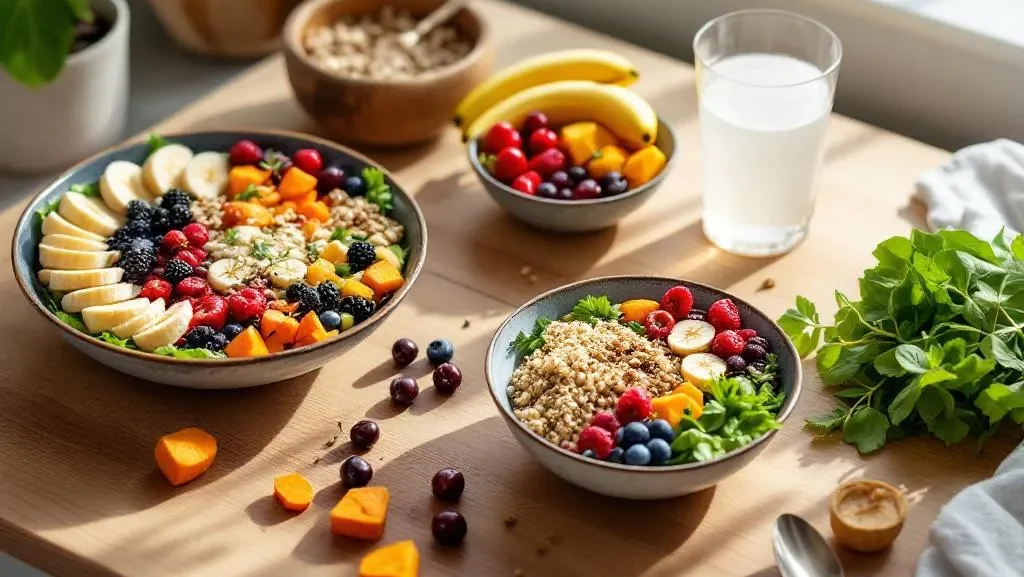
Quinoa sits at the top of my recovery food list. This pseudo-grain contains all nine essential amino acids, making it one of the few plant foods that qualify as a complete protein — a fact backed by Harvard’s T.H. Chan School of Public Health, which notes that one cup cooked delivers around 8g of protein alongside 5g of fibre and complex carbs for sustained energy replenishment. I love it in a post-workout bowl with berries and almond butter.
Hemp seeds are another favourite. Three tablespoons deliver around 9g of protein — per USDA data — plus omega-3 fatty acids to help dial down post-session inflammation. Sprinkle them on smoothies, porridge, or salads for an effortless protein boost.
Soy products like tofu, tempeh, and edamame offer high-quality complete proteins. A cup of edamame provides around 18g of protein (USDA FoodData Central) and makes a perfect post-training snack. As for the soy myths floating around the internet — ignore them. A 2023 systematic review of randomised controlled trials published in Sports Medicine found that soy protein can be recommended to athletes as a viable alternative to conventional protein supplements, with evidence of benefits for lean mass, antioxidant status, and recovery after muscle damage.
Strategic Protein Combining
While you don’t need to obsess over amino acid profiles at every meal, combining complementary proteins can boost recovery benefits. Think rice and beans, hummus with wholemeal pitta, or peanut butter on toast. These combinations create complete amino acid profiles that rival any animal protein.
Carbohydrate Powerhouses for Glycogen Replenishment
After depleting your glycogen stores during training, your muscles are primed to soak up carbohydrates like a sponge. The trick is choosing sources that replenish quickly while providing additional recovery benefits.
Bananas are nature’s perfect recovery food. They provide fast-acting carbs, potassium to replace what you’ve lost through sweating, and they’re portable enough to eat trackside after a tough session.
Sweet potatoes provide complex carbs for sustained glycogen replenishment and beta-carotene, an antioxidant that helps combat exercise-induced oxidative stress. I often bake them ahead of time for quick post-workout fuel.
Oats provide both immediate and sustained energy release. The beta-glucan fibre helps stabilise blood sugar while the carbs get to work restoring muscle glycogen. My go-to recovery breakfast combines oats with plant milk, berries, and a dollop of almond butter.
Anti-Inflammatory All-Stars
One of the biggest advantages of plant-based recovery nutrition is the wealth of anti-inflammatory compounds found in colourful fruits and vegetables. These natural compounds can help reduce exercise-induced inflammation and support recovery — though it’s worth noting that some inflammation is part of the adaptation process, so the goal is balance, not elimination.
Tart cherries are my go-to post-workout smoothie ingredient, and the evidence behind them is genuinely solid — studies consistently point to reduced inflammatory markers and faster recovery times. It’s not just age groupers reaching for them either. EF Pro Cycling riders are handed 500ml of cherry juice by their soigneurs the moment they cross the finish line, with team doctor Jon Greenwell describing it as “the first step in our recovery strategy” — though he also notes it’s best saved for race days rather than easy training, since some inflammation is a necessary adaptation stimulus.
Turmeric is another worthwhile addition. Its active compound, curcumin, has been the subject of multiple systematic reviews, with a 2024 review in the Journal of the International Society of Sports Nutrition concluding that it can reduce muscle damage and inflammation from eccentric exercise — making it a potential tool for athletes managing heavy training loads. Adding turmeric to your recovery smoothie with a pinch of black pepper significantly improves absorption.
Leafy greens like spinach and kale round out the anti-inflammatory toolkit. They’re rich in dietary nitrates, which the body converts to nitric oxide — a molecule that supports blood flow, mitochondrial efficiency, and oxygen delivery to working muscles. Research suggests the benefits are most pronounced for sub-elite athletes, but for age groupers grinding through triathlon training, that’s precisely where we sit. They also deliver folate and iron, both of which are important for energy production and oxygen transport.
Hydration Heroes
Recovery nutrition isn’t just about solid food. Proper hydration is crucial for nutrient transport, temperature regulation, and cellular repair processes.
Coconut water naturally contains potassium and magnesium, making it an excellent alternative to sports drinks. It’s particularly useful after longer sessions when you’ve lost significant electrolytes.
Plant milk smoothies serve double duty, providing both hydration and nutrients. Blend plant milk with frozen fruit, spinach, and a scoop of plant protein powder for a complete recovery drink.
Don’t forget about plain water either. For most training sessions under two hours, water combined with a balanced recovery meal will meet your rehydration needs perfectly.
Real-World Recovery Meals
Theory is great, but practical application matters more. Here are some of my favourite post-workout combinations that tick all the recovery boxes:
The Quick Fix: Banana with almond butter and a glass of plant milk. Fast carbs, protein, healthy fats, and hydration in under five minutes.
The Smoothie Bowl: Blend frozen berries, spinach, plant protein powder, and coconut water. Top with hemp seeds, granola, and fresh fruit. Complete nutrition in a delicious package.
The Hearty Option: Quinoa bowl with roasted sweet potato, black beans, avocado, and tahini dressing. Perfect after those tough brick sessions when you need serious refuelling.
The Comfort Choice: Porridge made with oats, plant milk, banana, and a spoonful of nut butter. Sometimes you need something warm and comforting after a cold morning swim.
Timing Your Recovery Nutrition
While the recovery window is more forgiving than once thought, strategic timing can optimise your adaptation. Aim for something within 30 minutes if your next training session is within 12 hours, or you’ve completed a particularly demanding workout.
For most age-group athletes training once daily, having a balanced meal within two hours is perfectly adequate. The key is consistency over perfection. Building sustainable habits around recovery nutrition will serve you better than stressing about precise timing.
Making It Sustainable
The best recovery nutrition plan is one you can stick to long-term. Batch-cooking quinoa, keeping frozen fruit on hand, and having backup options like plant protein powder help ensure you’re never caught unprepared after a session.
Remember, recovery happens between training sessions, not just in the gym or on the bike. Prioritising sleep, managing stress, and fuelling properly with plant-based recovery foods creates a foundation for consistent improvement.
Your next breakthrough might not come from a harder training session, but from better recovery. Give your body the plant-powered fuel it needs, and watch your performance soar. After all, adaptation happens during rest, not during stress. Make every recovery meal count.





Leave a Comment
You must be logged in to post a comment.