
Passing an aid station during one of my Ironman, watching athletes grab bright-blue sports drinks while I reached for water (and, let’s be honest, Coca-Cola), I started to question whether my plant-based approach was leaving something on the table. That moment sparked a deep dive into vegan hydration strategies that completely transformed how I fuel my training.
Turns out, the best hydration solutions might already be growing in nature.
Why Plant-Based Hydration Matters
Hydration isn’t just about replacing water lost through sweat. During long training sessions and races, we’re losing vital electrolytes that keep our muscles firing and our hearts beating efficiently.
Traditional sports drinks work, but they often come packed with artificial colours, synthetic ingredients, and more sugar than necessary. Plant-based alternatives can deliver the same performance benefits whilst aligning with your values and potentially offering additional nutritional benefits.
The key lies in understanding that electrolyte replacement doesn’t require a laboratory. Nature has been perfecting hydration solutions for millions of years.
Natural Electrolyte Powerhouses
Coconut water deserves its reputation as nature’s sports drink. With naturally occurring potassium, magnesium, and sodium, it matches the electrolyte profile your body craves during endurance efforts. I’ve used it successfully during 70.3 races, though the lower sodium content means it works best for efforts under three hours. Rich Roll writes about it in Finding Ultra, which is worth reading if you haven’t already.
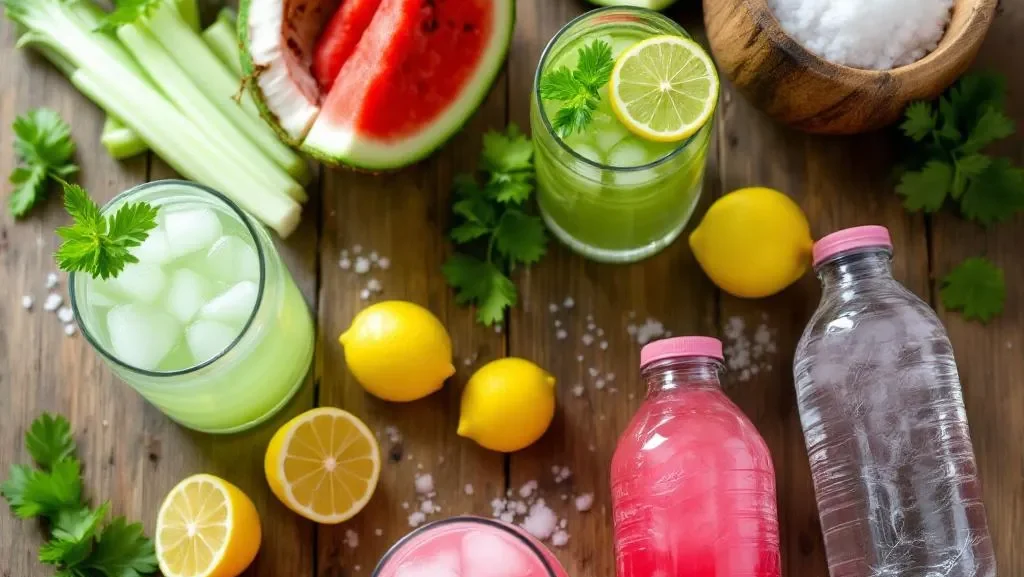
Watermelon juice offers high water content, natural sugars, and citrulline, an amino acid that may improve blood flow. Blend it with a pinch of sea salt for longer efforts.
Don’t overlook celery juice either. Whilst it might sound unappealing, celery naturally contains organic sodium and potassium. Mix it with apple juice for palatability, and you’ve got a surprisingly effective pre-training drink.
Mineral-Rich Add-Ins
Sea salt isn’t just salt. Quality sea salt contains trace minerals that refined table salt lacks. A quarter teaspoon in your water bottle provides sodium without the chemical aftertaste of many commercial products.
Pink Himalayan salt offers similar benefits with additional trace minerals. The key is using just enough to replace what you’re losing through sweat without creating a salty mess.
DIY Hydration Solutions That Actually Work
After years of experimenting, here are my go-to homemade hydration drinks that have powered me through countless training sessions and races.
The Long Distance Formula
For sessions over two hours, I mix 500ml coconut water with 500ml regular water, add a quarter teaspoon of sea salt, and squeeze in half a lemon. The citrus masks any salty taste whilst providing vitamin C and natural flavour.
During particularly hot training blocks, I’ll add a tablespoon of pure maple syrup for easily digestible carbohydrates. This combination has carried me through numerous iron-distance training days without the artificial sweeteners that upset some people’s stomachs.
The Quick Recovery Mix
Post-workout, focus shifts to rapid rehydration and glycogen replacement. Blend watermelon chunks with coconut water and a pinch of salt. The natural sugars help shuttle electrolytes into your cells faster than water alone.
Adding a handful of spinach might sound odd, but you won’t taste it, and the extra potassium supports muscle recovery.
Daily Hydration Beyond Training
Race day hydration starts days before you pin on your number. Your daily fluid intake sets the foundation for performance, and proper water consumption throughout the week matters more than what you drink in the final hour before racing.
Herbal teas count towards fluid intake whilst providing antioxidants that support recovery. Green tea offers gentle caffeine without the crash, whilst chamomile provides calming benefits for better sleep.
Consider the timing of different fluids, too. Caffeine has its place in training, but switching to caffeine-free options after 2 pm helps maintain sleep quality, which directly impacts hydration status.
The Morning Hydration Ritual
Starting each day with a large glass of water mixed with lemon juice and a pinch of sea salt helps restore overnight fluid losses. Your body has been repairing itself for eight hours without any fluid intake, so this simple ritual kickstarts proper hydration before you’ve even thought about training.
Coconut Water vs Commercial Sports Drinks
The comparison isn’t straightforward. Commercial sports drinks typically contain higher sodium levels, making them more suitable for heavy sweaters or ultra-distance efforts. However, research published in the International Journal of Sport Nutrition suggests coconut water can be equally effective for rehydration in many situations.
Coconut water shines for efforts under three hours, recovery situations, and daily hydration. Commercial drinks excel during ultra-distance events or in extremely hot conditions where sodium replacement becomes critical.
The beauty of plant-based options lies in their flexibility. You can adjust the formula based on conditions, duration, and personal needs rather than accepting whatever ratio the manufacturer decided worked for average athletes.
A Note on Being Realistic
I use commercial electrolyte products too — powders and capsules — because sometimes convenience genuinely wins. Long travel days before a race, early morning sessions when making a coconut water mix at 5 am isn’t happening, or mid-race when I grab what’s on the aid station table. That’s not a failure of the plant-based approach. It’s just how endurance sport works in practice.
The goal here isn’t purity. It’s building hydration habits that align with your values, support your performance, and that you’ll actually follow consistently. Start with one or two of these options during training — never experiment on race day — and build from there.
The best hydration strategy is the one you’ll actually use.



Leave a Comment
You must be logged in to post a comment.