
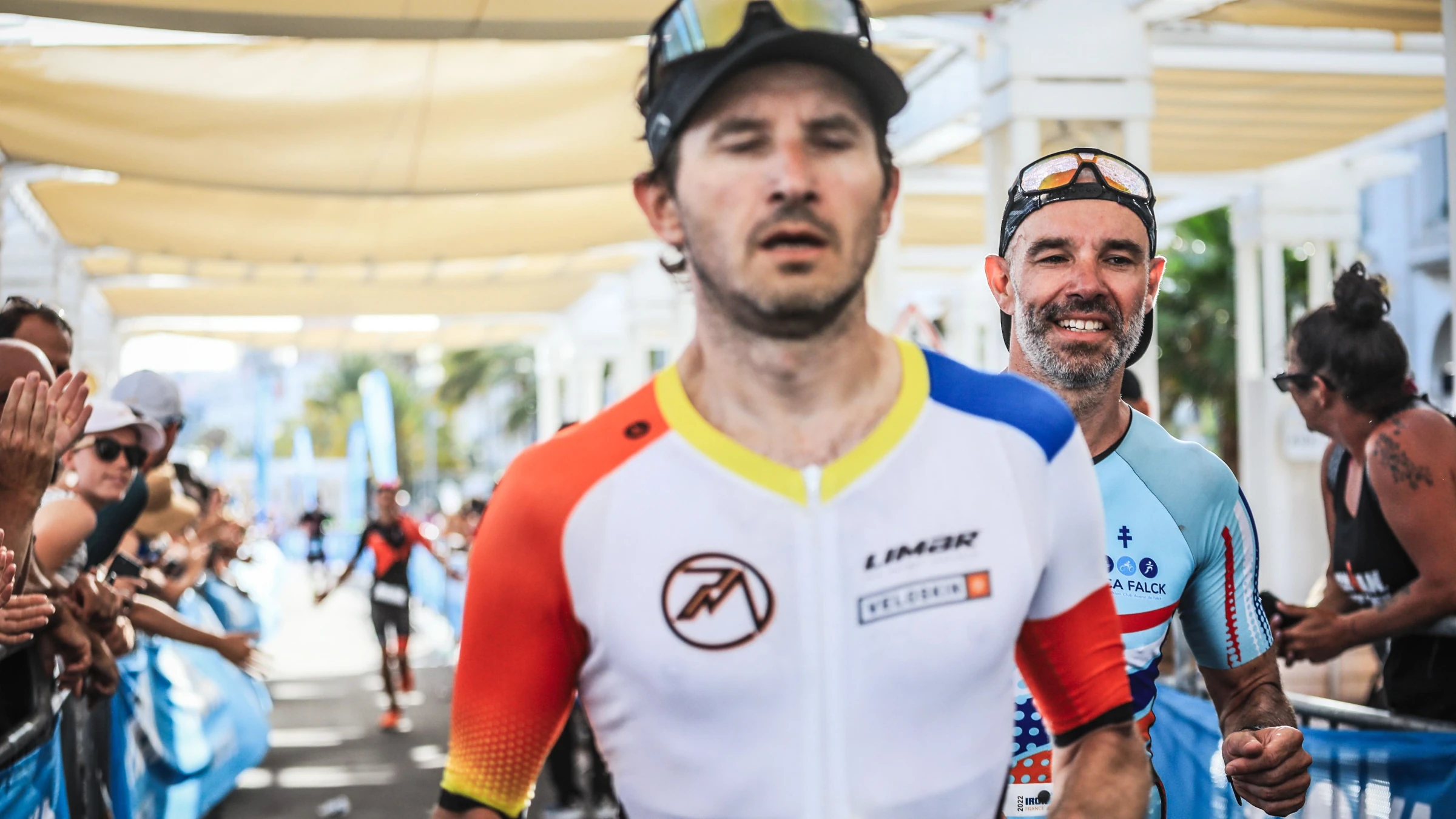
Three kilometres into the run at a triathlon, something peculiar happened. Legs feeling fine, breathing controlled, yet every fibre of being screamed to stop. Not because the body was failing, but because the brain had decided this whole enterprise was utterly mad.
Sound familiar? If you’ve ever stood at a start line feeling fresh but mentally defeated, or found yourself walking during a race when your body could clearly continue, you’ve experienced what sports scientists call the “central governor” in action.
The Brain’s Safety Net
Your brain is incredibly sophisticated at protecting you from harm. When faced with prolonged effort, it doesn’t wait for actual muscle failure or dangerous physiological states. Instead, it creates overwhelming fatigue, discomfort, or doubt, forcing you to slow down or stop.
This mechanism served our ancestors well when running meant escaping predators or hunting for survival. But in modern triathlon racing, it can become our biggest limiting factor.
Research from Dr Timothy Noakes suggests that fatigue is primarily a brain-derived emotion designed to preserve homeostasis. Your muscles might have another hour of work in them, but your brain shuts down the party early.
Recognising Mental vs Physical Fatigue
Learning to distinguish between mental and physical fatigue is crucial for any triathlete. Physical fatigue manifests as genuine muscle weakness, elevated heart rate beyond your capabilities, or compromised form that could lead to injury.
Mental fatigue, however, feels different. You’ll notice negative self-talk increasing, everything seems harder than it should be, and you’ll start bargaining with yourself about slowing down or stopping. Your body might be performing exactly as expected, but your mind has other ideas.
During training sessions, I’ve started paying attention to these signals. When my coach Nathalie sets a challenging session, I notice how quickly my brain jumps to thoughts like “this is too hard” or “maybe I should ease off today” before my body has even had a chance to respond to the demands.
The Nutrition-Mindset Connection
What you fuel your brain with directly impacts its resilience during training and racing. Since adopting a plant-based approach, I’ve noticed significantly improved mental clarity during longer efforts.
Complex carbohydrates from whole grains provide steady glucose to your brain, whilst antioxidant-rich foods like beetroot support cognitive function under stress. Omega-3 fatty acids from sources like flax seeds and walnuts help maintain focus during prolonged efforts.
Dehydration particularly affects mental performance before physical performance. Even mild dehydration can increase perceived effort and make everything feel harder than it actually is.
Training Your Mental Muscles
Just as you wouldn’t expect to complete an Ironman without training your cardiovascular system, you can’t expect optimal mental performance without specific preparation.
Progressive Mental Loading
Start incorporating “mental training” into your physical sessions. During tempo runs or threshold bike efforts, practice staying present and positive when discomfort increases. Use mantras, focus on technique, or break the effort into smaller chunks.
I’ve found that longer training sessions naturally develop mental resilience. Those four-hour weekend rides aren’t just building aerobic capacity; they’re teaching your brain that extended discomfort is survivable and manageable.
Visualisation and Mental Rehearsal
Spend time visualising race scenarios, particularly the difficult moments. Picture yourself feeling tired during the run but maintaining good form and positive thoughts. Mental rehearsal creates neural pathways that you can access during actual racing.
The key is making these visualisations as vivid and realistic as possible. Include the physical sensations, environmental conditions, and emotional responses you might experience.
Mindfulness and Present-Moment Awareness
Many mental struggles during racing stem from projecting into the future (“I still have 15k to go”) or dwelling on the past (“that swim was terrible”). Training yourself to stay present dramatically reduces mental fatigue.
Practice this during training by focusing on immediate sensations: your breathing rhythm, foot-strike pattern, or the feel of water during your stroke. When your mind wanders to finish times or remaining distance, gently redirect attention to the present moment.
Race Day Mental Strategies
Having a mental game plan is as important as knowing your pacing strategy. Prepare specific tools for when your brain starts undermining your performance.
Chunking and Process Focus
Instead of thinking “20k run to go”, break it down: “next aid station”, “next kilometre”, or even “next 100 steps”. This makes the challenge feel manageable and keeps you engaged with the process rather than fixated on the outcome.
Focus on executing your race plan rather than constantly evaluating how you feel. Feelings fluctuate dramatically during long races, but good execution remains consistent.
Positive Self-Talk and Mantras
Develop specific phrases that resonate with you and practice them during training. Simple mantras like “smooth and strong”, “I am exactly where I need to be”, or “my body knows how to do this” can redirect negative thought patterns.
The goal isn’t to eliminate challenging thoughts entirely but to have stronger, more helpful thoughts readily available when needed.
Building Long-Term Mental Resilience
Mental training isn’t just about race day performance; it’s about developing a healthier relationship with challenge and discomfort that extends beyond triathlon.
Through my years with Berkshire Tri Squad, I’ve observed that athletes who embrace the mental aspects of training often find greater satisfaction in the sport. They’re less likely to experience burnout and more likely to maintain consistent training over the years.
Regular practice of techniques like meditation and breathwork, or challenging yourself in non-sporting contexts, all contribute to mental resilience. The confidence that comes from knowing you can handle difficult situations is invaluable both in racing and daily life.
Your Brain Is Trainable
The beautiful truth about mental training is that your brain adapts just as your cardiovascular system and muscles do. Each time you push through mental resistance during training, you’re literally rewiring neural pathways to be more resilient.
Start small. Notice when your mind wants to quit during your next threshold session and experiment with staying present and positive for just one more minute. Build from there.
Your body is capable of far more than your untrained mind believes. The question isn’t whether you’re physically strong; it’s whether you’re willing to develop the mental skills to access that strength when it matters most.


Leave a Comment
You must be logged in to post a comment.