

After logging countless hours training and racing over 100 events, I’ve accumulated quite a collection of recovery gadgets. Some have become absolute essentials, others are gathering dust in the garage. Let me save you some money and share what actually works versus what’s just expensive marketing fluff.
Recovery isn’t just about feeling better after training (though that’s nice). It’s about adapting to the stress we’ve placed on our bodies so we can train consistently and perform on race day. The right tools can genuinely accelerate this process, but the wrong ones can, too. They’ll just lighten your wallet.
The Recovery Champions: Tools That Deliver
Foam Rollers: Your Daily Driver
Starting with the basics, a quality foam roller is non-negotiable. I’ve been through several over the years, from cheap hollow ones that snapped to expensive textured versions that felt like medieval torture devices.
The sweet spot? A medium-density roller around 90cm long. Dense enough to work effectively but not so firm that it leaves you bruised. I try using mine after brick sessions when my legs feel like concrete.
Skip the fancy vibrating versions unless money’s no object. The standard roller does exactly what you need: breaks up muscle tension and improves mobility. Budget around £30-50 for a decent one that’ll last years.
Compression Gear: Science-Backed Recovery
Compression tights and socks genuinely work, though not always for the reasons manufacturers claim. The real benefit isn’t magical muscle recovery but improved circulation, which helps clear metabolic waste products faster.
I wear compression socks during long travel to races and sometimes overnight after particularly brutal sessions. The key is to get proper graduated compression (tighter at the extremities, looser toward the heart) rather than just tight fabric.
Quality matters here. Cheap compression gear loses its elasticity quickly and provides inconsistent pressure. Expect to pay £40-80 for good compression tights, £20-30 for socks.
Ice Baths: Cold Hard Truth
Before you invest in an expensive cold tub, try the humble bag-of-frozen-peas approach. Fill your bath with cold water, add ice, and see how you respond to cold therapy.
Cold water immersion has a solid evidence base for reducing inflammation and supporting recovery between hard sessions. The Wim Hof Method — whatever you make of the man himself — has done more than most to put cold therapy on the mainstream map, and his book is worth a read if you want to go deeper on the why.
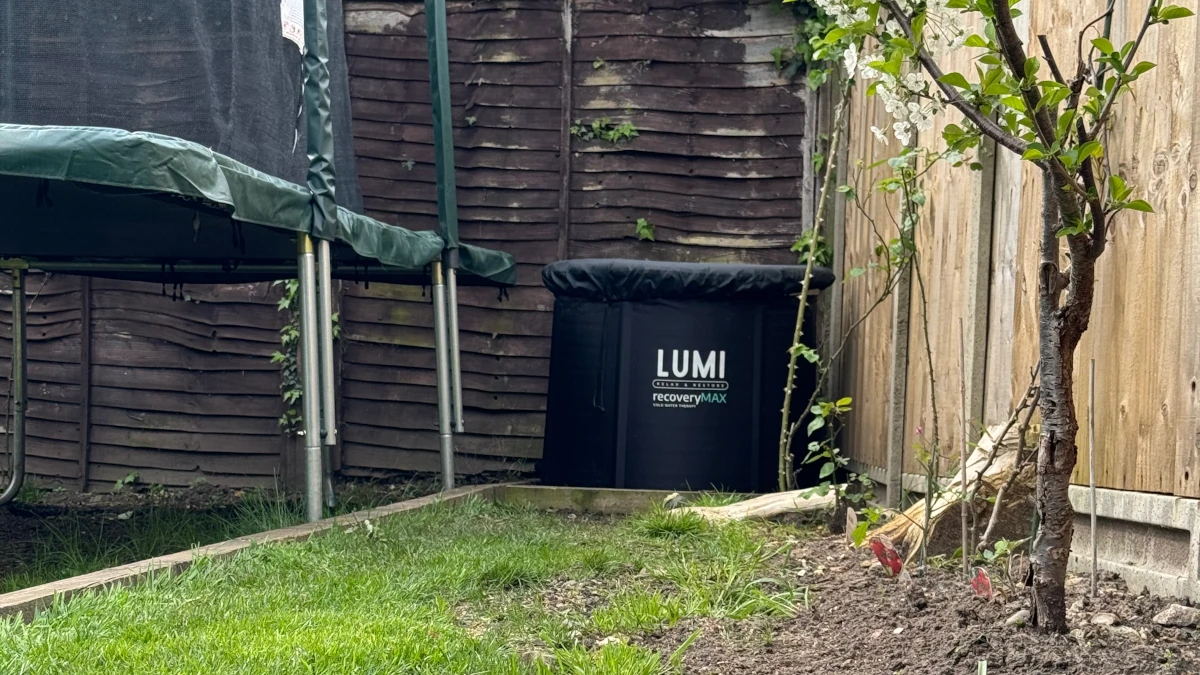
I’ll be honest: my cold plunge setup is a repurposed chest in the garden, the water has turned an impressive shade of green, and I use it sporadically at best. But when I do get in, I feel the benefit. If you’re just starting out, a bath with ice does the job — save the dedicated kit until you’re sure cold therapy is something you’ll actually stick to.
The Overhyped: Marketing Miracles That Aren’t
Percussion Massage Guns: Expensive Vibration
These dominated social media feeds for good reason: they’re photogenic and make satisfying noises. Unfortunately, the recovery benefits don’t match the price tags.
Yes, massage guns feel good and can temporarily reduce muscle tension. But research suggests they’re no more effective than a proper warm-up for improving performance or a foam roller for recovery.
At £200-500, they’re hard to justify unless you’ve got money burning a hole in your pocket. Your foam roller and some post-workout stretching will achieve similar results for a fraction of the cost.
Recovery Boots: Expensive Air
Pneumatic compression boots look impressively medical and cost accordingly (£500-2000+). They work by sequentially inflating chambers to “milk” blood back toward your heart.
While they’re not harmful, the evidence for superior recovery compared to elevation and gentle movement is thin. Professional teams use them because money’s no object, not because they’re dramatically better than alternatives.
Unless you’re earning prize money from racing, standard compression gear and elevation will serve you just as well.
The Middle Ground: Nice to Have
Muscle Stimulators (TENS/EMS Units)
Electric muscle stimulation devices occupy an interesting middle ground. They’re not miracle workers, but they can help with pain relief and may assist recovery when used correctly.
I’ve found TENS units particularly useful for managing minor niggles during heavy training blocks. They won’t replace proper treatment for injuries, but for general muscle tension, they’re moderately helpful.
Decent units cost £50-150. Skip the cheap versions that deliver inconsistent stimulation and the ultra-expensive ones targeting professional markets.
Infrared Saunas
Heat therapy has solid scientific backing for recovery, but you don’t need an expensive infrared sauna to get benefits. Regular saunas, hot baths, or even targeted heat pads can provide similar physiological responses.
If you enjoy the experience and have space/budget, infrared saunas are pleasant recovery tools. Just don’t expect miraculous performance gains that justify the £2000+ investment.
Natural Recovery Methods That Actually Work
Before reaching for gadgets, nail the fundamentals. Sleep quality trumps any recovery device. Proper hydration matters more than compression boots. Adequate fluid intake throughout the day supports natural recovery processes.
Plant-based nutrition also provides excellent recovery support. Tart cherry juice has genuine anti-inflammatory properties. Beetroot supports circulation. Quality protein ensures muscle repair happens efficiently.
Movement-based recovery, such as gentle yoga or easy swimming, often outperforms passive gadgets. Your body evolved to recover through appropriate activity, not lying still with machines attached.
Building Your Recovery Arsenal
Start with the basics: a quality foam roller, compression socks, and access to cold-water therapy. These three tools cover the fundamental recovery modalities for under £100 total.
Add equipment gradually based on your specific needs and responses. Some athletes swear by massage guns despite limited evidence; if you find genuine benefit and can afford it, that’s valid.
Remember that consistency beats sophistication. Daily foam rolling and stretching will serve you better than sporadic sessions with expensive gadgets.
The Recovery Reality Check
Recovery is ultimately about managing training stress appropriately. No gadget can compensate for consistently overreaching or ignoring sleep and nutrition.
The most effective recovery tool remains intelligent training periodisation. Work with a coach who understands when to push and when to ease back. Build recovery weeks into your programme.
Use tools to support this process, not replace it. Focus your money on proven methods first, then experiment with extras if your budget allows. Your future racing self will thank you for the consistent, unglamorous daily habits rather than the flashy equipment collecting dust.



Leave a Comment
You must be logged in to post a comment.