

You’ve just crushed a 40km bike split, feeling strong and confident as you rack your bike. Then you start running, and suddenly your legs feel like concrete blocks attached to your hips. Sound familiar? Welcome to the wonderful world of triathlon transitions.
After completing over 100 races, I can tell you that mastering the bike-to-run transition is one of the biggest game-changers in triathlon performance. The good news? Brick training can transform those concrete legs into springs, and it’s actually quite enjoyable once you know what you’re doing.
What Is Brick Training and Why Does It Matter?
Brick training involves combining two disciplines back-to-back, most commonly cycling followed by running. The name supposedly comes from how your legs feel when you start running after cycling, though I prefer to think of it as building blocks for triathlon success.
The physiological magic happens when your body learns to adapt to the rapid change in muscle recruitment patterns. During cycling, you’re primarily using your quads and glutes in a seated position. Running demands a completely different neuromuscular pattern, engaging your calves, hamstrings, and core whilst fighting gravity.
Research published in Sports (MDPI) confirms that prior cycling impairs subsequent running performance — affecting muscle oxygen saturation and stride mechanics — which is precisely why brick sessions are a staple of triathlon training.
The Foundation Brick Session
Start with this simple but effective session that forms the backbone of any triathlon training programme:
Session 1: The Classic 60-15
Cycle for 60 minutes at a comfortable aerobic pace (Zone 2 intensity), followed immediately by a 15-minute run at the same perceived effort. The key word here is “immediately”. Aim for less than 2 minutes of transition time.
During the bike portion, maintain a steady cadence around 85-90 rpm. Focus on smooth pedalling and resist the urge to push too hard. Remember, this is about adaptation, not destruction.
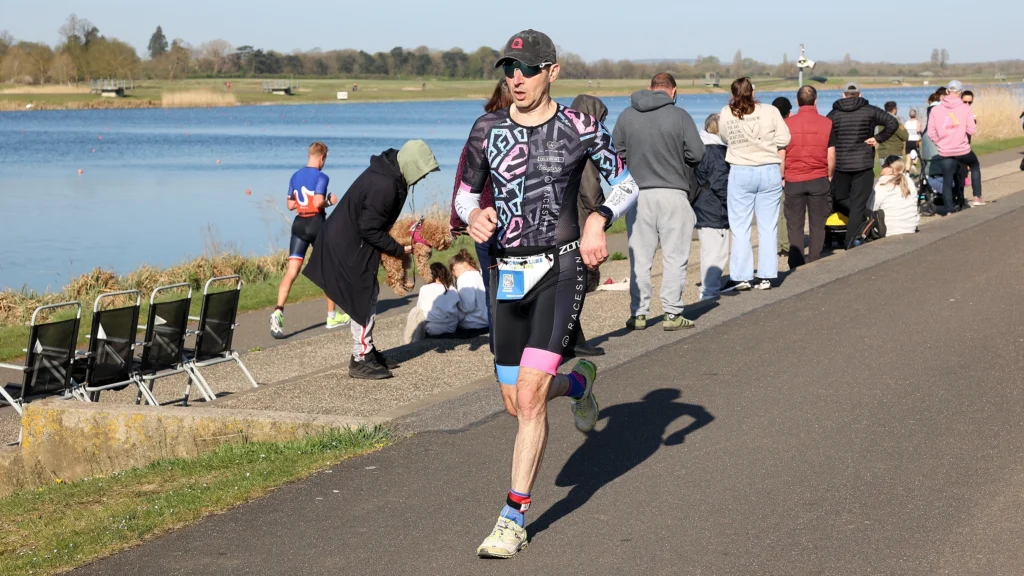
When you transition to running, expect your legs to feel strange for the first few minutes. This is completely normal. Start conservatively and let your running rhythm develop naturally. By minute 10, you should be settling into your groove.
Progressive Brick Training Sessions
Session 2: The Race Simulator
This session mimics the intensity patterns you’ll experience on race day. Cycle for 45 minutes, building to race-pace intensity over the last 15 minutes. Transition quickly to a 20-minute run, starting at an easy pace for 5 minutes, then building to race pace for the remainder.
The beauty of this session lies in teaching your body to run at target pace when your legs are already fatigued from cycling. It’s essentially a dress rehearsal for race day.
Session 3: The Speed Merchant
After warming up with 20 minutes of easy cycling, complete 4 x 8-minute intervals at threshold pace with 2-minute recoveries. Follow immediately with a 25-minute run featuring 3 x 5-minute intervals at 10km pace with 90-second jog recoveries.
This session develops your ability to maintain speed when transitioning between disciplines. It’s challenging but incredibly rewarding when you nail the pacing.
Short and Sweet Options
Session 4: The Weekday Special
Perfect for busy schedules: 30 minutes cycling at moderate intensity, immediately followed by 10 minutes of running at the same effort. Quick, effective, and easily squeezed into lunch breaks or early mornings.
Session 5: The Transition Master
This unique session focuses purely on transition efficiency. Complete 3 rounds of: 15 minutes cycling at race pace, quick transition (under 90 seconds), 8 minutes running at race pace, then 5 minutes easy recovery.
Between rounds, practice your triathlon transitions, including elastic laces, helmet removal, and finding your running rhythm quickly.
Fueling Your Brick Sessions
Brick training provides the perfect opportunity to practice race-day nutrition strategies. During longer sessions (over 90 minutes total), I recommend consuming 30-60g of carbohydrates per hour.
Plant-based options work brilliantly here. Dates provide quick-release energy, whilst banana and peanut butter combinations offer sustained fuel. During the cycling portion, aim to consume most of your calories, leaving just water or a diluted sports drink for the run.
Hydration becomes crucial, especially during summer brick sessions. Understanding your sweat rate helps determine fluid replacement needs.
Post-session recovery nutrition shouldn’t be overlooked either. Within 30 minutes, consume a combination of carbohydrates and protein. A smoothie with banana, berries, oats, and plant protein powder hits the spot perfectly.
Common Brick Training Mistakes
The biggest mistake I see athletes make is going too hard too soon. Brick sessions should complement your training, not destroy you for the next three days. Start conservatively and build intensity gradually over several weeks.
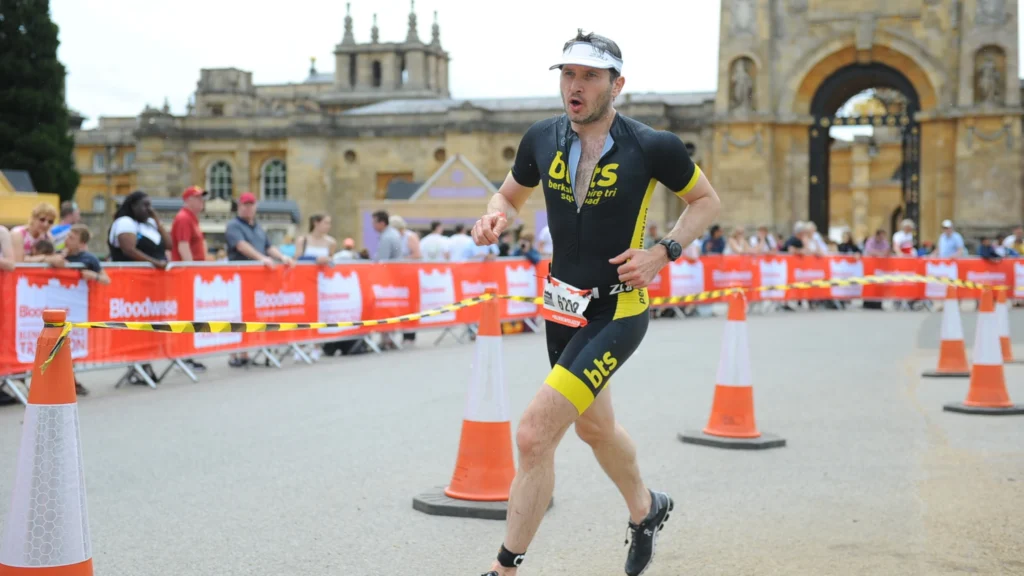
Another common error is neglecting transition practice. Use brick sessions to rehearse your race-day routine. Practice removing your helmet whilst jogging to the bike exit, switching from cycling shoes to running shoes efficiently, and finding your running cadence quickly.
Frequency matters too. One quality brick session per week is sufficient for most athletes. More isn’t always better, especially when balancing training loads for swimming, cycling, and running.
When to Schedule Brick Sessions
Timing your brick sessions strategically maximises their benefit whilst minimising fatigue. I prefer scheduling them midweek when motivation might be flagging – there’s something satisfying about completing a brick session that sets you up perfectly for the weekend.
Avoid scheduling brick sessions the day before long runs or hard cycling sessions. Your legs need time to recover from the combined stress of both disciplines.
TrainingPeaks coaches generally recommend including race-pace brick sessions in the final 2–3 weeks before your target event, then tapering intensity whilst keeping the movement pattern fresh closer to race day.
Making Brick Training Enjoyable
Brick sessions don’t have to be solo sufferfests. Training partners make everything more enjoyable and help maintain accountability. At Berkshire Tri Squad, our group brick sessions are among the most popular in the summer.
Vary your routes to keep things interesting. Cycling to different running locations adds an element of exploration to your training. Parks, trails, and scenic routes make the transition to running feel less mechanical and more adventurous.
Technology can enhance your brick sessions, too. Using GPS watches to track both disciplines separately helps monitor progress and identify areas for improvement.
Ready to Transform Your Transitions?
Brick training might seem daunting initially, but it’s genuinely one of the most rewarding aspects of triathlon preparation. There’s something magical about those moments when everything clicks – your legs adapt quickly to running, your pace feels controlled, and you realise you’ve cracked the transition code.
Start with the foundation session this week. Keep it simple, focus on the process rather than speed, and trust that your body will adapt. Before long, you’ll be flowing from bike to run like the seasoned triathlete you’re becoming.
Remember, every brick session is a building block towards your triathlon goals. Stack them consistently, and watch your race-day confidence soar.


Leave a Comment
You must be logged in to post a comment.