
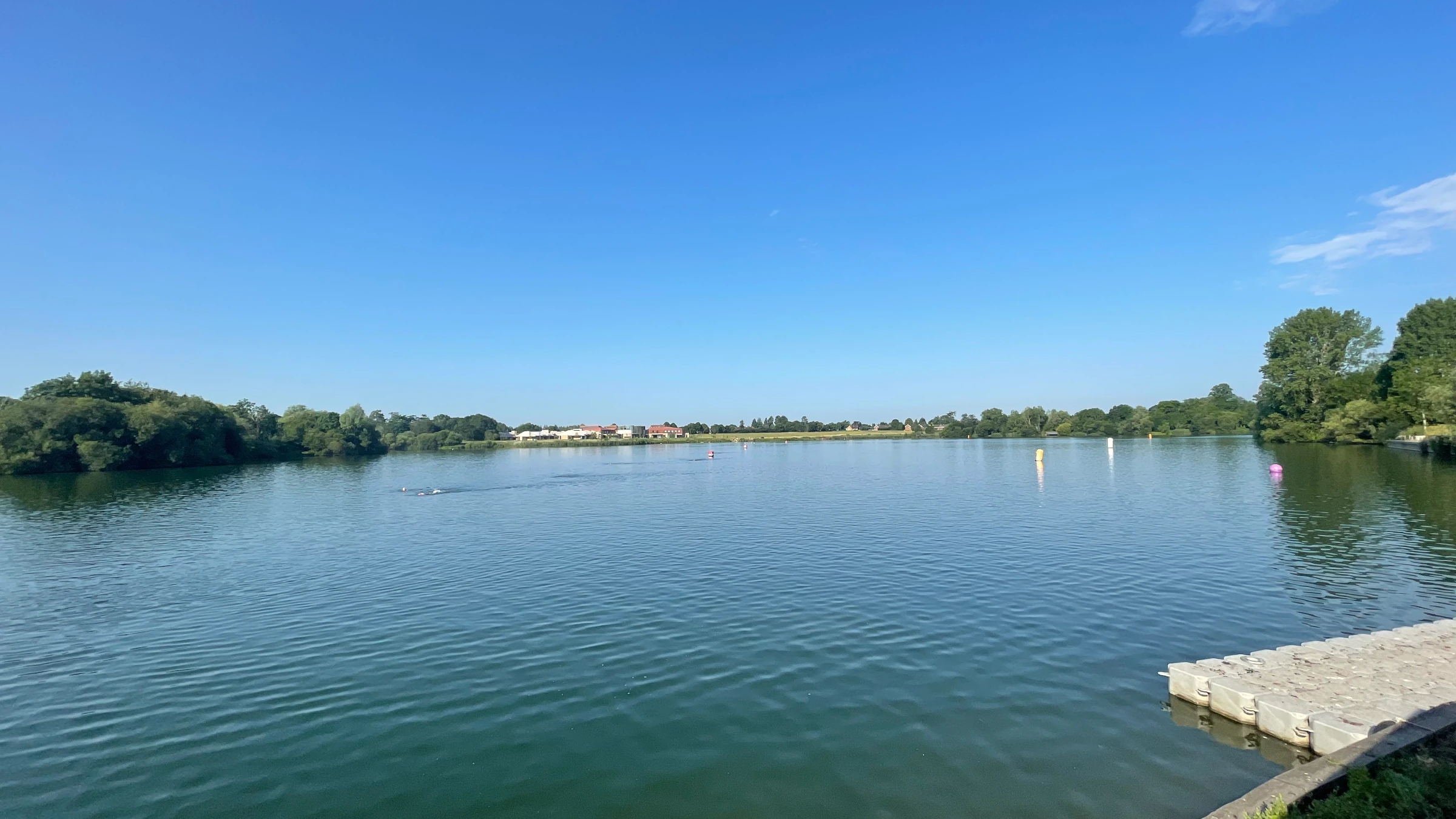
Race morning at a UK reservoir. Wetsuit on, goggles fogged, water the colour of old tea. You’ve hit every pool session for months. None of that stops the slight panic when the hooter goes, and suddenly there’s no black line to follow and someone’s hand is in your face.
Why Open Water Swimming Feels So Different
The physics alone make open-water swimming a completely different beast. Pool walls provide visual reference points and create calmer water conditions. In open water, you’re dealing with currents, wind chop, temperature variations, and zero visibility.
Your perfectly honed pool technique might not translate directly either. That smooth, rhythmic stroke you’ve perfected over 25-metre intervals suddenly needs to adapt to navigating around other swimmers, sighting buoys, and maintaining direction without lane ropes.
The psychological element is equally challenging. Many swimmers experience anxiety in open water, even strong pool swimmers. It’s completely normal, and with the right preparation, entirely manageable.
Building Your Open Water Foundation in the Pool
Before you even think about venturing into open water, there’s plenty you can do in the pool to prepare. These aren’t your standard technique drills but rather specific adaptations for open-water conditions.
Sighting Practice
Start incorporating sighting into your pool sessions. Every 6-8 strokes, lift your head slightly forward (not sideways) to spot an imaginary buoy. This initially disrupts your stroke rhythm, but that’s the point. You need to maintain efficiency even when sighting.
Try swimming lengths with your eyes closed for 10-15 strokes at a time. This builds confidence in swimming without visual references and improves your feel for staying straight in the water.
Stroke Rate Flexibility
Open water often demands different stroke rates than pool swimming. Practice swimming at various tempos within the same session. Swim 200m at your normal stroke rate, then 100m at a higher cadence, followed by 100m at a deliberately slower, longer stroke.
Drafting Practice
If you can train with others, practice swimming directly behind and slightly to the side of another swimmer. This simulates race-drafting conditions and helps you get comfortable with being in close proximity to other athletes.
Your First Open Water Sessions
When you’re ready to make the leap, choose your first open water venue carefully. Look for supervised swimming areas with calm conditions and good visibility. Many triathlon clubs run group open water sessions, which provide both safety and encouragement.
Start conservatively. Your first session should be about adaptation, not distance. Wade in gradually, letting your body adjust to the temperature. Even with a wetsuit, cold-water shock can be significant if you’re not prepared.
Begin with short swims between clearly visible landmarks. Swimming 50-100 metres to a pier or buoy and back gives you a clear objective and progressively builds confidence.
Mastering Open Water Navigation
Navigation is perhaps the most crucial skill that separates pool swimming from open water success. Swimming an extra 200 metres because you’ve gone off course can cost serious time on race day.
Develop a sighting rhythm that works for you. Some swimmers sight every 6 strokes, others every 10-12. The key is consistency and not disrupting your stroke too much. Lift your eyes just enough to see the landmark, not your entire head.
Use multiple reference points when possible. Don’t just aim for the turning buoy; pick a distinctive building or tree line behind it. If the sun is bright, buoys can disappear in the glare, but larger landmarks remain visible.
Practice swimming in a straight line by occasionally sighting backwards to your starting point. If you’re veering off course, you’ll spot it quickly and can adjust.
Dealing with Open Water Challenges
Choppy water requires technique adjustments. In rough conditions, your stroke needs to be slightly higher and more robust. Focus on getting your hand well clear of the waves on your catch, and don’t be afraid to adjust your breathing pattern.
Temperature management is crucial. Body temperature regulation becomes more complex in open water, especially during longer swims. Cold water can affect your stroke mechanics, making you feel sluggish and uncoordinated initially.
If you feel panicked or claustrophobic, don’t fight it. Stop, float on your back, and regain composure. Every experienced open water swimmer has been there. The feeling passes, and each exposure builds your confidence.
Race-Specific Open Water Training
As you become more comfortable, start incorporating race-specific elements. Practice your race-day warm-up routine in open water conditions. This might be different from your pool warm-up due to temperature and logistics.
Simulate mass starts by swimming in groups when possible. The washing machine effect of multiple swimmers starting together is intense, and experiencing it in training makes race day less daunting.
Practice your exit technique. Running through shallow water and transitioning from horizontal swimming to vertical running engages different muscles and can be surprisingly tiring.
The transition from pool to open water is one of the biggest challenges triathletes face, yet it’s often the last thing that gets time in a training plan. Speaking from experience: I’ve raced in everything from crystal-clear Mediterranean water to the rather less inviting reservoirs of the UK, and the mental and physical adjustment is real.
Building Progressive Confidence
Confidence in open water builds gradually through repeated exposure. Set small, achievable goals for each session. Maybe it’s swimming 200 metres further than last time, or practising sighting in slightly choppier conditions.
Keep a training log specifically for your open water sessions. Note conditions, distances, how you felt, and any improvements. Seeing your progress documented builds confidence and helps identify areas for continued focus.
Train in various conditions when safely possible. Calm lake swimming is lovely, but race day might serve up wind chop and murky water. Experiencing different conditions in training prevents nasty surprises on race day.
Safety Always Comes First
Never compromise on safety for the sake of training. Always swim with others or use a tow float for visibility. Check local conditions and water quality before entering. If something doesn’t feel right, trust your instincts and postpone the session.
Inform someone of your training plans, including expected duration and exit point. Mobile phones in waterproof cases provide additional security for solo training sessions.
Consider joining organised open water swimming groups or your local triathlon club’s swimming sessions. There’s safety in numbers, plus you’ll learn from more experienced swimmers.
Making the Transition Stick
The key to successful open water swimming training is consistency rather than intensity. Regular short sessions trump occasional epic swims when building comfort and technique.
Maintain your pool training alongside open water work. Pool sessions allow you to focus on pure technique and fitness without environmental distractions, while open-water sessions develop race-specific skills.
Remember that every professional triathlete started exactly where you are now. That first step into murky water feels daunting for everyone, but with progressive training and patience, open water swimming transforms from a source of anxiety into one of the most rewarding aspects of triathlon.
The freedom of swimming in natural water, the challenge of navigation, and the confidence that comes from mastering these skills makes every moment of preparation worthwhile. Your next race swim leg awaits, and with proper open water training, you’ll be ready to make it count.

Leave a Comment
You must be logged in to post a comment.