
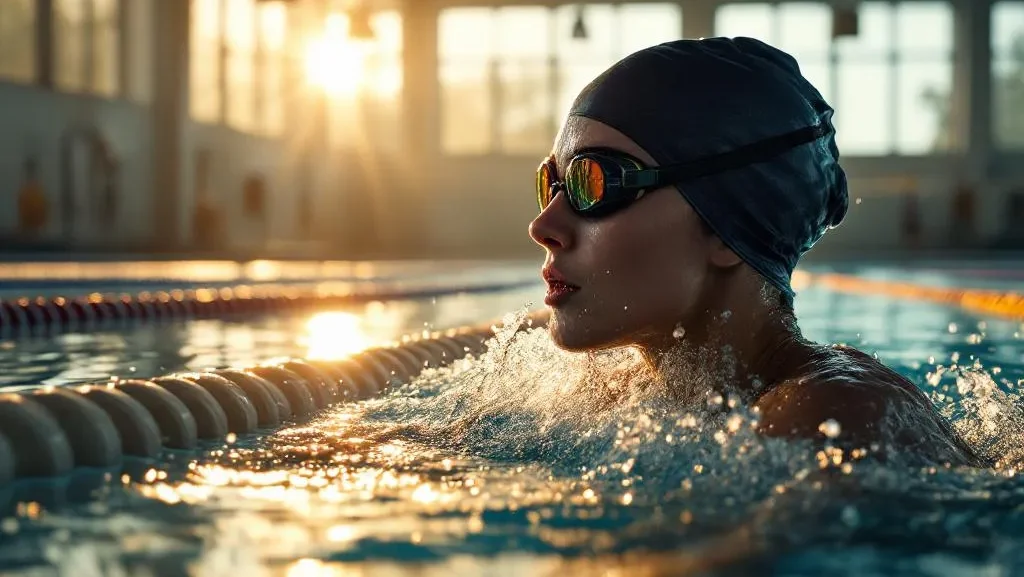
Triathlon Pool Training: Maximum Gains in Limited Lanes
The pool’s packed. You’ve got one lane to yourself for exactly 45 minutes, and you need to make every stroke count. Sound familiar? After years of squeezing meaningful triathlon pool training into busy public pools, I’ve learned that structured workouts beat endless lengths every single time. The difference between swimming and training is having a plan that builds the specific fitness you need for race day.
Triathlon pool training focuses on structured swimming workouts that develop the three key energy systems triathletes need: aerobic base, lactate threshold, and neuromuscular power. These targeted sessions maximise training adaptations in limited pool time while preparing you for the demands of race-day swimming.
Why Structured Pool Training Trumps Endless Lengths
Swimming 2,000 metres straight might feel productive, but it’s not optimal triathlon preparation. Your race demands vary dramatically – from the explosive start and positioning battles to sustained threshold efforts and final sprints to T1.
During my early triathlon days, I’d simply swim continuous lengths, thinking more distance meant better fitness. Then, my triathlon club (at the time) introduced me to structured sets, and everything changed. My 1,500m time trial dropped by nearly 2 minutes over 12 weeks, purely through targeted interval work.
Structured swimming workouts for triathletes target specific physiological adaptations. Short, fast intervals develop neuromuscular power for race starts. Threshold sets build your ability to hold race pace. Longer aerobic sets improve your base fitness and stroke efficiency under fatigue.
The Three-Zone Triathlon Pool Training System
Effective triathlon pool training revolves around three distinct zones, each serving a specific purpose in your racing toolkit.
Zone 1: Aerobic Base (Easy Effort)
This forms the foundation of your swimming fitness. Think conversational pace if you could chat while swimming. You should be able to maintain smooth, relaxed technique throughout these sets. Typically, 65-75% of your weekly pool volume should fall into this zone.
Zone 2: Lactate Threshold (Comfortably Hard)
This matches your sustainable race pace for Olympic distance and longer events. It’s that sweet spot where you’re working hard but could theoretically maintain the effort for 20-40 minutes. These sessions build your ability to hold a steady pace without accumulating excessive lactate.
Zone 3: Neuromuscular Power (Hard to Very Hard)
Short, fast efforts that develop speed and power. These replicate race starts, surges around buoys, and positioning battles. Recovery between intervals is crucial – you want to maintain quality throughout the set.
Sample 45-Minute Triathlon Pool Workouts
Threshold Builder (Total: 2,200m)
400m easy warm-up
4 x 100m build (25m easy, 25m moderate, 50m threshold)
Main set: 5 x 200m at threshold pace, 30 seconds rest
8 x 25m easy swimming, focusing on technique
200m easy cool-down
Speed Development (Total: 1,800m)
300m easy warm-up
6 x 50m as 25m build, 25m easy
Main set: 8 x 75m (25m fast, 50m easy recovery), 20 seconds rest
200m steady at aerobic pace
6 x 25m sprint, 15 seconds rest
200m easy cool-down
Aerobic Base Builder (Total: 2,500m)
500m easy warm-up with a mix of strokes
10 x 100m steady aerobic pace, 10 seconds rest
300m pull buoy set at a comfortable pace
500m continuous swim at a relaxed pace
4 x 50m easy kick
200m cool-down
Adapting Workouts to Lane Availability
Pool busy? Adjust your intervals to fit the available space. Instead of 200m repeats, break them into 4 x 50m with consistent rest. Can’t get wall space for rest? Try continuous swimming with pace changes every 25 or 50 metres.
Progressive Overload in the Pool
Like any effective training, your swimming workouts for triathletes need to be progressive. This doesn’t just mean swimming further – it means systematically increasing training stress through various methods.
Increase volume gradually, adding no more than 10% weekly distance. Reduce rest intervals between repeats to maintain intensity while building fitness. Add complexity by manipulating stroke rate or breathing pattern.
My coach Nathalie tracks the data — sessions are logged automatically via my Garmin and synced to TrainingPeaks. Since getting hit by a car, though, my swim training has been all over the place, so the numbers tell a messier story than I’d like. Understanding your lactate threshold can help you nail the correct intensities for Zone 2 work. A structured approach to swimming TSS helps quantify your pool training load and ensure appropriate recovery between sessions.
Equipment That Enhances Pool Training
You don’t need much gear for effective triathlon pool training, but a few key items can significantly enhance your sessions.
A reliable waterproof watch with interval timing is essential. I use mine for every set, maintaining consistent rest periods and tracking split times. Pull buoys isolate your upper body, allowing you to focus on stroke technique while building arm strength.
Fins occasionally help with body position during drill work, but use them sparingly – your race won’t include fins. Paddles can build strength, but must be used correctly to avoid shoulder injuries.
Kickboards have their place for specific kick sets, though I prefer swimming-specific movements that mirror your actual stroke mechanics.
Common Pool Training Mistakes to Avoid
The biggest error I see is training only in the middle zones – that uncomfortable but not quite hard enough pace that doesn’t target any specific adaptation. Your easy swimming should feel genuinely easy, allowing technical focus and recovery.
Similarly, your hard intervals should be genuinely challenging. Half-hearted efforts in Zone 3 sessions waste valuable training time and don’t provide the neuromuscular adaptations you’re seeking.
Poor pacing within sets undermines the intended stimulus. If your workout calls for 8 x 100m at threshold pace, the eighth repeat should match the first. Starting too aggressively leads to a dramatic drop in pace and missed training zones.
Skipping warm-up and cool-down might save time, but increases injury risk and reduces training quality. Even a 200m easy warm-up prepares your shoulders and cardiovascular system for the work ahead.
Measuring Pool Training Success
Regular time trials provide objective feedback on your swimming progress. I perform a 400m time trial monthly, tracking improvements in both speed and perceived effort at given paces.
Stroke count consistency indicates improved efficiency. Count strokes per length during steady-pace sets – maintaining the same count while swimming faster shows technical improvement.
Recovery between intervals also reveals fitness gains. If you previously needed 20 seconds rest between 100m repeats but now recover adequately in 15 seconds, your fitness has improved.
Pay attention to technique maintenance under fatigue. Quality swimmers hold good form throughout challenging sets, while technique breakdown indicates you’re exceeding appropriate training intensities.
Integrating Pool Work with Total Training Load
Your triathlon pool training doesn’t exist in isolation – it’s part of your complete training programme. Heavy bike or run sessions affect your swimming capacity, just as intense pool work impacts your other disciplines.
Schedule your hardest swimming sessions when you’re fresh, typically early in your training week. Easy swimming sessions work well as active recovery between harder bike or run workouts.
Consider your race calendar when planning pool training phases. Building swimming fitness takes time, so emphasise pool work during base training periods rather than close to key races.
The pool provides excellent cross-training during injury periods. When running or cycling isn’t possible, increased swimming volume maintains cardiovascular fitness while allowing healing.
Frequently Asked Questions
Structured triathlon pool training transforms limited lane time into powerful fitness gains. Focus on specific zones, maintain progression, and remember that every stroke should serve your racing goals. The pool might be crowded, but your training doesn’t have to be compromised.

Leave a Comment
You must be logged in to post a comment.