
Triathlon Bike Training: Indoor vs Outdoor Balance Guide
Last winter, I found myself staring at my bike trainer with the enthusiasm of someone about to file their tax return. After months of outdoor rides through Berkshire’s country lanes, the prospect of another two-hour indoor session felt soul-destroying. Yet when I finally nailed my indoor-outdoor training balance, my FTP jumped 15 watts in three months.
The key to effective triathlon bike training isn’t choosing between indoor and outdoor cycling—it’s finding the right balance for your goals, season, and circumstances. Both environments offer unique advantages that, when combined strategically, create stronger, more versatile cyclists.
Why Indoor Cycling Matters for Triathletes
Indoor cycling gets a bad reputation, often dismissed as boring or ineffective. After years of structured training and mastering my pain cave, I’ve learned that indoor sessions are where fitness breakthroughs happen. The controlled environment eliminates variables like weather, traffic, and terrain changes that can disrupt workout intensity.
Power intervals become laser-focused indoors. When I’m targeting 300 watts for a threshold session, I can hit that number precisely without worrying about hills, headwinds, pot holes, or traffic lights. This consistency builds the physiological adaptations that translate to stronger outdoor performance.
Temperature control is another massive advantage. During summer, I can put in hard effort without overheating, whilst winter sessions avoid the energy drain of battling cold conditions. Your body can focus entirely on the training stress rather than thermoregulation.
Time efficiency makes indoor training invaluable for busy schedules. A 90-minute structured session indoors delivers more training benefit than two hours of mixed-intensity outdoor riding. No warm-up miles, no cool-down commute—just pure, focused work.
The Irreplaceable Benefits of Outdoor Cycling
Outdoor riding develops skills that no amount of indoor training can replicate. Bike handling, cornering confidence, and descending technique only improve through real-world practice. These skills matter enormously in triathlon, where technical courses like IronMan Nice reward confident cyclists.
Mental resilience grows through outdoor challenges. Grinding into a 20mph headwind for an hour teaches patience and pacing that indoor sessions simply cannot. Weather variability, from scorching heat to driving rain, builds the adaptability essential for race day success.
Fuelling strategies must be practised outdoors. Indoor sessions rarely last long enough to properly test race nutrition. My longest indoor session tops out around 2.5 hours (with the exception of crazy challenges), but ironman bike splits require 5-6 hours of sustained effort. Outdoor rides teach your gut to process nutrition whilst maintaining power output.
Research published in Medicine & Science in Sports & Exercise found that muscle coordination during outdoor cycling varies with terrain, with muscle activity patterns shifting significantly with gradient, cadence, and power output. Those constant real-world demands appear to drive neuromuscular adaptations that are difficult to replicate fully on a static indoor trainer.
Seasonal Training Balance Strategies
Winter shifts the balance heavily towards indoor training in the UK. From November through February, I typically aim for 70% indoor, 30% outdoor sessions. Indoor workouts handle all structured intervals—VO2max efforts, threshold work, and sweet spot sessions. Outdoor rides focus on building endurance and maintaining bike-handling skills during decent weather windows.
Spring transitions towards a 50-50 balance as daylight returns and temperatures improve. March and April become perfect for longer outdoor rides that bridge winter fitness gains with summer race preparation. This period tests your indoor fitness gains against real-world conditions.
Summer flips to 70% outdoor riding for most athletes. Long course preparation demands hours in the saddle under race-like conditions. However, I maintain indoor sessions to manage heat on the hottest days and when time constraints demand efficiency.
Autumn offers the best of both worlds with mild temperatures and stable weather. This 60% outdoor, 40% indoor split allows extensive outdoor riding whilst using indoor sessions to maintain intensity as motivation for hard outdoor efforts begins to wane.
Structured Workout Distribution
High-intensity intervals work better indoors for most athletes. VO2max efforts, lactate threshold intervals, and neuromuscular power development benefit from the controlled environment. When targeting specific power outputs or heart rate zones, indoor precision eliminates guesswork.
Endurance and aerobic base building suit outdoor riding perfectly. These sessions require 2-4 hours of moderate intensity—exactly what enjoyable outdoor rides naturally provide. The mental stimulation of changing scenery makes time pass quickly during long aerobic efforts.
Recovery rides are split evenly between environments. Indoor recovery allows complete control over intensity, ensuring truly easy efforts that promote adaptation. Outdoor recovery rides provide mental refreshment and variety in movement that aid psychological recovery.
Race simulation demands outdoor specificity. Practising transitions, nutrition timing, and pacing strategies requires real-world conditions. My best outdoor sessions often simulate race segments with appropriate intensity distribution.
Plant-Based Fuelling for Extended Indoor Sessions
Longer indoor sessions present unique nutritional challenges for plant-based athletes. The static position and controlled temperature can affect digestion differently from outdoor riding. Sweat rates often increase indoors due to reduced airflow, making careful hydration management essential.
I’ve found that dates stuffed with almond butter work brilliantly for indoor sessions over 90 minutes. They’re easy to digest, provide sustained energy, and don’t require unwrapping whilst pedalling. Banana slices with a pinch of sea salt offer quick-absorbing carbohydrates when intensity demands immediate fuel.
Electrolyte replacement becomes critical during indoor training. Without natural cooling from wind, sodium losses increase significantly. I typically consume 200-300mg of sodium per hour during indoor sessions, compared to 150-250mg outdoors. Quality electrolyte supplements maintain performance throughout extended trainer sessions.
Pre-session nutrition timing requires adjustment indoors. The immediate workout start means less time for food settling compared to outdoor rides with warm-up miles. I typically eat 2-3 hours before indoor sessions versus 1-2 hours for outdoor rides.
Technology and Equipment Considerations
Smart trainers revolutionise indoor training effectiveness. Direct-drive trainers like those from Wahoo or Tacx provide accurate power measurement and realistic road feel. The investment pays dividends through improved workout quality and reduced trainer fatigue.
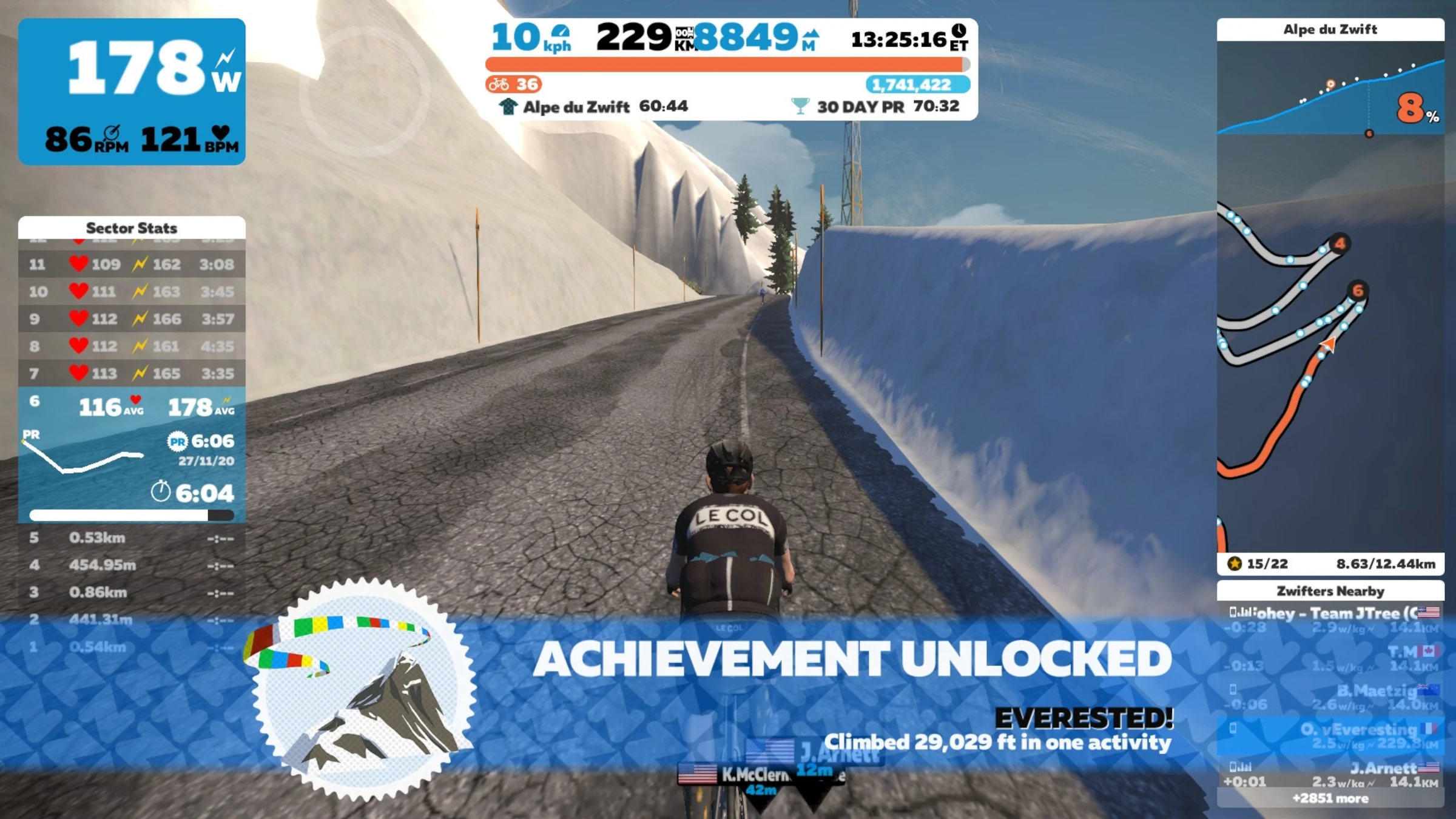
Entertainment and motivation become crucial for indoor success. I’ve found that structured workout apps like TrainerRoad or Zwift gamify indoor sessions effectively. Music, podcasts, or videos help longer endurance efforts pass more quickly.
Ventilation cannot be overlooked. Multiple strategically positioned fans prevent overheating, which degrades performance and makes sessions miserable. I run two large fans—one aimed at my torso, another at my legs—during any session over 60 minutes.
Outdoor equipment focuses on safety and performance monitoring. Reliable lights, quality tyres, and weather-appropriate clothing enable consistent outdoor training. GPS computers track outdoor metrics that complement indoor power data for complete training analysis.
Making the Balance Work Practically
Weekly planning integrates both environments strategically. I schedule indoor sessions for weekday evenings when daylight and time are limited. Weekend mornings typically favour outdoor rides when traffic is lighter, and the weather is often better.
Backup plans ensure training consistency. Every outdoor session needs an indoor alternative for when the weather turns inclement or mechanical issues arise. Flexibility prevents missed sessions, which can derail training progression.
Social considerations balance solo indoor focus with group outdoor rides. Club runs and training partners provide motivation and accountability that indoor sessions lack. However, solo indoor work allows complete focus on specific training adaptations.
Recovery and freshness guide daily decisions. Some days, the mental break of outdoor riding outweighs the physiological precision of indoor training. Listening to your body and mind ensures long-term training sustainability.
Frequently Asked Questions


Leave a Comment
You must be logged in to post a comment.