
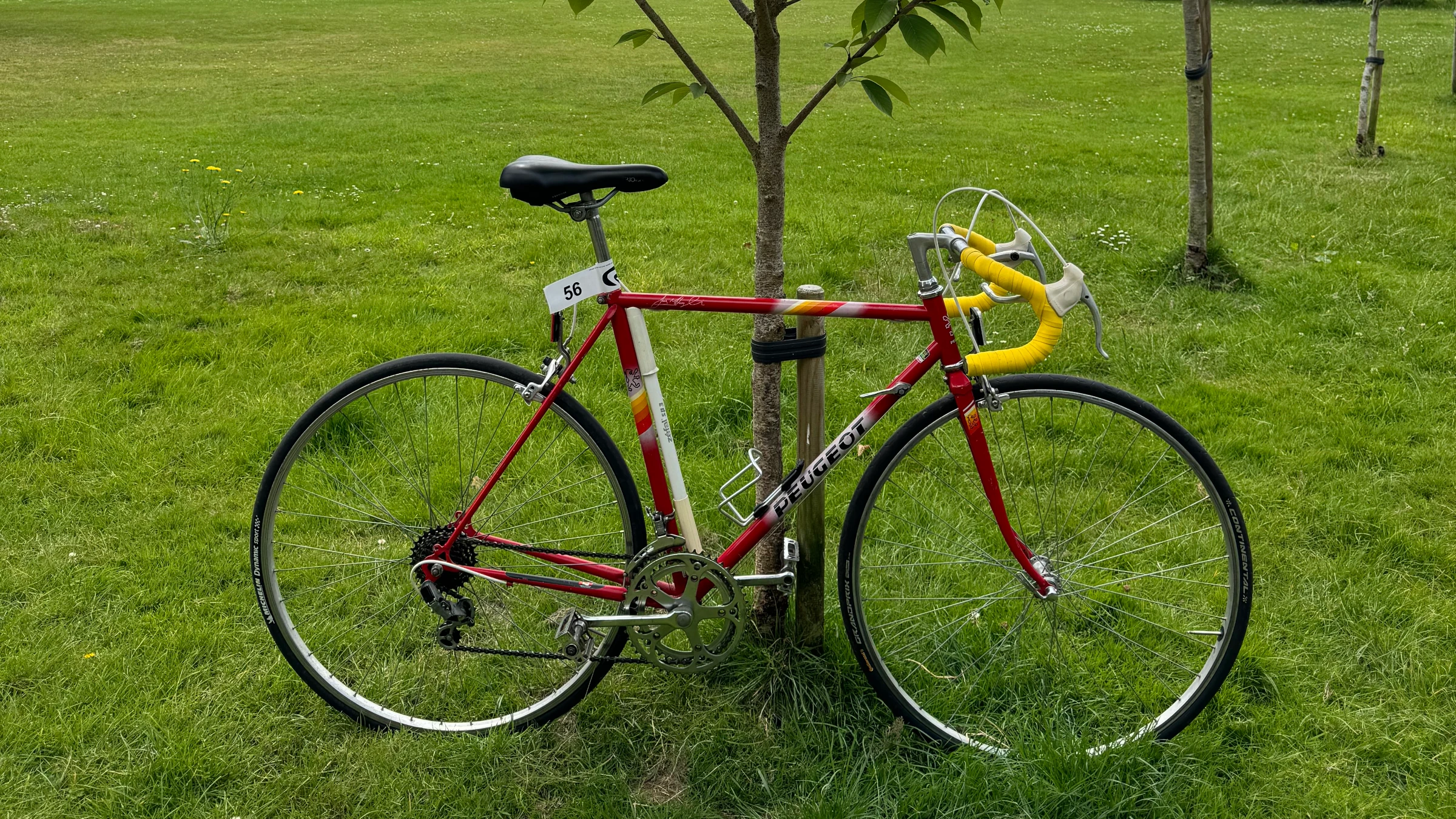
Picture this: you’re racked and ready for your big race, feeling confident after months of training. You hop on your bike for the first few pedal strokes and… clunk, grind, slip. That’s the sound of poor maintenance coming back to haunt you at the worst possible moment.
I’ve been racing triathlon for years now, and if there’s one thing that separates smooth race days from mechanical nightmares, it’s consistent bike maintenance. Your bike is the workhorse of triathlon – it carries you through the longest leg of the race and can make or break your performance.
Proper triathlon bike maintenance isn’t rocket science, but it does require a systematic approach. Today I’ll walk you through everything you need to know to keep your trusty steed purring like a contented cat.
Why Triathlon Bike Maintenance Matters More
Triathlon bikes face unique challenges compared to regular road bikes. We’re constantly transitioning between swim and bike in wet conditions, often racing in variable weather, and pushing our equipment to its limits during training and racing.
The aerodynamic position puts different stresses on components, and many of us are logging serious miles across different terrains. Add in the fact that mechanical issues during a race can’t be easily resolved (no friendly bike shop on the course!), and you’ll understand why maintenance becomes absolutely critical.
Regular maintenance isn’t just about avoiding race-day disasters, either. A well-maintained bike is more efficient, safer, and will save you money in the long run by preventing premature wear.
Essential Tools for Home Bike Maintenance
Before diving into the maintenance tasks, let’s talk tools. You don’t need a professional workshop, but having the right equipment makes everything easier and more effective.
Start with a good bike stand. It’s a game-changer for any maintenance work. Add a basic tool kit including Allen keys (4mm, 5mm, and 6mm are most common), a chain tool, tyre levers, and a decent pump with a pressure gauge.
For cleaning, invest in bike-specific cleaners and degreasers. These are formulated to be effective without damaging components. You’ll also want various brushes: a large soft brush for the frame, smaller brushes for intricate areas, and an old toothbrush works brilliantly for detailed work. I personally would recommend products from Muc-Off.
Finally, stock up on lubricants: chain oil for dry and wet conditions, and general-purpose grease for threaded components. Quality matters here. Cheap lubricants often attract more dirt than they repel.
Weekly Cleaning Routine
Consistency beats intensity when it comes to bike maintenance. A weekly cleaning routine takes about 20 minutes but prevents buildup that can lead to expensive problems.
Start by giving your bike a visual inspection. Look for any obvious damage, check that wheels spin freely, and ensure brakes are functioning properly. This quick health check often reveals issues before they become serious problems.
Next, clean the frame and components. Use bike-specific cleaners rather than household products. Washing-up liquid might seem economical, but it can strip protective treatments from components. Work from top to bottom, paying attention to areas where dirt accumulates.
The drivetrain deserves special attention. Degrease the chain, cassette, and chainrings using appropriate solvents and brushes. This removes the gritty paste that forms when oil mixes with road dirt – the stuff that wears components faster than anything else.
After cleaning, dry everything thoroughly. Water trapped in bearings or cable housing causes corrosion and poor performance. Take particular care around the bottom bracket, headset, and wheel hubs.
Chain Care and Drivetrain Maintenance
Your chain is the hardest-working component on your bike, transferring every watt of power from your legs to the rear wheel. Proper chain maintenance is absolutely crucial for performance and component longevity.
Check chain wear regularly using a chain checker tool. Chains stretch over time, and a worn chain will rapidly destroy your cassette and chainrings. Replace chains before they reach 0.5% stretch for optimal performance.
Lubrication technique matters enormously. Apply lubricant to the inside of the chain while slowly backpedalling. Let it penetrate for a few minutes, then wipe excess oil from the outside of the chain. The goal is lubricated internals without a sticky exterior that attracts dirt.
Choose your lubricant based on conditions. Wet lubes last longer in rainy conditions but attract more dirt. Dry lubes stay cleaner but need more frequent application. In my experience, most of us benefit from dry lubes with more regular reapplication.
Don’t forget the rest of the drivetrain. Keep your cassette and chainrings clean, and occasionally check that your derailleur hanger is straight. A bent hanger affects shifting performance and can cause expensive damage if ignored.
Brake System Maintenance
Reliable braking is non-negotiable for safety, yet brake maintenance is often overlooked until problems become obvious. Regular attention keeps you safe and maintains consistent performance.
For rim brakes, inspect pads regularly for wear and embedded debris. Worn pads reduce braking power and can damage rims. Clean pads occasionally with a mild degreaser to remove rubber buildup and small stones.
Check rim wear if you’re using rim brakes. Most rims have wear indicators. Small dimples or grooves that disappear as the rim wears. Replace wheels before the rim wears through completely.
Disc brakes require different attention. Keep rotors clean using isopropyl alcohol or specific disc brake cleaners. Contaminated rotors cause squealing and reduced power. Pads should be checked for wear, and the system occasionally needs bleeding to maintain a firm lever feel.
Cable tension affects both rim and disc brake performance. If levers feel spongy or pull too far before engaging, adjustment is needed. This is often a simple barrel adjuster tweak, but don’t hesitate to seek professional help if you’re unsure.
Tyre Pressure and Wheel Care
Proper tyre pressure is one of the simplest yet most impactful maintenance tasks. Check pressure before every ride. Tyres lose air naturally, and correct pressure affects rolling resistance, comfort, and puncture protection.
Higher pressure isn’t always better. Modern research suggests slightly lower pressures often provide better rolling resistance and comfort without significantly increasing puncture risk. Start with manufacturer recommendations and adjust based on your weight, road conditions, and personal preference.
Inspect tyres regularly for wear, cuts, or embedded debris. Small stones and glass can work their way through the tyre over time, causing delayed punctures. Remove debris carefully with appropriate tools.
Wheel maintenance involves checking spoke tension and hub bearings. Wheels should spin freely without wobbles or grinding sounds. Loose spokes create weak points that can lead to wheel failure, while tight hubs waste energy and wear prematurely.
Seasonal Deep Maintenance
Beyond weekly cleaning, your bike needs periodic deeper maintenance. I typically do this seasonally, or after particularly harsh conditions like beach races, where salt exposure demands extra attention.
A seasonal service involves completely cleaning and inspecting all components. Remove wheels, clean the frame thoroughly, and check all bolts for proper tightness. This is when you might notice wear that isn’t obvious during regular cleaning.
Cable and housing replacement should happen annually or when performance degrades. Fresh cables dramatically improve shifting and braking precision. While you’re at it, clean and grease threaded components like pedals, seat posts, and stem bolts.
Consider professional help for complex tasks like bearing services, suspension maintenance, or hydraulic brake bleeding. These jobs require specific tools and expertise that most home mechanics don’t possess.
Pre-Race Maintenance Checklist
Race preparation deserves special mention because mechanical issues during competition are particularly frustrating. Develop a pre-race routine that ensures everything is perfect before you toe the start line.
A few days before racing, perform a thorough inspection and address any issues you discover. This timing allows for parts ordering or professional service if needed, without last-minute stress.
Check that all bolts are properly tightened using a torque wrench if possible. Pay particular attention to stem bolts, seat post clamps, and brake calliper bolts. These are safety-critical and can cause serious accidents if they fail.
Test your gears thoroughly to ensure smooth shifting across the entire range. Don’t wait for the day before the race, as I did in Cascais. Clean and lubricate the chain, check tyre pressure, and verify that brakes engage properly. A quick test ride confirms everything is working harmoniously.
Pack a basic toolkit and spares for race day. Even with perfect preparation, mechanical issues can occur. Knowing you’re prepared for common problems provides confidence and might save your race if something does go wrong.
Storing Your Bike Properly
How you store your bike between rides significantly affects its condition. Proper storage prevents problems and considerably extends component life.
Keep bikes in a dry, temperature-stable environment when possible. Garages are often better than sheds due to temperature stability, but avoid areas prone to condensation. Moisture is the enemy of bearings, cables, and metal components. I would recommend spending some money on a good dehumidifier.
Hang bikes by the frame or wheels rather than resting them on tyres for extended periods. This prevents flat spots developing in tyres and reduces stress on wheel bearings.
For long-term storage, slightly reduce tyre pressure, clean the bike thoroughly, and apply protective lubricants to the chain and other metal components. Consider removing batteries from electronic components to prevent corrosion.
When to Seek Professional Help
While many maintenance tasks are within reach of home mechanics, knowing your limits is crucial. Professional mechanics have specialised tools and experience that make certain jobs much safer and more effective.
Anything involving bearing services, wheel building, or hydraulic systems typically requires professional attention. The British Cycling website can help you find qualified mechanics in your area.
Safety-critical components deserve extra caution. If you’re unsure about brake adjustments, steering components, or wheel integrity, seek professional advice. The cost of a professional service is insignificant compared to the potential consequences of component failure.
Don’t view professional servicing as a failure of your maintenance routine. Even with excellent home care, periodic professional attention ensures everything remains in optimal condition and can catch issues you might miss.
Regular triathlon bike maintenance might seem like another item on your already busy training schedule, but it’s an investment that pays dividends. A well-maintained bike is faster, safer, more reliable, and more enjoyable to ride.
Start with the basics – weekly cleaning and regular chain care will handle 90% of your maintenance needs. Build confidence with simple tasks before progressing to more complex procedures, and don’t hesitate to seek help when needed.
Remember, every minute spent on maintenance is time invested in better training rides and race day confidence. Your bike works hard for you – return the favour with consistent, thoughtful care, and it’ll serve you faithfully through countless miles of good bike rides and successful races.





Leave a Comment
You must be logged in to post a comment.