
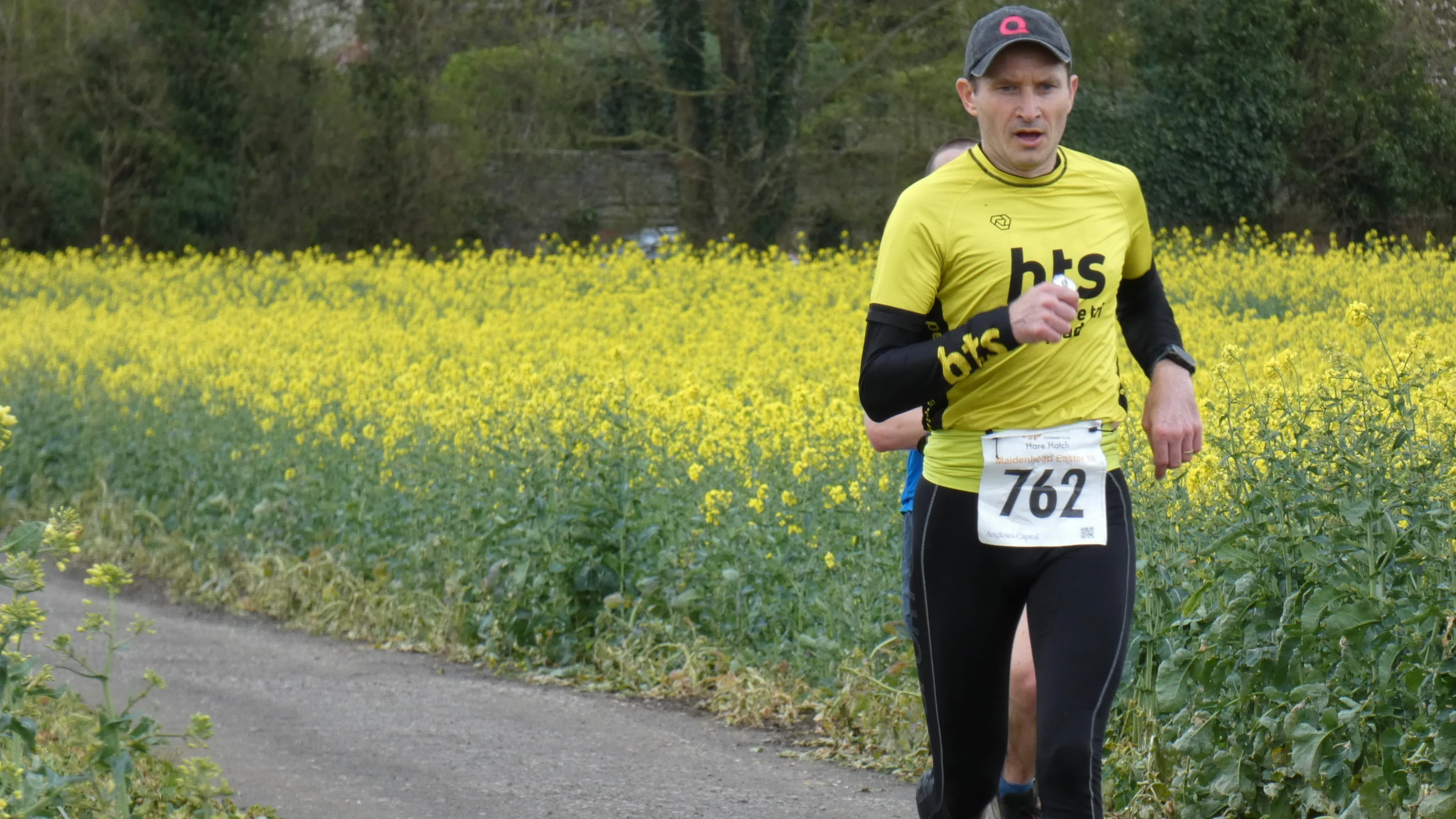
Standing at the start line of my first half-marathon years ago, I remember watching other runners warming up and thinking they all looked so effortless. Meanwhile, I felt like I was fighting my own body with every stride. Fast forward through countless training runs and races, and I’ve discovered that running form isn’t just about looking graceful. It’s the foundation of efficient, injury-free running that can genuinely transform your performance.
Whether you’re new to triathlon or chasing a personal best, proper running form technique is your secret weapon for unlocking speed whilst staying healthy.
Why Running Form Actually Matters
Poor running form isn’t just inefficient, it’s expensive. Every wasted movement costs you energy, and over the course of a 10K, half-marathon, or triathlon run leg, that adds up to minutes on your finish time.
Good form dramatically reduces your risk of injury. When your body moves as it’s designed to, you distribute impact forces properly rather than overloading certain joints or muscles. This becomes crucial when you’re building up mileage for longer distances.
The beauty of focusing on technique is that improvements happen quickly. Small adjustments to your posture or cadence can yield immediate results in how you feel during and after runs.
The Foundation: Posture and Body Position
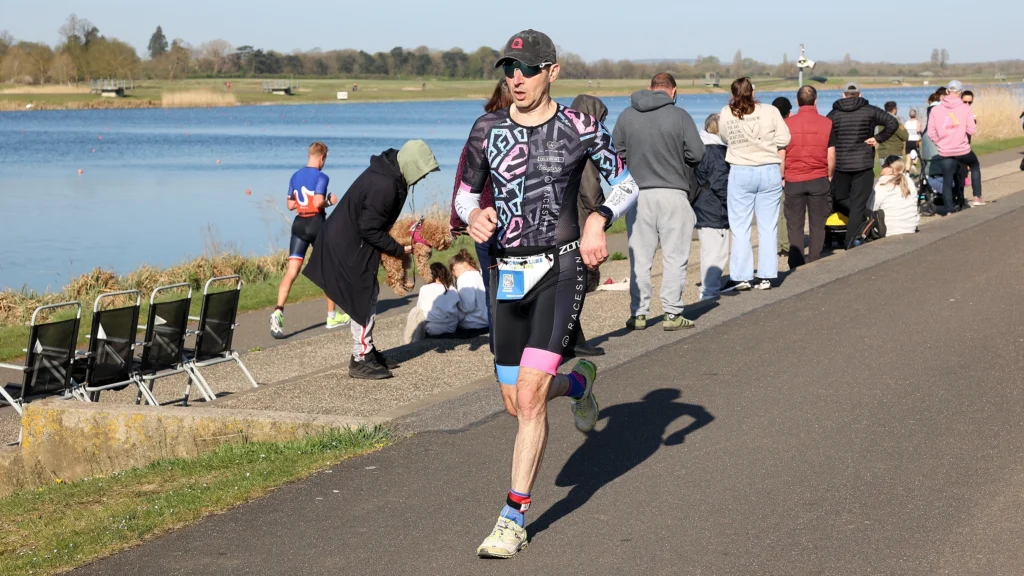
Start from the top down. Your head should sit naturally over your shoulders, eyes looking about 10-15 metres ahead rather than down at your feet. This keeps your neck neutral and prevents that forward head position that creates tension.
Your torso wants to have a slight forward lean – but here’s the key – the lean comes from your ankles, not your waist. Think of yourself as a straight line tilting forward slightly, rather than bending at the hips. This puts gravity to work for you.
Arms play a bigger role than most people realise. Keep them relaxed, bent at roughly 90 degrees, swinging naturally from your shoulders. Your hands should stay loose. Imagine you’re holding a crisp that you don’t want to crush. Tension in your arms travels up to your shoulders and neck, wasting precious energy.
Foot Strike and Ground Contact
The eternal debate: heel strike, midfoot, or forefoot? Here’s what matters most: your foot should land under your centre of gravity, not out in front of you. Overstriding, regardless of which part of your foot hits first, acts like a brake with every step.
Focus on a quick, light ground contact. Your foot should kiss the ground rather than pound it. This reduces impact forces and helps maintain momentum. Think about pulling your foot up and back rather than pushing off. It encourages that lighter, more efficient contact.
According to research published in the Journal of Sports Sciences, runners who focus on increasing their step rate whilst maintaining the same pace typically see improvements in running economy and reduced injury risk.
Cadence: Finding Your Rhythm
Cadence – your steps per minute – is one of the most actionable aspects of running form. Most recreational runners have a cadence that’s too slow, leading to overstriding and inefficient movement.
Elite runners typically maintain cadences around 180 steps per minute, but don’t jump straight to that number if you’re currently at 160. Increase gradually by 5% every few weeks. Count your steps for 30 seconds, then multiply by 2, or use a running watch that automatically tracks cadence.
Higher cadence naturally reduces overstriding and ground contact time. It might feel choppy at first, but stick with it. Your body will adapt, and the efficiency gains are worth the initial awkwardness.
Breathing Technique
Breathing seems automatic until you start thinking about it during a hard effort. The goal is rhythmic, relaxed breathing that supplies your muscles with oxygen without creating tension.
Most runners naturally fall into a 2:2 pattern (two steps breathing in, two steps breathing out) at moderate efforts, shifting to 2:1 or even 1:1 during harder running. Don’t force a specific pattern; let your effort level dictate your breathing rhythm.
Focus on exhaling fully rather than gasping for more air. Complete exhalation naturally triggers a deeper inhale, improving oxygen exchange without creating panic breathing.
Drills to Improve Your Form
High knees help develop proper knee drive and encourage quicker cadence. Do them for 20-30 seconds, focusing on lifting your knees whilst maintaining good posture. Don’t lean back – stay tall.
Butt kicks improve hamstring engagement and heel recovery. Again, stay upright and let your heels come up naturally towards your glutes. The emphasis is on the pulling motion, not kicking.
Strides are my favourite form of drill. After an easy run, do 4-6 accelerations of about 100 metres, gradually building from easy pace to about 85% effort, then gradually slowing down. Focus on smooth, efficient movement rather than all-out sprinting.
Fuelling Your Form Practice
Running form requires energy and concentration. For those form-focused sessions, I’ve found plant-based nutrition particularly effective for maintaining steady energy levels without digestive issues.
A banana with a small amount of nut butter about 30 minutes before form work provides quick-digesting carbs for energy. Post-session, focus on high-protein recovery options, such as a plant protein smoothie, to support muscle adaptation.
Stay properly hydrated during form work. Poor hydration affects concentration and muscle function, making it harder to maintain good technique when fatigue sets in.
Common Form Mistakes to Avoid
Overstriding remains the biggest culprit for inefficient running. If you can hear your feet slapping the ground loudly, you’re likely overstriding. Focus on quicker, lighter steps landing under your body.
Crossing over your body’s midline with your arms wastes energy and can cause rotation through your torso. Keep your arm swing straight forward and back, not across your body.
Bouncing up and down instead of moving forward is another energy waster. Your movement should be primarily horizontal. Excessive vertical oscillation looks impressive, but doesn’t make you faster.
Making Changes Stick
Form changes take time to become automatic. Start by focusing on one element at a time – perhaps cadence for two weeks, then posture for the next two weeks. Trying to change everything at once usually results in changing nothing permanently.
Easy runs are perfect for form work because you can concentrate on technique without the distraction of hard breathing or muscle fatigue. Save your tempo runs and intervals for maintaining current form rather than trying to implement changes.
Video analysis can be incredibly helpful. Have someone film you running from the side and from behind. Often, what we think we’re doing and what we’re actually doing are quite different.
When to Seek Professional Help
If you’re dealing with recurring injuries or feel like you’ve plateaued despite consistent training, a running gait analysis might be worthwhile. Many physiotherapists and running specialists offer video analysis services that can identify specific issues in your form.
Don’t expect overnight transformations. Form improvements are like fitness gains – they happen gradually with consistent practice. Be patient with yourself as your body adapts to more efficient movement patterns.
Putting It All Together
Good running form isn’t about looking like an elite athlete – it’s about moving efficiently and staying healthy. Every runner’s optimal form will look slightly different based on their build, flexibility, and running background.
Start with the basics: posture, cadence, and relaxed movement. Build these foundations before worrying about advanced techniques. Remember that mobility work supports good form by ensuring your body can move through the ranges of motion required for efficient running.
Most importantly, be consistent with your form focus. Five minutes of attention to technique during each run will yield better results than one perfect form session followed by weeks of sloppy running.
Good running form is an investment that pays dividends every time you lace up your shoes. Whether you’re chasing a new personal best or simply want to enjoy running more, the techniques in this guide will help you move more efficiently and confidently towards your goals. Start with small changes, be patient with the process, and enjoy discovering just how good running can feel when everything clicks into place.


Leave a Comment
You must be logged in to post a comment.