
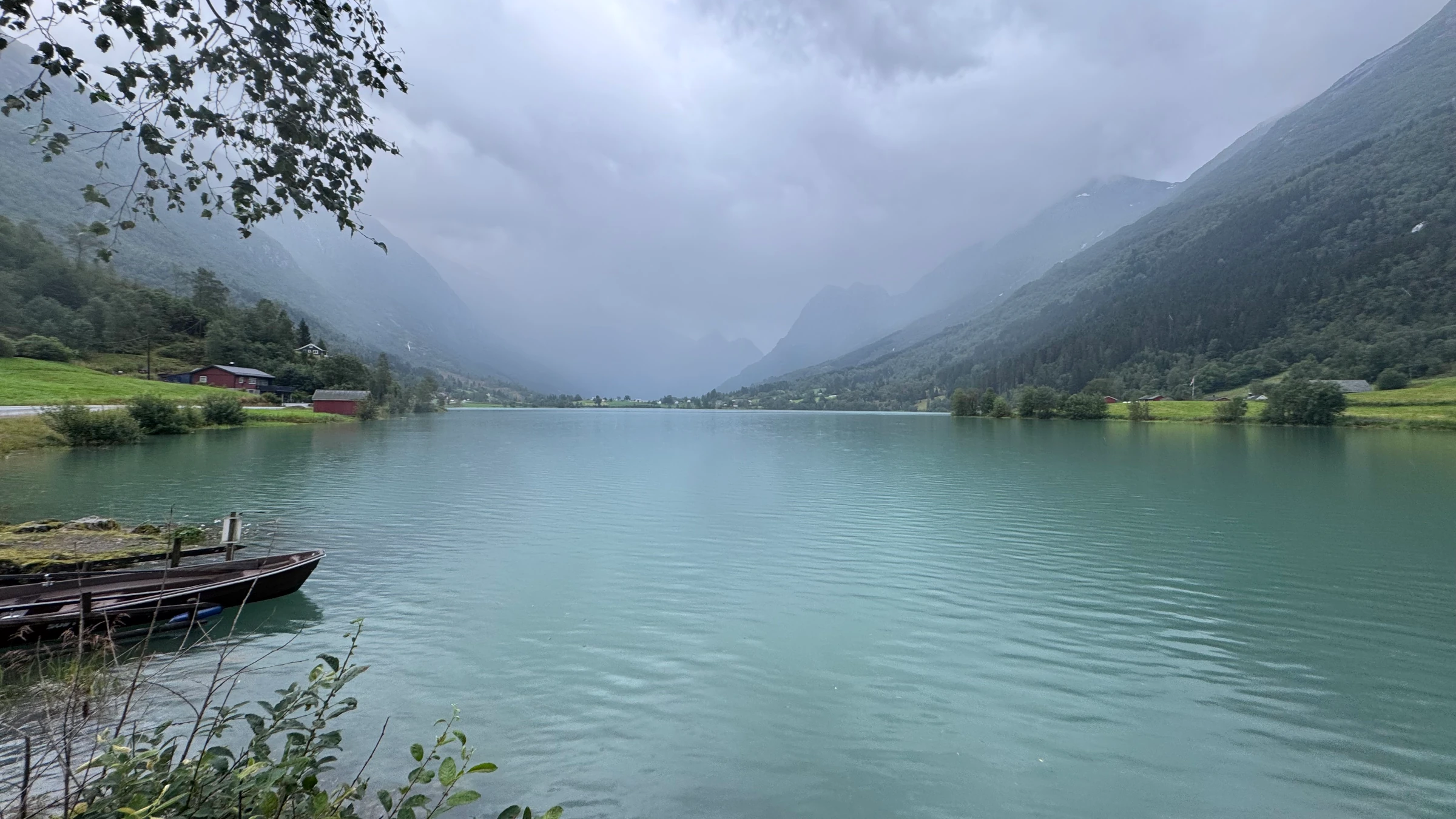
There’s nothing quite like the shock of diving into 8°C water on a February morning. Your body screams at you to get out, but something magical happens when you stay in. You discover a mental strength you never knew existed.
Cold water swimming isn’t just about being tough. It’s about rewiring your brain to handle discomfort and building resilience that transfers directly to race-day performance. When you’re suffering in the final kilometres of an Ironman run, that voice saying “I can handle this” comes from hours spent in cold water.
The Science Behind Cold Water Adaptation
When you first hit cold water, your body launches into panic mode. Heart rate spikes, breathing becomes rapid and shallow, and every instinct tells you to escape. This is the cold shock response, and it’s completely normal.
Regular cold water exposure teaches your nervous system to calm this response. Research shows that cold water immersion triggers the release of norepinephrine, a neurotransmitter linked to stress regulation and emotion-related circuits (Psychiatry Online) — and there’s evidence it may help reduce inflammation, too.
Your cardiovascular system adapts too. Blood vessels learn to constrict and dilate more efficiently, improving circulation. This enhanced vascular response helps with body temperature regulation during intense training and racing.
Mental Training in Every Stroke
Cold water swimming is meditation with consequences. You can’t let your mind wander because discomfort demands attention. This forced mindfulness trains you to stay present under pressure.
Each session becomes a masterclass in self-talk. Instead of “This is horrible, I need to get out,” you learn to think “This feeling will pass, I can control my response.” That mental shift is pure gold on race day when things get tough.
The confidence boost is remarkable, too. When you’ve voluntarily spent 20 minutes in 6°C water, a challenging swim leg in a wetsuit feels manageable. You’ve already proven to yourself that you can handle serious discomfort.
Building Your Cold Water Practice
Start conservatively. Even experienced swimmers need time to adapt safely. Begin with short exposures in moderately cold water, perhaps 12-15°C, for just 2-3 minutes.
Focus on controlling your breathing first. The initial gasp reflex is your biggest challenge. Practice slow, controlled breathing before you enter, then maintain that rhythm in the water. Panic breathing wastes energy and increases heat loss.
Never swim alone in cold water. Always have someone watching from shore or swimming with you. Hypothermia affects judgment, so having a buddy system isn’t optional.
Gradually increase exposure time and decrease water temperature. Your body adapts remarkably quickly. Within 2-3 weeks of regular sessions, water that initially felt unbearable becomes refreshing.
Winter Swim Training Benefits
Cold water swimming transforms your relationship with winter training. Instead of dreading cold months, you start looking forward to them. There’s something deeply satisfying about maintaining fitness while others retreat indoors.
Your immune system gets stronger, too. Regular cold exposure appears to increase white blood cell production, potentially reducing the frequency of illness during heavy training periods.
The metabolic benefits are impressive. Cold water swimming burns significant calories as your body works to maintain core temperature. It’s like adding a metabolic furnace to your training arsenal.
Swimming technique often improves in cold water. You naturally become more efficient because wasted movement equals wasted heat. This efficiency carries over to swimming in warmer water.
Race Day Confidence Builder
Nothing builds race-day confidence quite like cold-water swimming. When you’re standing on a beach in Cornwall facing choppy 14°C water, having trained in colder conditions gives you a massive psychological advantage.
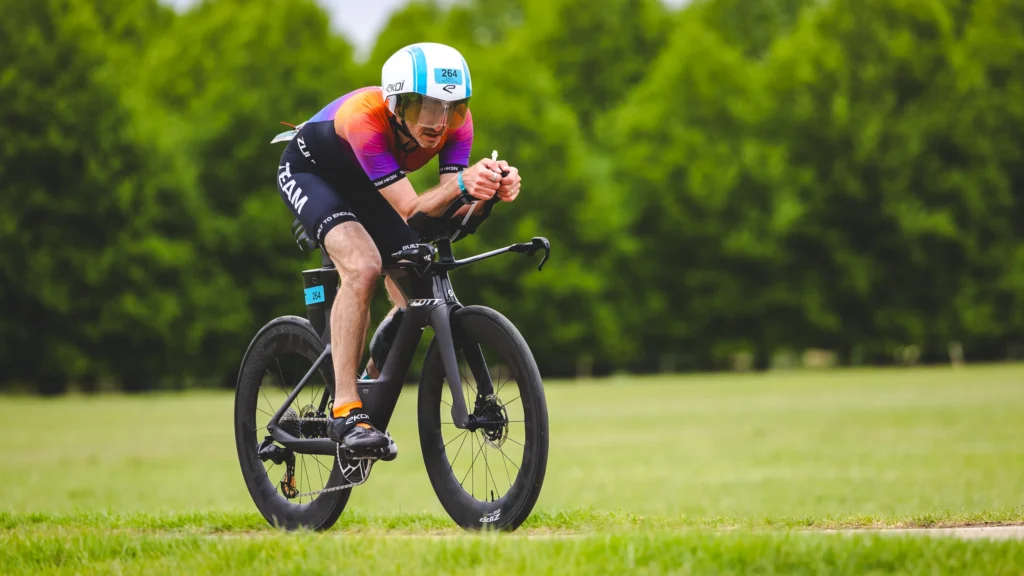
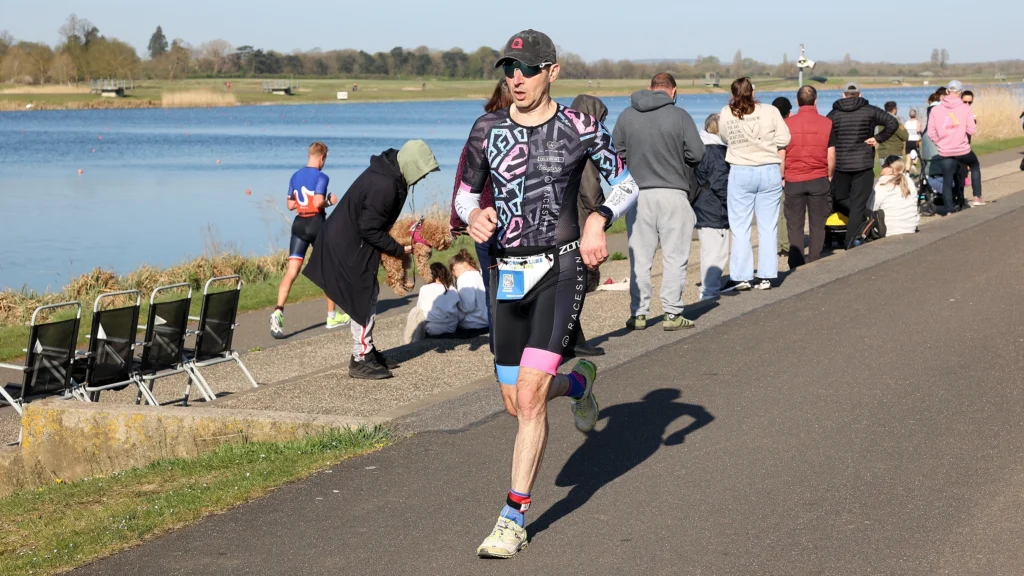
Your triathlon performance benefits extend beyond swimming, too. The mental toughness developed transfers to cycling, including headwinds, and to running through pain barriers.
Temperature shock becomes much less of an issue. Many triathletes struggle when water temperatures are colder than expected. Regular cold water swimmers adapt quickly to any conditions.
Safety First, Always
Cold water swimming demands respect and preparation. Never underestimate the risks involved. Hypothermia, cold shock, and after-drop are real dangers that require understanding and preparation.
Invest in proper safety equipment. A bright swim cap, whistle, and tow float are essential. Consider a wetsuit for longer sessions, though some purists prefer skin swimming for maximum adaptation.
Learn to recognise hypothermia symptoms in yourself and others. Confusion, loss of coordination, and uncontrollable shivering are warning signs that require immediate action.
Have a proper warm-up plan for after swimming. Gradual rewarming is crucial. Hot showers immediately after cold-water swimming can cause dangerous drops in blood pressure.
Making It Sustainable
The key to successful cold water swimming is making it enjoyable, not just endurable. Find beautiful locations that inspire you. Swimming in a stunning lake beats a municipal pool every time.
Join a cold water swimming group or club. The camaraderie makes sessions more enjoyable and safer. Shared suffering becomes shared triumph.
Track your progress like any other training element. Note water temperatures, duration, and how you felt. Seeing improvement over time maintains motivation during particularly challenging sessions.
Remember that consistency matters more than heroics. Regular short swims in moderately cold water beat occasional epic sufferfests in freezing conditions.
Your Cold Water Journey
Cold-water swimming isn’t just winter training; it’s character-building. Every session deposits resilience into your mental bank account, ready to be withdrawn when racing gets tough.
The Wim Hof method and other cold exposure techniques complement swimming beautifully, but there’s something uniquely powerful about sustained cold water swimming that builds specific triathlon resilience.
Start this winter. Begin conservatively, prioritise safety, and embrace the discomfort. By spring, you’ll have developed mental toughness that transforms your racing. More importantly, you’ll have discovered that you’re capable of far more than you imagined.
The water’s cold, but your potential is unlimited. Time to dive in.

Leave a Comment
You must be logged in to post a comment.