Browsing Ecosia last week (because even my search engine plants trees), I went down a rabbit hole of brightly coloured electrolyte powders and tablets. Tab after tab of ingredient lists that read like chemistry experiments, packed with artificial flavours, colours, and preservatives. As a plant-based triathlete who’s completed over 100 races, I’ve discovered there’s a better way to maintain electrolyte balance that doesn’t require a science degree to pronounce.
Nature provides everything we need for optimal electrolyte replacement, and the beauty is that whole plant foods deliver these essential minerals in forms our bodies recognise and absorb efficiently.
Understanding Plant-Based Electrolytes
Your body needs five key electrolytes for peak performance: sodium, potassium, magnesium, calcium, and chloride. During training, you lose these through sweat at varying rates depending on intensity, duration, and environmental conditions. Understanding your sweat rate helps determine your replacement needs.
Plant foods naturally contain these electrolytes in balanced ratios, often accompanied by beneficial compounds like antioxidants and phytonutrients that support recovery and performance. Unlike synthetic supplements, natural sources provide a slower, steadier release of minerals, which is gentler on your digestive system.
The advantage of plant-based electrolyte sources becomes particularly apparent during longer sessions. I’ve found that my gut tolerance improves dramatically when using whole-food sources compared to concentrated artificial alternatives.
Top Natural Electrolyte Sources
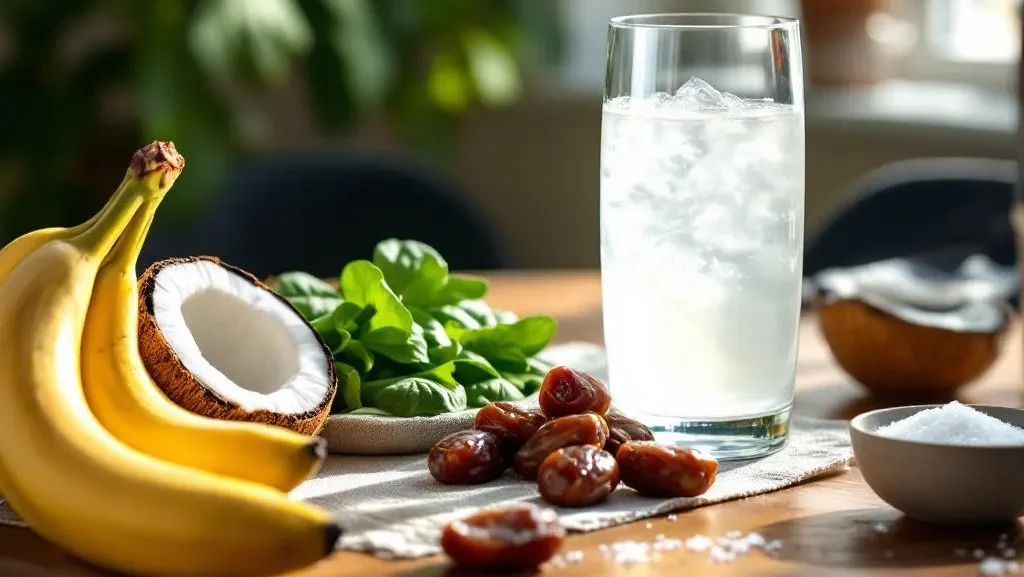
Coconut water remains the gold standard for natural electrolyte replacement. Fresh coconut water contains approximately 600mg of potassium per cup, along with natural sodium, magnesium, and calcium. It’s isotonic, meaning it has a similar concentration to your blood, making absorption rapid and efficient.
Dates are electrolyte powerhouses that I’ve relied on during countless long rides. They provide potassium, magnesium, and natural sugars for quick energy. Medjool dates work brilliantly stuffed with a pinch of sea salt for longer efforts.
Leafy greens like spinach and kale are rich in magnesium. A large handful of spinach contains about 160mg of magnesium, plus calcium and potassium. Fresh spinach in smoothies provides easily digestible electrolytes without the heaviness of solid food during training.
Bananas offer the perfect combination of potassium (420mg per medium banana) and easily digestible carbohydrates. They’re nature’s energy bar, providing sustained fuel alongside essential minerals.
Creating Your Natural Electrolyte Strategy
For sessions under 90 minutes, plain water with a piece of fruit afterwards typically suffices. Your body’s electrolyte stores can handle shorter efforts without significant depletion.
Medium-duration training (90 minutes to 3 hours) benefits from coconut water during exercise, supplemented with dates or bananas. This combination provides both immediate and sustained electrolyte replacement without overwhelming your system.
For longer efforts, I make a simple electrolyte drink with coconut water, a pinch of high-quality sea salt, and fresh lemon juice. The citrus adds natural vitamin C and enhances flavour without artificial additives. Proper electrolyte timing becomes crucial for these extended sessions.
Post-workout recovery should focus on replenishing depleted stores through whole foods. A smoothie combining spinach, banana, coconut water, and dates provides comprehensive mineral replacement alongside quality carbohydrates and antioxidants.
Practical Daily Maintenance
Electrolyte balance isn’t just about training days. Daily intake through whole plant foods maintains optimal levels and reduces your reliance on supplements during exercise.
Start your day with mineral-rich foods. A high-protein breakfast can include nuts and seeds, which provide magnesium and calcium alongside quality protein.
Incorporate sea vegetables like nori or dulse into meals. These provide natural sodium and trace minerals often missing from land-based plants. Just a small amount adds significant mineral content to salads or wraps.
Watermelon and other high-water fruits contribute both hydration and electrolytes. The natural sugars help with mineral absorption while providing refreshing fuel for training.
Timing and Absorption
Plant-based electrolytes work differently from synthetic versions. Whole foods provide slower, more sustained mineral release, which actually benefits endurance performance by avoiding the rapid spikes and crashes associated with concentrated supplements.
Research published in the Journal of the International Society of Sports Nutrition found that coconut water provides comparable hydration benefits to commercial carbohydrate-electrolyte sports drinks following exercise-induced dehydration, with no significant differences in fluid retention, plasma osmolality, or subsequent exercise performance (Kalman et al., 2012).
Consuming electrolyte-rich foods 30-60 minutes before training allows optimal absorption. During exercise, small, frequent sips of coconut water or diluted fruit juice maintain levels without causing digestive distress.
The key is consistency rather than concentration. Regular intake of mineral-rich plant foods throughout the day supports better overall electrolyte status than sporadic high-dose supplementation.
Race Day Application
On race morning, I rely most on whole foods. A banana with almond butter provides potassium, magnesium, and sustained energy. Coconut water sometimes replaces my usual morning coffee for natural hydration and minerals before the gun goes off.
During races, my default shifts to vegan-friendly ready-made nutrition — Styrkr, Veloforte, TORQ, etc. — because gut tolerance and predictability matter when you’re pushing hard for hours, and the carb and electrolyte ratios are dialled in. That said, portable whole-food options like dates, figs, or small amounts of coconut water work well alongside engineered products, especially in longer races where palate fatigue becomes real, and honestly, I should lean on them more often than I do.
Recovery is where I could do better. Coconut water and fresh fruit straight after the line are something I want to make a habit, alongside my usual recovery shake. The natural combination supports rehydration and mineral replacement, and it’s gentler on a stomach that’s already had hours of concentrated nutrition.
I cover electrolytes in more detail in my plant-based switching story, alongside everything else I learned across five IronMans.
Frequently Asked Questions
Electrolytes are minerals that carry an electrical charge in your body fluids: sodium, potassium, magnesium, calcium and chloride mainly. They keep your muscles firing, your heart steady and your hydration balanced. Plant-based athletes don’t need them more than anyone else, but the sources differ. We tend to get plenty of potassium and magnesium from fruit, leafy greens and legumes, but sodium can run low because we’re not eating processed meats or dairy. The ACSM position stand on fluid replacement covers the basics well if you want the science in detail.
It depends on your sweat rate, the weather and how salty your sweat is. ACSM and ISSN guidelines suggest somewhere between 300 and 700 mg of sodium per hour for endurance work over 90 minutes, but individual losses vary hugely. I learned this the hard way at IronMan Cascais, where the heat pushed my needs well above what I’d practised in cooler British training. The honest answer: get a sweat test done if you race long, or at least track which sessions leave white salt rings on your kit.
For daily life and shorter sessions, yes, in my experience. A breakfast with bananas, oats and a pinch of sea salt, plus normal meals with greens, beans and nuts, covers most needs. The trouble starts on race day or in long training blocks above two hours, especially in heat. At that point food alone is impractical because you can’t chew enough while racing. I use whole-food sources at home and switch to a measured drink mix on the bike, which is a pragmatic compromise rather than a purity test.
Both work. Commercial mixes are precise, portable and tested, which matters when you’re racing and don’t want surprises. Homemade versions, typically water, citrus juice, a pinch of salt and a touch of maple syrup, are cheaper and free of additives some athletes prefer to avoid. I use shop-bought for racing and longer brick sessions because consistency matters, and homemade for shorter weekend rides. Test anything new in training, never on race day. That single rule has saved me more grief than any specific recipe.
Coconut water is decent for daily hydration but oversold for endurance racing. It’s high in potassium, around 600 mg per 250 ml, but very low in sodium, often under 60 mg per serving. For sessions under an hour it’s fine. For a long ride in summer, you’d need to add salt or pair it with a proper sports drink to match what you’re losing in sweat. I treat it as a recovery drink after easier sessions rather than a race-day staple.
Honestly, you usually can’t, not without testing. Cramping, fatigue, headaches and brain fog can all point to electrolyte issues, but they overlap with dehydration, underfuelling, poor sleep and a dozen other things. If you suspect a real deficiency, especially with iron, B12 or vitamin D as a plant-based athlete, ask your GP for a blood panel. Guessing and self-supplementing can mask other problems or create new ones. A sports dietitian who works with endurance athletes is worth the consultation fee if you’re racing seriously.
Keep it simple for the first season. Drink to thirst on easy sessions, add a measured electrolyte mix for anything over 90 minutes, and don’t fall down the rabbit hole of obscure powders and protocols. Track your sessions, note what works, adjust gradually. The biggest mistake I made early on was changing three things at once and having no idea which one helped. Pick one variable, test it for a few weeks, then move on. Your gut will thank you, and so will your race times eventually.
Maybe, but not automatically. Salt tablets are useful when your hourly sodium needs exceed what your drink mix delivers, which tends to happen in hot races or for heavy sweaters. For IronMan Cascais I used a combination of drink mix and supplemental capsules because the heat was significant. For cooler races like Weymouth I managed with the drink alone. Work out your sweat sodium loss in training first, ideally with a proper test, then plan accordingly. Throwing salt tabs in randomly because someone on a forum suggested it usually ends in stomach trouble.
Making the Switch
Transitioning from artificial electrolyte products to natural sources requires some experimentation. Start by replacing post-workout supplements with whole foods like coconut water and fruit. Notice how your body responds and adjust quantities based on training demands.
Gradually introduce natural options during training sessions. Test different combinations during lower-intensity workouts before implementing them in important sessions or races.
The financial benefits are significant, too. A bunch of bananas costs less than a single serving of premium electrolyte powder and provides superior nutrition alongside the minerals you need.
Plant-based electrolyte balance isn’t about complicated formulas or expensive supplements. It’s about returning to the simple, effective nutrition that nature provides. Your body knows how to use these whole food sources efficiently, and your performance will reflect this natural approach.
Next time you’re planning your hydration strategy, consider reaching for coconut water instead of that artificial powder. Your taste buds, digestive system, and performance will thank you for choosing nature’s own electrolyte solution.