A hundred-plus triathlon finishes and I still hadn’t cracked the triathlon goggles question. Fogging, leaking, the classic mid-race mask squeeze that leaves you seeing stars before you’ve even hit the first buoy. Not ideal.
At Cascais last year, I finally tried something different: a pair of Roka open water goggles. The kind that makes you look like a fly. The kind I’d been quietly judging other people for wearing for years. And honestly? They might be the closest thing to a goggles holy grail I’ve found.
Before we get into the technical details of what to look for, here’s a quick primer on what actually matters when choosing triathlon goggles.
Pool Training vs Open Water Racing
Your pool training goggles probably won’t cut it for race day. Pool goggles are designed for clear, controlled conditions with perfect visibility. Open water swimming throws everything at you: choppy waves, varying light conditions, and the occasional elbow to the face.
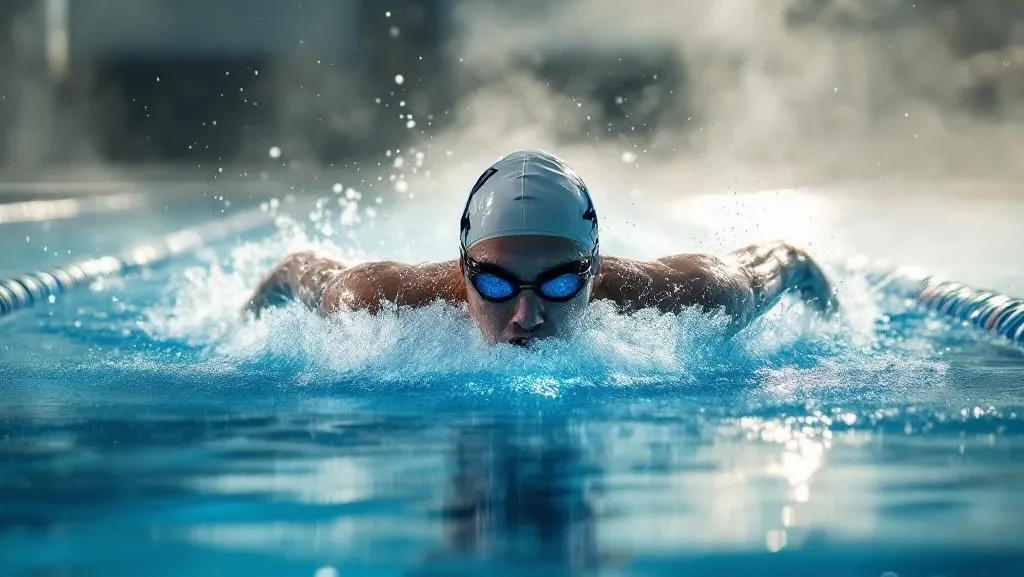
For pool sessions, I prefer low-profile racing goggles. They’re streamlined, comfortable for longer sets, and give excellent peripheral vision for watching lane ropes and other swimmers. The key is finding a pair that seals well without being so tight that they give you a headache after an hour.
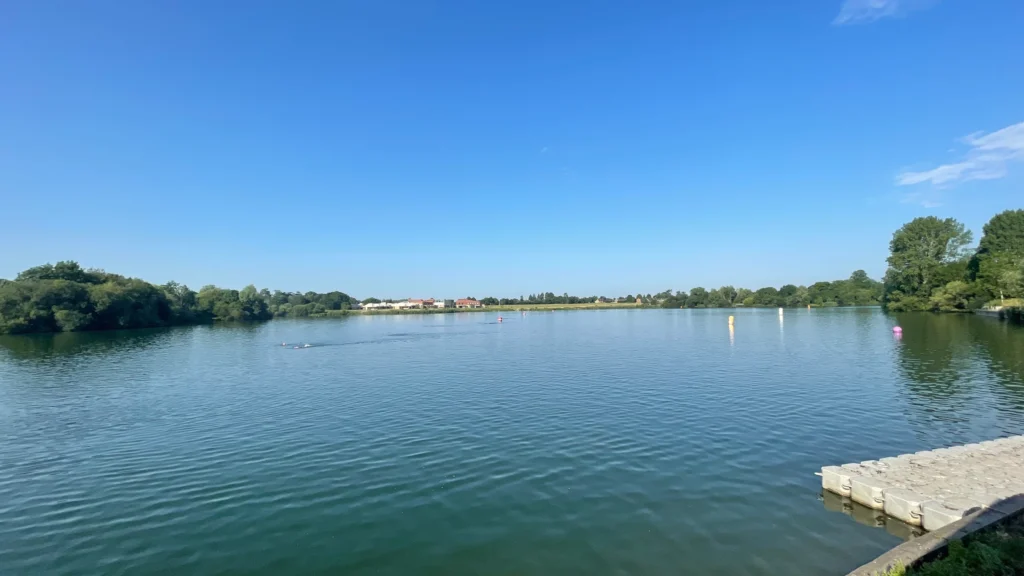
Open water is a different beast entirely. You need larger lenses for a better field of vision, robust anti-fog technology, and often tinted or polarised lenses to handle sun glare. The seal needs to be bulletproof because, unlike in the pool, you can’t just stop and adjust them mid-race.
Lens Technology for Different Conditions
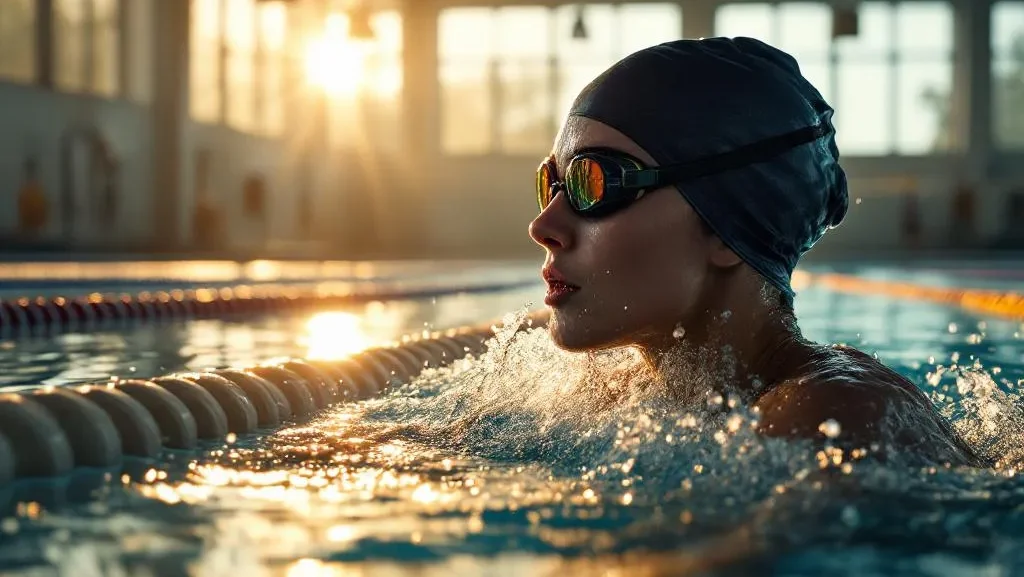
Bright, sunny conditions call for polarised or dark-tinted lenses. During my swim at Cascais, the Portuguese sun reflecting off the Atlantic was brutal. Dark lenses made all the difference in spotting the next buoy without squinting.
For overcast or early morning starts, clear or lightly tinted lenses work best. Yellow or amber tints can actually enhance contrast in murky water, making it easier to spot landmarks and other swimmers.
Some goggles come with interchangeable lenses, which sounds brilliant in theory. In practice, I’ve found it’s easier to have two dedicated pairs rather than faffing about with lens changes.
Anti-Fog: The Make-or-Break Feature
Nothing ruins a swim faster than fogged goggles. Modern anti-fog coatings are vastly better than they were even five years ago, but they still need proper care.
Never touch the inside of the lens with your fingers – the oils from your skin will destroy the anti-fog coating faster than you can say “did not finish”. Always rinse with clean water after swimming and let them air-dry completely.
Some swimmers swear by saliva as an anti-fog treatment. While it works in the short term, proper anti-fog drops or sprays are more reliable for longer races. Research shows that commercial anti-fog solutions provide more consistent performance than home remedies.
Getting the Perfect Fit
Fit is absolutely critical, and it’s more complex than just strap tension. The goggle should seal around your eye socket using suction alone – before you even put the strap on.
Here’s my fitting test: press the goggles gently against your face without the strap. They should stay put for at least 10 seconds through suction alone. If they fall off immediately, try a different size or model.
The strap should hold the goggles in place, not create the seal. Over-tightening leads to discomfort, red marks, and ironically, a higher chance of leaking because you’re distorting the goggle’s shape.
Adjustability Features
Look for goggles with easy-adjust straps that you can modify while wearing them. Split straps (where the strap splits into two at the back) distribute pressure more evenly and are less likely to slip during aggressive swimming.
Nose bridge adjustability is crucial if you have a narrow or wide nose bridge. Most quality triathlon goggles come with multiple nose piece options or adjustable bridges.
Prescription and Vision Correction
If you normally wear glasses or contacts, you’ve got options. Prescription goggles are available from most major manufacturers, though they’re pricier and take longer to replace if lost or broken.
Contact lenses under regular goggles work well for many athletes, though there’s always the risk of losing a lens if water gets in. Daily disposables are the safest option for race day.
Some swimmers prefer slightly under-corrected prescription goggles, reasoning that perfect vision isn’t essential for following a rope line or spotting large buoys, and the slight blur reduces eye strain in bright conditions.
Durability and Replacement Cycle
Even the best goggles won’t last forever. The anti-fog coating gradually wears off, the silicone seals harden, and the straps stretch out. I typically replace my main racing goggles every 12-18 months of regular use.
Always have a backup pair, especially for important races. Kit fails at the worst possible moments, and goggles are no exception. A strap snaps, a seal goes, and suddenly you’re scrambling in transition. A spare pair you’ve already swum in takes that risk off the table entirely.
Store goggles in a hard case to protect the lenses from scratches. Those little scratches might not seem like much, but they scatter light and can be surprisingly distracting during longer swims.
Race Day Preparation
Your race checklist should include goggle preparation. Put them on during your warm-up swim to check the fit and clear any residual fog. Some athletes prefer to keep their goggles on from warm-up through to the start of the race to maintain that perfect fit.
If you’re racing in unfamiliar conditions, err on the side of caution when choosing lenses. Slightly too dark is usually better than too light when you’re trying to navigate an open water course.
Consider the swim start format too. A beach start with surf might call for different goggles than a pontoon start in calm water. The more aggressive the start, the more robust your goggle choice needs to be.
My Personal Recommendations
After years of testing different brands and models, I’ve settled on three pairs: clear training goggles for pool work, dark-tinted open-water goggles for sunny races, and lightly tinted goggles for overcast conditions.
The investment in quality swimming goggles for triathlon pays dividends in confidence and comfort. Cheap goggles that leak or fog will cost you far more in frustration and, potentially, in race results than the extra money spent on quality kit.
Remember, the best goggles are the ones that disappear during your swim – you forget you’re wearing them because they fit perfectly, seal completely, and let you focus on your stroke and navigation rather than equipment issues.
Don’t wait until race week to sort out your goggle situation. Find a pair that works for your face shape and racing conditions, test them thoroughly in training, and stick with what works. Your future racing self will thank you when you’re gliding through the water with crystal-clear vision, watching the competition struggle with fogged or leaking goggles.