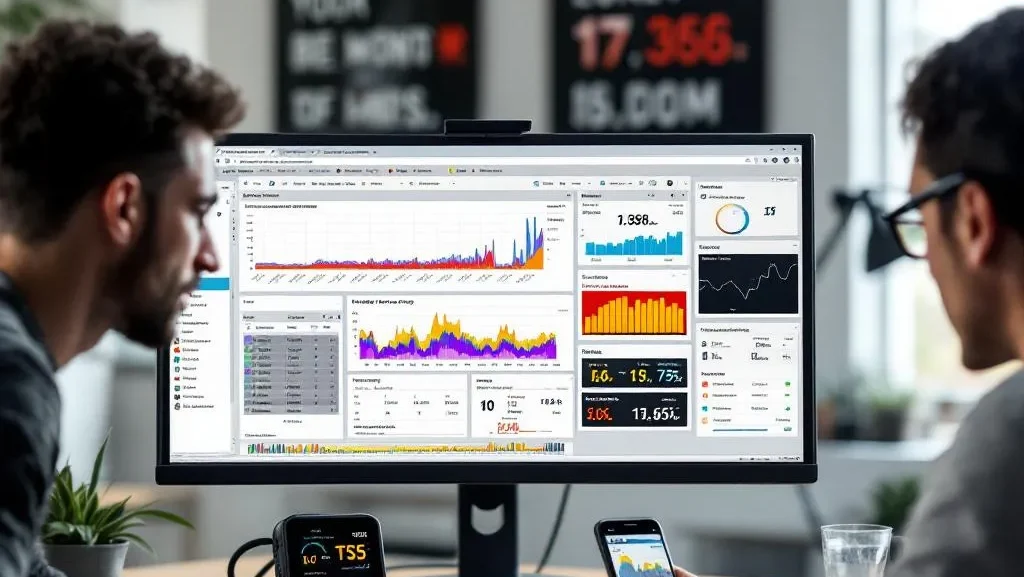
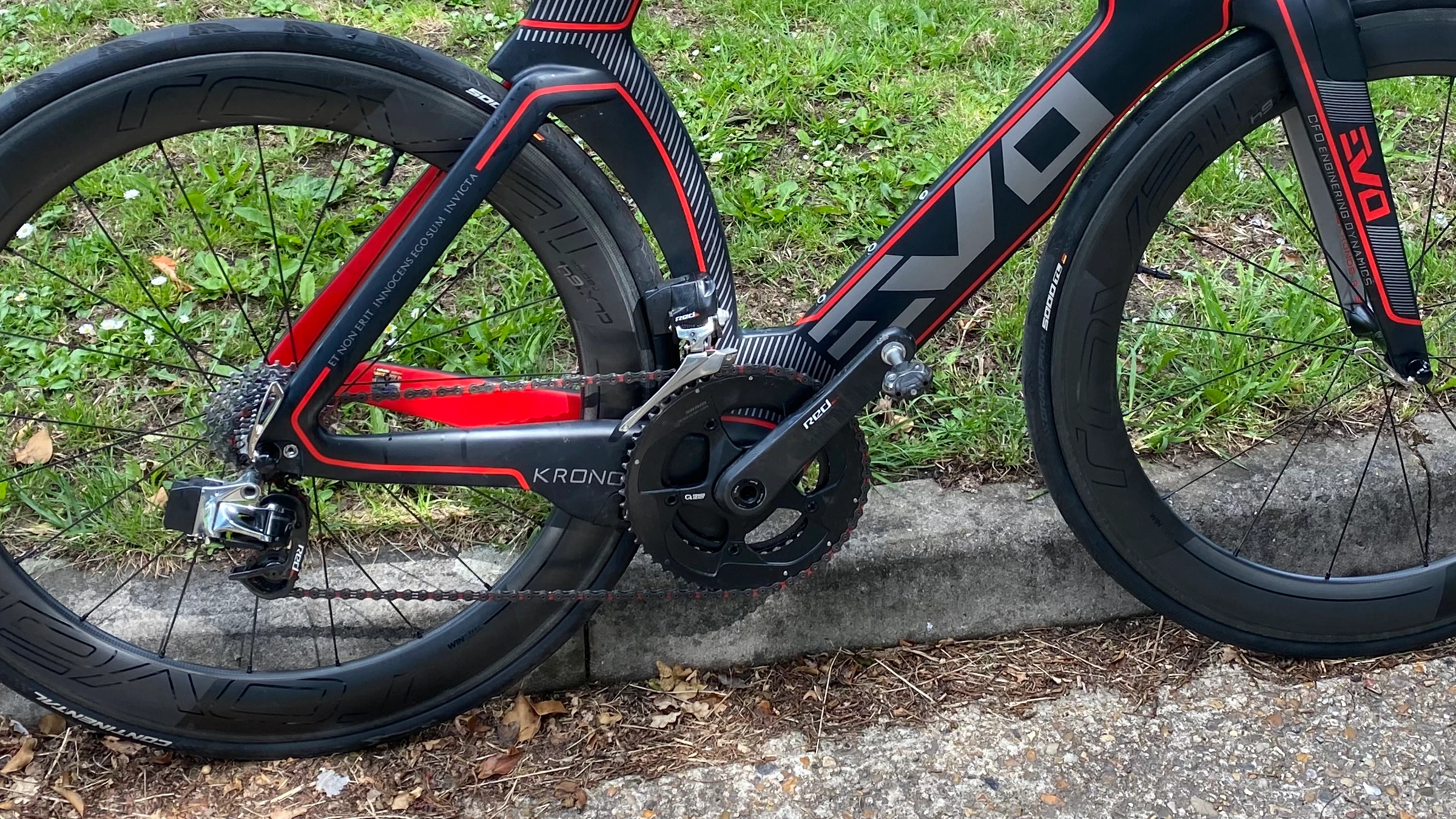
Standing in front of my computer on my favourite bike retail at the time – might have been Wiggle – I faced the classic triathlete dilemma: power meter or stick with my trusty heart rate monitor? Power meter vs heart rate. The power meter cost more than my first bike, whilst my heart rate strap had faithfully served me through dozens of races.
Fast forward to today, and I’ve trained extensively with both tools across over 100 races. The answer to which makes you faster isn’t straightforward, but it’s definitely worth understanding.
The Science Behind Each Tool
Heart rate monitors measure your body’s response to exercise intensity. When you push harder, your heart pumps faster to deliver oxygen to working muscles. It’s reactive data that tells you how your body is coping with the workload.
Power meters, on the other hand, measure the actual work you’re producing at the pedals in real-time. They’re proactive data that shows exactly how hard you’re working, regardless of how your body feels about it.
Think of it this way: heart rate is like checking your car’s temperature gauge, whilst power is reading the speedometer. Both useful, but fundamentally different information.
Where Heart Rate Training Excels
Don’t dismiss heart rate training as old-fashioned. After ten years of triathlon training, I still use my heart rate monitor for specific purposes.
Heart rate shines during base-building phases. Those long Zone 2 sessions that form the foundation of endurance fitness are perfectly suited to heart rate guidance. Your body naturally finds the right effort level, and you can’t accidentally overcook an easy session.
Recovery monitoring is another strength. A consistently elevated resting heart rate often signals overtraining or illness before you consciously notice. I’ve regularly checked my heart rate as an early warning system, before putting my trust in Oura.
The cost factor matters too. A decent heart rate monitor costs under £50, whilst power meters start around £300. For new triathletes building their first training foundation, heart rate delivers excellent value.
Weather and fatigue don’t affect heart rate accuracy either. Whether it’s a scorching summer ride or you’re carrying fatigue from yesterday’s brick session, your heart rate responds predictably to effort.
Power’s Game-Changing Advantages
Power meters transformed how I approach bike training, particularly for FTP development. The precision is remarkable.
Pacing becomes surgical with power data. You can nail specific wattage targets regardless of wind, hills, or how you feel on the day. Power doesn’t lie or fluctuate with external conditions.
Interval training reaches another level with power guidance. Heart rate lags behind changes in effort by 30-60 seconds, making it useless for short, sharp efforts. Power responds instantly, letting you hit precise targets from the first pedal stroke.
The analytical possibilities multiply exponentially. Normalized Power, Training Stress Score, and Intensity Factor provide insights that heart rate simply cannot match. You can quantify training load with mathematical precision.
Race execution improves dramatically. During longer triathlon events, power data prevents the classic mistake of going too hard too early. Your heart rate might feel fine, but power reveals you’re already above sustainable effort.
The Practical Reality Check
Here’s what nobody tells you about power meters: they’re not magic bullets. The data is only valuable if you understand how to use it effectively.
Learning to interpret power data takes months. Initially, you’ll be overwhelmed by numbers that seem to contradict your feelings. This learning curve can actually harm performance if you become a slave to the display rather than listening to your body.
Heart rate training, conversely, feels intuitive. Most people understand that working harder makes their heart beat faster. The feedback loop makes sense immediately.
Maintenance becomes a factor with power meters. They need regular calibration, battery changes, and occasional firmware updates. Heart rate monitors are essentially fit-and-forget technology.
Which Tool for Different Training Phases
My approach has evolved to use both tools strategically rather than choosing sides.
During base-building phases, heart rate dominates my training guidance. Those long, steady efforts are perfectly suited to heart rate zones, and the simplicity keeps sessions enjoyable rather than data-obsessed.
Build phases see power take centre stage. Threshold intervals, FTP testing, and race-specific efforts all benefit from power’s precision and immediate feedback.
Recovery rides return to heart rate guidance. Keeping my heart rate below a specific ceiling ensures these sessions truly remain easy, regardless of my legs feeling surprisingly good.
The Investment Decision
For newcomers to triathlon, start with heart rate training. Build your aerobic base, learn training zones, and develop consistency before worrying about power data complexity.
Experienced age-groupers targeting specific performance goals benefit enormously from power meters. If you’re serious about improving bike splits and have solid training habits, the investment pays dividends.
Consider your racing focus, too. Sprint and Olympic-distance events suit heart-rate training perfectly well. The efforts are shorter, pacing is less critical, and the complexity of power analysis offers diminishing returns.
Longer events, particularly 70.3 and full-distance races, favour power meter precision. Pacing mistakes cost significant time over these distances, making accurate effort distribution crucial.
Making Both Work Together
The most effective approach combines both tools rather than treating them as competitors. My bike computer displays both power and heart rate simultaneously during most sessions.
Power guides my intervals and race efforts, whilst heart rate monitors my physiological response and recovery between efforts. This dual approach provides both precision and insight into how my body adapts to training.
Over time, you’ll notice correlations between power outputs and heart rate responses. These patterns serve as valuable indicators of form, fatigue, and fitness progression that neither tool reveals on its own.
The technology continues evolving, too. Modern training platforms integrate both metrics seamlessly, creating comprehensive pictures of training stress and adaptation that maximise the benefits of each tool.
Choose the tool that matches your current needs and budget, but don’t feel locked into that decision forever. Both heart rate monitors and power meters have roles in serious triathlon training. The key is understanding when each provides the most value for your specific goals and experience level.