
There’s nothing quite like that sinking feeling when your energy crashes mid-training session. You know the one, legs suddenly feel like lead, your pace drops, and what started as a promising workout turns into a survival shuffle. I’ve been there more times than I care to admit, especially in my early days of plant-based eating when I thought I could wing it with whatever happened to be in the cupboard.
After years of experimenting with plant-based pre-workout nutrition across hundreds of training sessions and races, I’ve discovered that the right natural fuel can give you sustained energy that outlasts any synthetic supplement. The key isn’t reaching for the latest powder or pill. It’s understanding how whole plant foods can power your performance.
Why Plant-Based Pre-Workout Nutrition Works
Plant foods offer something synthetic pre-workouts simply can’t match: a complex matrix of nutrients that work synergistically. When you eat an apple with almond butter, you’re not just getting quick carbs and sustained fats. You’re getting fibre for steady glucose release, antioxidants for cellular protection, and minerals for muscle function.
The beauty of natural pre-workout fuel lies in its gentleness on your system. No jitters, no crash, no wondering what’s actually in that neon-coloured powder. Just clean, sustained energy that supports your training goals.
The science backs this up. A 2025 critical review of fifteen years of research concluded that endurance performance is well-supported by plant-based diets, with their high carbohydrate and antioxidant content identified as the key drivers — and that strength outcomes show no meaningful difference when energy and protein needs are met.* Whether you’re heading out for a long ride or a tempo run, whole food plant fuel isn’t a compromise. It’s a strategy.
*Polakowska et al. (2025), Plant-Based Diets and Athletic Performance: A Critical Review, Quality in Sport.
Timing Your Pre-Workout Fuel
Getting your timing right makes all the difference between feeling energised and feeling sluggish. For most training sessions, I aim to eat my main pre-workout meal 2-3 hours beforehand, with a smaller top-up snack 30-60 minutes before if needed.
Early morning sessions require a different approach. If I’m heading out at dawn for a long ride or brick session, I’ll have something light and easily digestible, perhaps a banana with a small amount of nut butter, about 30 minutes before starting.
The key is listening to your body and adjusting based on the intensity of the session. Easy zone 2 work? You can probably train fasted or with minimal fuel. High-intensity intervals or long sessions? You’ll want those carb stores well-stocked.
Power-Packed Vegan Pre-Workout Meals
Let me share some of my go-to combinations that have fuelled everything from early morning swims to challenging bike sessions. These vegan pre-workout meals balance carbohydrates for immediate energy with enough protein and healthy fats for sustained power.
The Classic Bowl
Porridge remains my number one choice for longer training days. I make mine with rolled oats, plant milk, a mashed banana, and a tablespoon of ground flaxseed. Top with berries and a drizzle of maple syrup, and you’ve got complex carbs, omega-3s, and antioxidants all in one bowl.
This combination provides steady glucose release thanks to the oats’ beta-glucan fibre, while the banana offers quick-acting natural sugars. The flaxseed adds anti-inflammatory omega-3s that support recovery even as you’re training.
The Quick Fix
When time is tight, nothing beats a smoothie. My standard recipe includes frozen berries, a banana, spinach (you won’t taste it, I promise), plant protein powder, and coconut water. Blend, drink, and you’re ready to go.
The beauty of smoothies lies in their digestibility. The blending process partially breaks down the fibre, making nutrients more readily available while still providing sustained energy release.
The Substantial Option
For longer sessions or when I’m particularly hungry, I’ll opt for toast with avocado and tomato. Choose a good wholegrain bread, mash half an avocado with a squeeze of lemon, add sliced tomatoes and a sprinkle of hemp seeds. This gives you complex carbs, healthy monounsaturated fats, and complete amino acids.
Just like with proper hydration strategies and electrolyte balance, getting your pre-workout nutrition right becomes second nature with practice.
Quick Energy Snacks That Actually Work
Sometimes you need something lighter, especially for shorter sessions or when training later in the day. These options provide quick energy without weighing you down:
- Dates stuffed with almond butter: Natural sugars plus sustained energy from healthy fats
- Rice cakes with banana slices: Easy-to-digest carbs that won’t upset your stomach
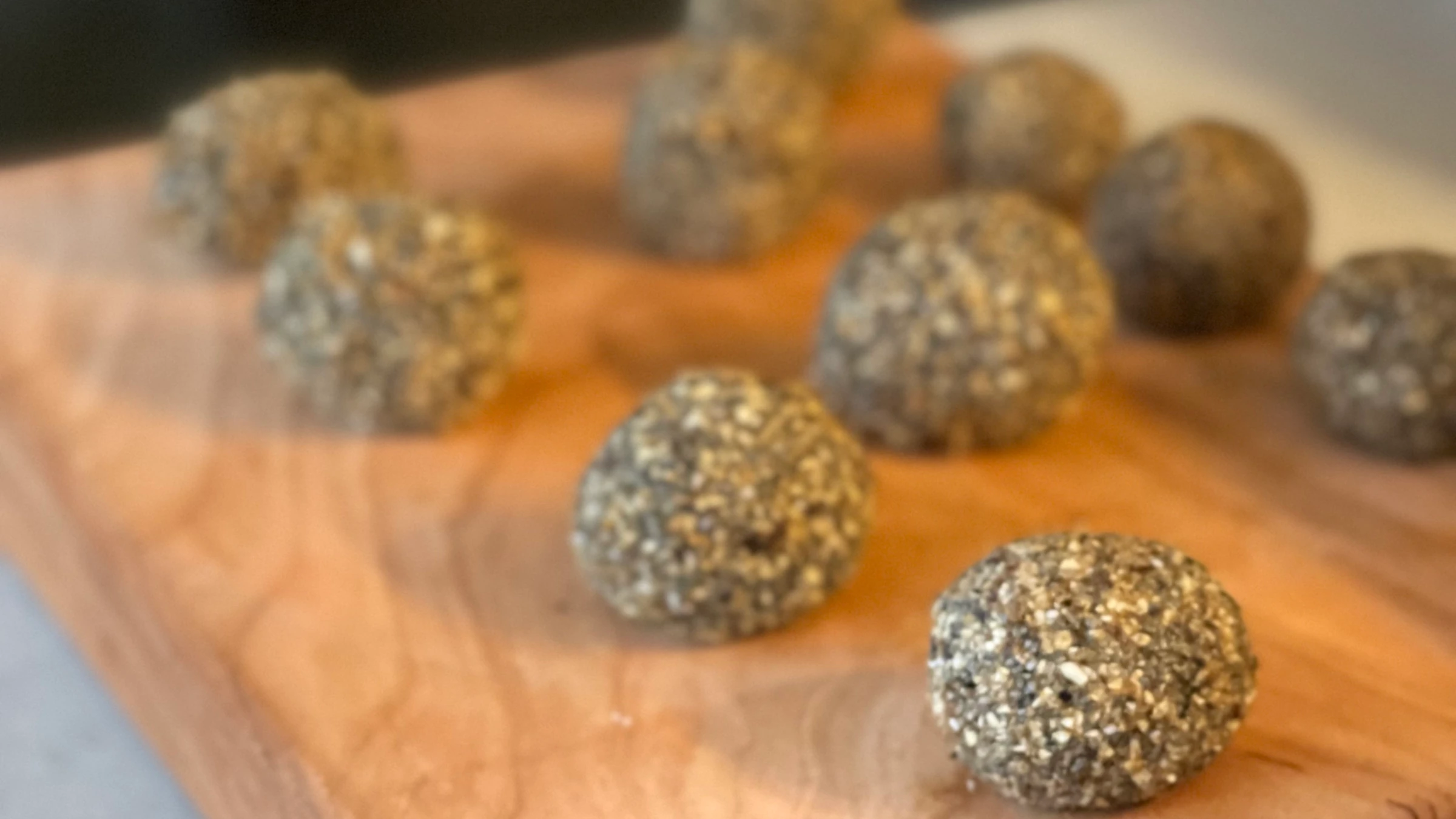
- Homemade energy balls: Blend dates, oats, and your favourite nuts for portable power
- Fresh fruit with a handful of nuts: Simple, natural, and endlessly customisable
The goal with these snacks is simplicity. You want easily digestible carbs with just enough protein and fat to prevent blood sugar spikes and crashes.
Special Considerations for Different Sessions
Not all training sessions are created equal, and your pre-workout nutrition should reflect this. High-intensity work demands more readily available carbs, while longer aerobic sessions benefit from sustained energy sources.
For swim sessions, I keep things particularly light since being horizontal can make digestion trickier. A piece of fruit or a small smoothie usually does the job. Brick sessions, on the other hand, might call for more substantial fuelling given their duration and intensity.
When working on FTP improvements or other high-intensity work, I make sure to include some faster-acting carbs in my pre-workout meal. Sweet potato, bananas, or even some dried fruit can provide the glucose your muscles need for those demanding efforts.
The Power of Beetroot and Other Performance Foods
Certain plant foods offer specific performance benefits that go beyond basic energy provision. Beetroot, for instance, contains natural nitrates that can improve oxygen delivery to working muscles.
I’ll often include beetroot juice in my pre-workout routine for important sessions, drinking it about 2-3 hours before training. The nitrate conversion takes time, but the performance benefits are well-documented in endurance sports.
Other performance-boosting plant foods include tart cherries for their anti-inflammatory properties, berries for antioxidants, and green tea for a gentle caffeine boost without the jitters of synthetic stimulants.
Avoiding the Energy Crash
The whole point of thoughtful pre-workout nutrition is avoiding that dreaded energy crash. This typically happens when blood sugar spikes rapidly, then crashes just as quickly, leaving you feeling worse than when you started.
Plant-based whole foods naturally help prevent this cycle. Their fibre content slows sugar absorption, while their complex nutrient profiles support steady cellular energy production. Compare this to a sugary sports drink or artificial pre-workout, and the difference becomes clear.
Combining different macronutrients is key. Fruit provides quick energy, nuts and seeds offer sustained fuel, and whole grains bridge the gap between immediate and long-term energy needs.
Making It Work for Your Schedule
Real life doesn’t always allow for perfect nutrition timing. Early morning sessions, back-to-back training days, and work commitments all throw curveballs at your fuelling plans.
The solution is preparation and flexibility. I batch-prepare energy balls on weekends, keep bananas and nut butter readily available, and always have backup smoothie ingredients in the freezer. This way, even when time is tight, I can fuel properly for the session ahead.
For early birds, consider preparing overnight oats the evening before. They’ll be ready to eat straight from the fridge, saving precious morning minutes while ensuring you’re properly fuelled.
And I’ll be honest — I’m not perfect. There are mornings when even the best-laid plans fall apart, and that’s when vegan gels and energy bars earn their place in my kit. But it’s not just about convenience. Deliberately practising with race-day nutrition during training means your gut knows exactly what’s coming on race day itself. No surprises at mile 60 of the bike leg. Using these products intentionally, rather than as a last resort, is part of the preparation.
Listen to Your Body
Perhaps the most important aspect of pre-workout nutrition is learning what works for your individual system. What energises one person might leave another feeling sluggish or uncomfortable.
Keep a simple food and training log for a few weeks. Note what you eat before sessions and how you feel during training. Patterns will emerge, showing you which combinations work best for different types of workouts.
Remember that your needs may change with training load, stress levels, sleep quality, and even the weather. Stay flexible and keep experimenting with different plant-based options.
Plant-based pre-workout nutrition isn’t about restriction or making training more complicated. It’s about discovering how natural, whole foods can power your performance more effectively than any synthetic alternative. Start with simple combinations, pay attention to timing, and trust that your body knows how to use real food for real performance.
Your next training session could be the perfect opportunity to try something new. Whether it’s a bowl of porridge before a long ride or a simple banana before intervals, give plant-based pre-workout fuel a chance to show you what sustained, natural energy feels like.