There’s nothing quite like the feeling of slipping into your first wetsuit for an open water swim. The snug embrace, the sudden buoyancy, and that moment when you realise you’re actually floating like a cork. After over ten years in the sport and countless conversations with newcomers, I’ve seen how overwhelming wetsuit shopping can be for beginners.
The good news? You don’t need to spend a fortune to get a quality, best triathlon wetsuit budget option that’ll serve you well through your first season and beyond.
Why Every Triathlete Needs a Wetsuit
Beyond the obvious warmth benefits, a wetsuit transforms your swimming experience. The neoprene provides buoyancy that lifts your hips and legs, dramatically improving your body position. For newer swimmers, especially, this can shave minutes off your swim split.
Most triathlon events become wetsuit legal when water temperatures drop below 16°C, though many athletes choose to wear them in warmer conditions for the performance advantage. Understanding when and why to use a wetsuit is part of mastering the triathlon terminology that’ll serve you throughout your journey.
What Makes a Good Budget Wetsuit
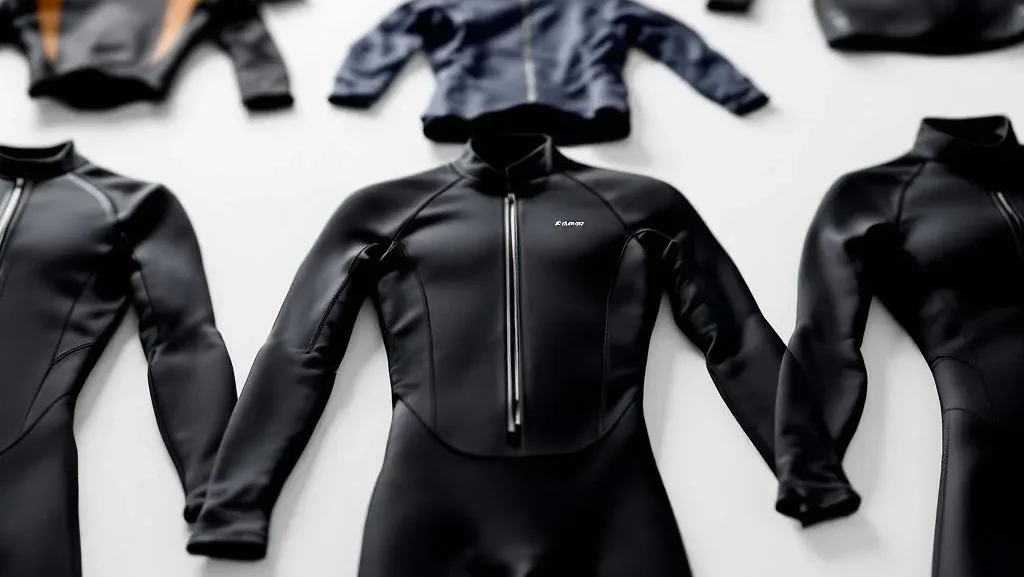
Quality budget wetsuits share several key characteristics. Look for 3-5mm neoprene thickness, with thinner panels around the shoulders for better stroke mobility. Smooth skin (SCS) coating on the outside reduces drag, while the inside should have a comfortable lining that’s easy to put on and take off.
Seam construction matters enormously. Flatlock seams are perfectly adequate for budget suits, though they allow some water entry. More expensive options use blind stitched and glued seams that create a watertight seal. For beginners, flatlock seams represent an excellent balance of performance and affordability.
Flexibility around the shoulders and arms is crucial. Many budget suits skimp here, using thicker neoprene throughout. The best budget options vary in thickness, typically using 2mm panels in the arms and shoulders while maintaining 4-5mm in the core and legs.
Top Budget Wetsuit Recommendations
Zone3 Advance
Zone3’s Advance consistently ranks among the best-value wetsuits available. The British company understands open water swimming, and its entry-level suit reflects this expertise. With 3mm neoprene in the arms and 5mm in the core, it strikes an excellent balance between warmth and flexibility.
The smooth skin coating works brilliantly for reducing drag, whilst the internal lining makes transitions smoother. At around £150-180, it represents outstanding value for money.
Orca Core TRN
Orca’s reputation for quality extends to their budget range. The Core TRN features their signature flexible shoulder panels and high-quality neoprene construction. The suit’s buoyancy profile is particularly suited to newer swimmers who need extra lift in the legs.
Priced similarly to the Zone3 Advance, the Orca offers slightly better shoulder flexibility but marginally less durability in my experience.
Huub Archimedes 3:5
Huub’s entry-level suit focuses on the fundamentals. The 3:5 refers to the neoprene thickness (3mm arms, 5mm core), and the construction quality exceeds what you’d expect at this price point. The suit runs slightly large, which suits swimmers who prefer a less restrictive fit. To be honest, I’ve paid the premium price for a Huub wetsuit, and it was a big disappointment.
Sailfish One
The German brand’s entry suit impresses with its attention to detail. Smooth skin coating, quality zips, and thoughtful panel placement make this a genuine contender. It’s particularly good for taller athletes, as Sailfish tends to cut their suits with longer torsos.
Sizing Your First Wetsuit
Getting the size right makes or breaks your wetsuit experience. Too loose and you’ll get excessive water entry and reduced buoyancy. Too tight and you’ll struggle with breathing and shoulder mobility.
Most manufacturers provide detailed sizing charts based on height, weight, and chest measurements. When in doubt, speak to retailers who can offer specific advice. Many tri shops offer fitting services, and the investment in getting this right pays dividends in comfort and performance.
Remember that wetsuits should feel snug when dry. The neoprene will feel more flexible once you’re in the water, and a thin layer of water between suit and skin actually improves insulation.
Caring for Your Investment
Proper maintenance significantly extends your wetsuit’s lifespan. Rinse thoroughly with fresh water after every use, particularly if you’ve been swimming in chlorinated pools or saltwater. Hang the suit inside out initially, then turn it the right way to ensure both sides dry completely.
Avoid folding your wetsuit. Instead, lay it flat or use a wetsuit hanger. Never leave it in direct sunlight or hot cars, as UV rays and heat degrade neoprene rapidly.
For storage, ensure the suit is completely dry before putting it away. A light dusting of talcum powder helps prevent the neoprene from sticking to itself during long-term storage.
When to Upgrade
A quality budget wetsuit should last several seasons with proper care. Signs it’s time to upgrade include significant neoprene compression (the suit feels less buoyant), seam failure, or finding yourself regularly racing in conditions where every second matters.
Many athletes find that their swimming improves significantly as they develop, making the flexibility and buoyancy profile of higher-end suits more beneficial. However, there’s no rush to upgrade if your current suit serves you well.
According to World Triathlon regulations, wetsuits must not exceed 5mm thickness, ensuring even budget options meet competition standards.
Smart Shopping Strategies
Timing your purchase can save significant money. End-of-season sales (September-October) often feature excellent discounts on current models, whilst spring brings clearance prices on previous year’s stock.
Consider ex-demo suits from tri shops. These have typically been tried on but not used, offering substantial savings on near-new equipment. Many retailers also offer rental schemes that allow you to try before buying.
Don’t overlook the second-hand market, but inspect carefully for neoprene degradation and seam integrity. Check my discount guide for more money-saving tips on triathlon gear.
Making Your Choice
The best budget wetsuit is the one that fits you properly and meets your specific needs. Consider your local swimming conditions, race calendar, and budget constraints. Remember that even an entry-level wetsuit from a reputable manufacturer will transform your open water swimming experience.
Focus on fit, flexibility, and build quality rather than getting caught up in advanced features you might not need yet. A well-fitting budget suit will serve you better than an expensive one that doesn’t match your body shape or swimming style.
Your first wetsuit marks an important milestone in your triathlon journey. Choose wisely, care for it properly, and it’ll reward you with countless comfortable swims and improved race times. The investment in a quality budget option lays the foundation for years of enjoyable open-water swimming ahead.