
I used to think that smashing myself in training harder and longer would automatically make me faster. More miles, higher intensity, longer sessions – surely that was the path to PB glory? It wasn’t until I started tracking my sleep properly that I realised I’d been ignoring the most powerful performance tool in my arsenal.
As triathletes, we obsess over our FTP numbers, perfect our transitions, and dial in our nutrition. But how many of us give the same attention to our sleep? I’m willing to bet it’s not many, and that’s a massive opportunity we’re all missing.
Why Sleep Recovery Matters for Triathletes
Sleep isn’t just about feeling less grumpy in the morning (though my family certainly appreciates that side benefit). During those precious hours of shut-eye, your body is working overtime to repair the microscopic damage from training, consolidate the adaptations you’ve earned, and prepare your systems for the next session.
If you haven’t read Matthew Walker’s Why We Sleep, put it on your list now. It’s the book that genuinely changed how I think about recovery — not just for athletic performance, but for pretty much everything. Walker argues that sleep touches every major organ and system in the body, and that even modest, repeated sleep deficits quietly wreck your health in ways you simply don’t feel until the damage is done. We’re talking increased injury risk, impaired immune function, hormonal disruption, and cognitive decline — alongside the more obvious hits to reaction time, accuracy, and endurance that directly affect race day. Walker also makes the case that practice doesn’t make perfect — it’s practice followed by sleep that makes perfect, because it’s during sleep that your brain actually locks in the motor skills you’ve been drilling in training.
Yes, there are academics who take issue with some of the book’s bolder claims. But the core message — that most of us are chronically undersleeping and paying a higher price than we realise — is hard to argue with, and it’s backed by a substantial body of research.
Think about it: you wouldn’t skip your cool-down or ignore your post-workout recovery stretches, would you? Sleep deserves the same respect in your training plan.
The Science Behind Athlete Sleep
During deep sleep, your body releases growth hormone – the stuff that actually builds the stronger, fitter athlete version of yourself. Your immune system gets a boost, helping you stay healthy through heavy training blocks. Your brain processes all the motor patterns you’ve been rehearsing, from perfecting your catch in the pool to nailing your run cadence.
Miss out on quality sleep, and you’re essentially throwing away the adaptations you’ve worked so hard for. It’s like doing all the cooking but forgetting to eat the meal.
I learned this lesson properly during my build-up to longer races. I noticed that weeks when I prioritised eight hours of sleep, my morning resting heart rate stayed stable, my perceived exertion felt lower, and I bounced back from hard sessions much quicker. The data doesn’t lie – and neither does how you feel.
Sleep Quality vs Sleep Quantity
Here’s where it gets interesting: it’s not just about clocking up hours in bed. Sleep quality matters just as much as quantity, if not more. You could spend nine hours tossing and turning, or get six hours of deep, restorative sleep — guess which one leaves you feeling more recovered?
The sweet spot for most endurance athletes seems to be 7-9 hours of actual sleep (not just time in bed), but the quality of those hours is what really counts. Deep sleep is where the repair work happens. REM is where your brain files away everything you practised — Walker’s line that “practice, followed by sleep, makes perfect” has stuck with me more than most coaching advice I’ve received.
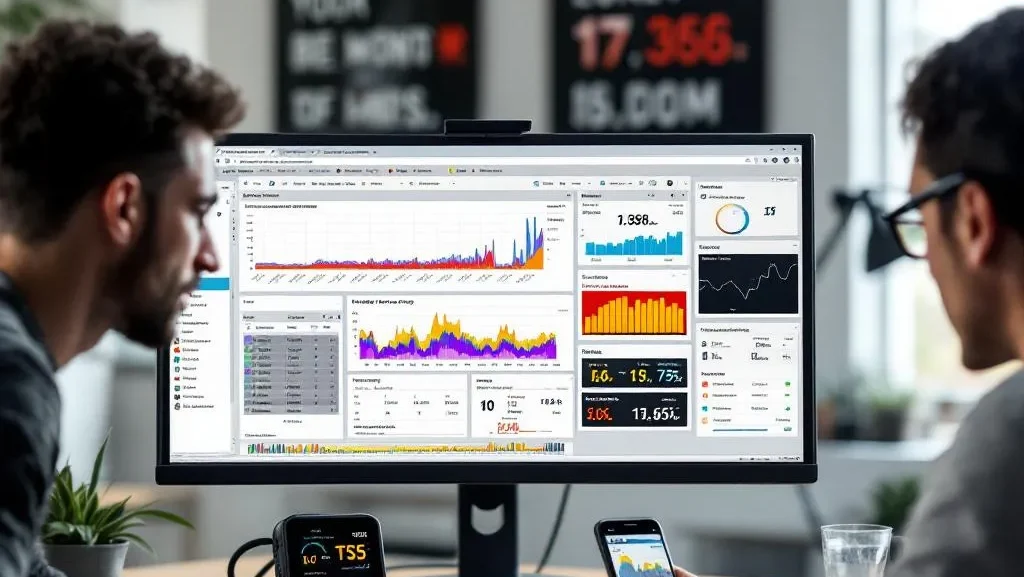
I started tracking mine with a Withings undermattress sensor — no wearable, no faff, just a flat strip that judges you silently while you sleep. It even logged my snoring, which was less of a revelation and more of a marital incident. I’ve since upgraded to an Oura ring, and honestly, I’m converted. After hard sessions, deep sleep dominates. On easier days, REM takes over. I now check my readiness score before I check the weather. Make of that what you will.
Practical Sleep Recovery Strategies
Right, enough of the science lesson, let’s talk about what actually works. These are the strategies that have made the biggest difference to my sleep recovery, tried and tested through countless training cycles.
Create Your Sleep Sanctuary
Your bedroom should be a cave: cool, dark, and quiet. I already had curtains — I just hadn’t ever got around to making sure they were actually blackout ones. Still haven’t, if I’m honest. I did look into a thermally controlled blanket at one point, until I saw the price tag and quietly closed the tab.
What I have done is put the NEST to work. Scheduling the heating to drop overnight has been the easiest win — the ideal sleep temperature is around 16-19°C, cooler than most people keep their bedrooms. Your core temperature naturally falls as you drift off, and a cool room helps that process along. I also crack the window slightly when I remember, when it’s not horizontal rain, and when I’ve calculated that the noise-to-fresh-air ratio is acceptable. So, occasionally.
As for phones, tablets, and laptops, keep them out of the bedroom. The blue light disrupts melatonin production, and let’s be honest: your Strava kudos will still be there in the morning. They’re not going anywhere. Neither is your sleep debt, if you keep scrolling.
Nail Your Pre-Sleep Routine
Start winding down at least an hour before you want to be asleep. I have tried to stick to a simple routine: finish eating 2-3 hours before bed, dim the lights, and maybe do some light stretching or reading. Nothing revolutionary, but consistency is key.
If you’re training late in the evening, factor in extra wind-down time. Your body needs longer to transition from ‘training mode’ to ‘sleep mode’ after an intense session.
Watch Your Caffeine Timing
I love my morning coffee as much as the next person, but caffeine has a half-life of about 6 hours. That afternoon, espresso could still be affecting your sleep quality at bedtime. Experiment with cutting off caffeine earlier in the day and see how it affects your sleep.
Sleep Recovery and Training Adaptation
Here’s something that really opened my eyes: sleep recovery isn’t just about feeling fresh for your next session. It’s literally when your body builds the adaptations you’re training for.
During deep sleep, your body increases protein synthesis, which is how your muscles get stronger and more efficient. Your cardiovascular system adapts, your energy stores replenish, and your nervous system recovers from the stress of training.
Miss out on sleep, and you’re essentially doing all the hard work without getting the rewards. It’s like making deposits into a bank account that never credits your balance.
Timing Your Sleep Around Training
The timing of your sleep matters too. Try to keep consistent sleep and wake times, even on weekends. Your body loves routine, and your circadian rhythm will thank you for the predictability.
If you’re doing early morning sessions, resist the urge to go to bed much earlier than usual – you’ll likely just lie awake. Instead, gradually shift your bedtime earlier over several days. The same goes for late training sessions – you might need to adjust your routine to accommodate proper wind-down time.
Recovery naps can be brilliant too, especially during heavy training blocks. A 20-30 minute power nap in the afternoon can work wonders, but keep it short – any longer and you might interfere with your nighttime sleep.
Tracking Your Sleep Recovery
You don’t need expensive gadgets to improve your sleep, but tracking can provide valuable insights. Most fitness watches now include basic sleep monitoring, and even that can help you spot patterns.
Pay attention to how your sleep affects your morning metrics, resting heart rate, heart rate variability, and how you feel subjectively. Over time, you’ll start to see correlations between sleep quality and your training performance.
The key is finding what works for you. Some athletes thrive on exactly eight hours, others feel best with seven. Some need complete silence, others prefer a bit of white noise. Experiment and find your sweet spot.
When Sleep Goes Wrong
We all have those nights when sleep just doesn’t happen, stress, excitement before a big race, or life getting in the way. Don’t panic. One bad night won’t derail your triathlon performance, but several in a row might.
If you’re consistently struggling to sleep, it might be worth considering other factors. Are you overtraining? Is your nutrition dialled in? Sometimes poor sleep is your body’s way of telling you to ease off the gas.
Making Sleep Recovery a Priority
Here’s the thing: improving your sleep recovery doesn’t require turning your life upside down. Small, consistent changes can have a massive impact over time.
Start with one or two changes, maybe blackout curtains and a consistent bedtime. Once those become habits, add another element. The compound effect of these improvements will surprise you.
Remember, sleep recovery is training. It deserves the same attention and respect as your swim sets, bike intervals, and long runs. It’s not lazy or unproductive, it’s an essential part of becoming the athlete you want to be.
Your future self will thank you for the PBs that come not from training harder, but from recovering smarter. Sweet dreams, and faster times ahead!