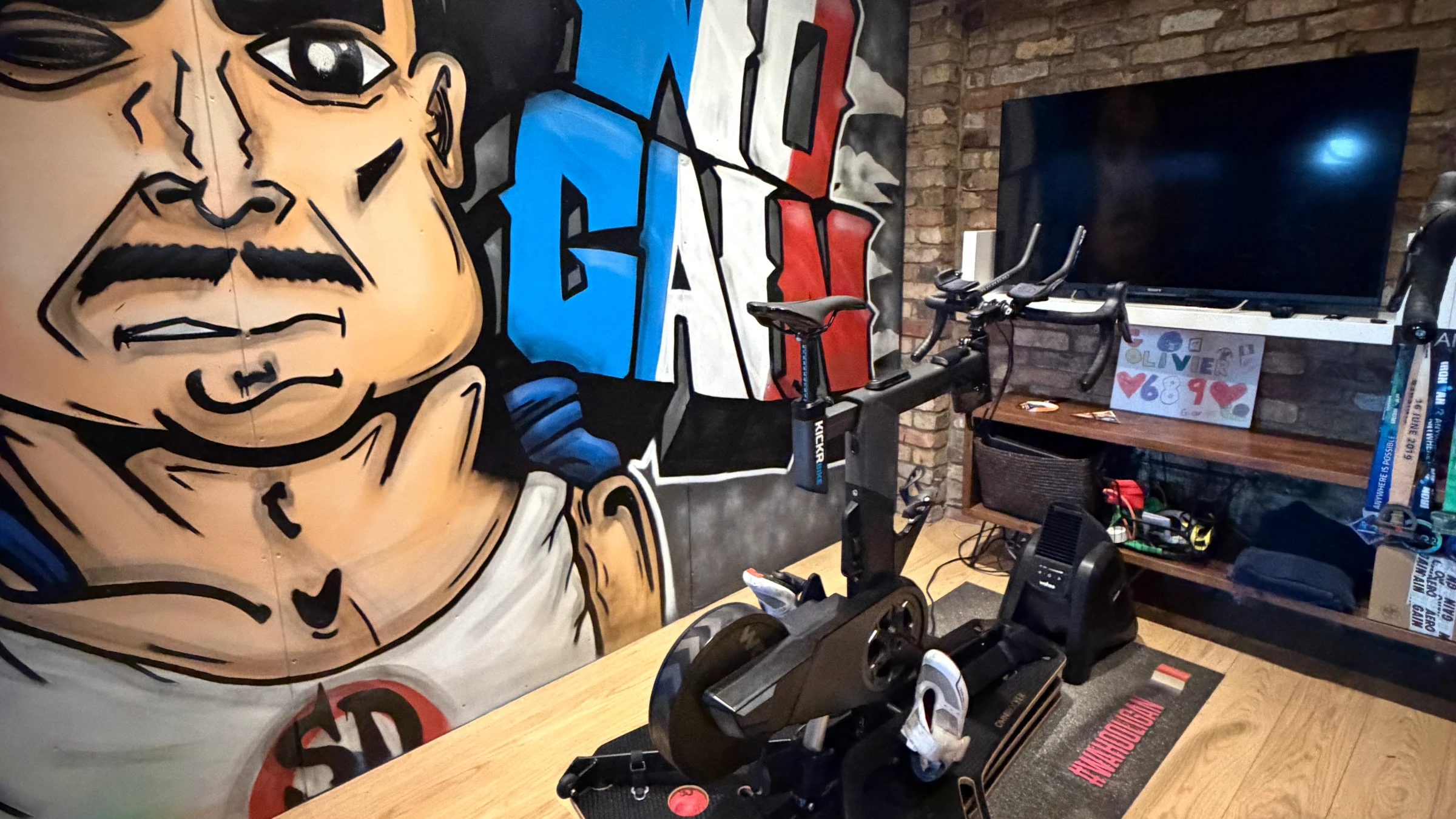
It’s 5:30 AM on a February morning, and my alarm is screaming at me through the darkness. Outside, it’s barely 2°C, the rain is hammering against the windows, and frankly, my bed has never felt more comfortable. This is the reality of winter triathlon training in the UK – and if I’m being honest, it’s bloody hard.
But here’s the thing: some of my biggest breakthroughs have come from those grim winter months when motivation was harder to find than a decent wetsuit that doesn’t give you a wedgie. After several years of battling through British winters, coached or with the Berkshire Tri Squad, I’ve learned a few tricks that keep me moving when everything in my body is telling me to hibernate until spring.
The Mental Game: Why Winter Training Matters
Let’s start with the obvious – winter triathlon training is as much a mental challenge as it is a physical one. Research shows that athletes who maintain consistent training through the winter months see significant performance gains come race season. But knowing this intellectually and actually dragging yourself out of bed are two very different things.
I remember my first winter as a triathlete, thinking I’d just take it easy and ramp up training in March. Big mistake. Come my first race of the season, I felt like I was starting from scratch. My fitness had disappeared faster than free cake at a club social, and it took months to get back to where I’d been the previous autumn.
Now I view winter training as my secret weapon. While others are hibernating, I’m building the base fitness that’ll carry me through to race day. It’s not glamorous, but it works.
Setting Winter-Specific Goals
The key to staying motivated during winter triathlon training is having goals that match the season. Forget about smashing PBs or hitting peak power numbers – winter is about consistency and building your aerobic engine.
I learned this lesson the hard way during my first couple of years of triathlon. Instead of chasing intensity, I focused on accumulating steady miles and improving my technique. Those months of unglamorous base building paid dividends on race day.
My winter goals usually include:
- Maintaining a consistent weekly training schedule, even if sessions are shorter
- Working on technique – particularly swimming stroke efficiency
- Building aerobic capacity through longer, easier efforts
- Addressing weaknesses identified from the previous season
- Dedicating time to stretching and conditioning work
The beauty of winter training is that there’s no pressure. No races looming, no need to peak – just steady, consistent work that builds the foundation for everything else.
Making Indoor Training Less Soul-Destroying
Let’s be honest – turbo trainer sessions can feel like purgatory. Staring at a wall while sweating buckets isn’t exactly thrilling. But I’ve found ways to make indoor training more bearable, and dare I say it, sometimes even enjoyable.
First, invest in your setup. A good fan, proper lighting, and entertainment make all the difference. Some watch entire series on Netflix during base training blocks. I sometimes venture into the world of social media on my phone. But I like looking at the Zwift and MyWhoosh sceneries, and keeping track of my power and cadence.
For structured workouts, I rely on apps that gamify the experience. Zwift races have become a guilty pleasure, even though I’m usually getting dropped by riders half my age. The competitive element adds motivation that’s hard to find when you’re grinding out solo efforts.
Swimming indoors presents its own challenges. Pool sessions in winter can feel monotonous, but this is prime time for technique work. I use the winter months to focus on my stroke, working through drills that I’d normally skip during race season. I would love to say my swimming improved dramatically once I embraced winter pool sessions as a time to build skills rather than just maintain fitness, but let’s just face it, swimming isn’t my thing.
Embracing the Elements (Sometimes)
While indoor training is essential during winter, don’t completely abandon outdoor sessions. Some of my most memorable training moments have come from embracing truly awful weather conditions.
There’s something deeply satisfying about completing a run in horizontal rain or finishing a bike ride when your hands are so cold you can barely operate the gear shifters. These sessions build mental toughness that no indoor trainer can replicate.
That said, I’m not advocating for reckless training. Ice, snow, and dangerous conditions are legitimate reasons to move indoors. But a bit of rain and wind? That’s just British weather – and if you wait for perfect conditions, you’ll never train outside between October and March.
The Power of Community
Training through winter is infinitely easier with other people. A club, like Berkshire Tri Squad can be your lifeline during dark months – there’s nothing quite like shared suffering to build camaraderie.
Even when outdoor group sessions aren’t possible, staying connected with your training partners makes a huge difference. We’ve organised virtual training sessions, shared photos of indoor workouts, and celebrated small wins together. The accountability helps, but more importantly, knowing others are grinding through the same challenges provides perspective.
If you don’t have a local club, online communities can provide similar motivation and support. The triathlon community is generally brilliant at encouraging each other through tough periods.
Nutrition and Recovery: Winter Considerations
Winter training demands different nutritional and recovery strategies. Shorter daylight hours affect sleep patterns, while heating systems can impact hydration needs. I’ve learned to pay extra attention to these factors during darker months.
Vitamin D supplementation becomes crucial when sunlight is scarce. I also focus more heavily on immune system support through nutrition – there’s nothing worse than losing training time to winter bugs. My plant-based approach means loading up on seasonal vegetables and ensuring adequate protein intake for recovery.
Speaking of which, recovery becomes even more important during the winter months. Indoor heating can be dehydrating, while reduced daylight exposure can affect sleep quality. I’ve had to become more deliberate about recovery practices during winter.
Flexibility is Your Friend
Perhaps the most important lesson I’ve learned about winter triathlon training is the need for flexibility. Rigid training plans become sources of frustration when weather, illness, or seasonal depression interfere with scheduled sessions.
I now approach winter training with a weekly rather than daily mindset. If Tuesday’s run gets cancelled due to ice, I’ll shift it to Wednesday. If I’m feeling particularly unmotivated, I’ll do an easy session rather than forcing intensity I’m not ready for.
This flexibility extends to goal setting. Some weeks, simply maintaining training consistency is a victory. Other times, you might surprise yourself with motivation and energy despite the gloom.
Looking Forward: The Spring Payoff
The real motivation for winter triathlon training comes in spring when race season begins. There’s incredible satisfaction in starting your first race preparation knowing you’ve maintained fitness through the dark months.
Every February turbo session, every cold pool swim, every soggy run contributes to that moment when you realise you’re starting from a position of strength rather than rebuilding from scratch.
Winter training isn’t about perfection – it’s about persistence. Some days you’ll nail your sessions and feel invincible. Other days, you’ll barely drag yourself through a shortened workout. Both contribute to the process.
The athletes who consistently perform well aren’t necessarily the most talented – they’re often the ones who’ve learned to train effectively through winter’s challenges. That’s a lesson worth remembering when your alarm goes off tomorrow morning and the world outside looks distinctly uninviting.
So embrace the darkness, celebrate small victories, and remember that every winter training session is an investment in your future racing self. Come spring, you’ll be grateful you persevered through the challenging months.