I’ll be honest – I’ve made some spectacular GPS watch blunders over the years. There was that time at triathlon events when I didn’t press the right button on my watch during transitions, and other disasters, where I accidentally started a new activity halfway through the run, creating two separate files that took ages to merge.
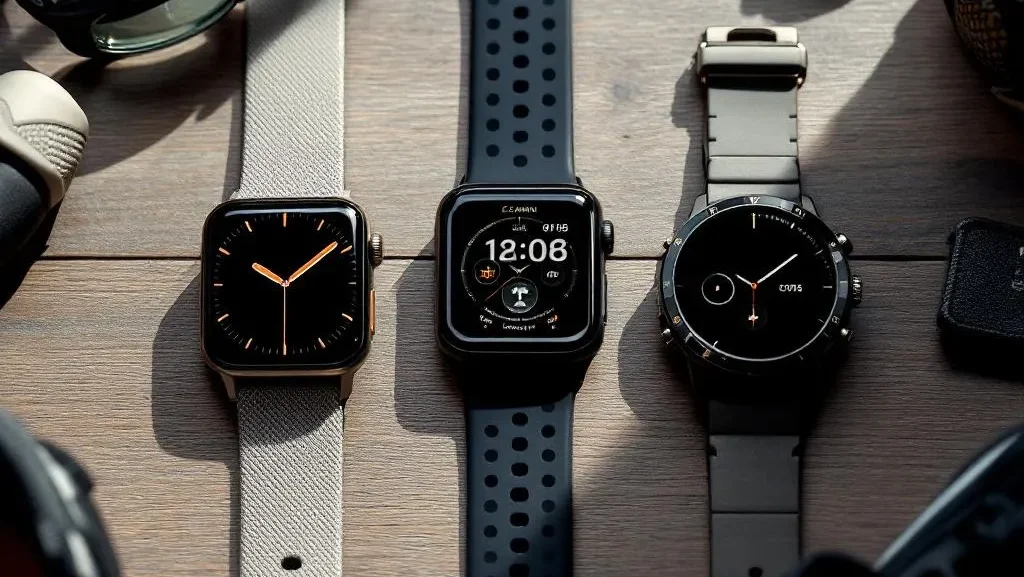
But these failures taught me what really matters in a GPS watch for triathlon. After years of testing various models through training sessions with and actual races, I’ve narrowed down the field to the best brand – Garmin – but keep an open eye on brands that consistently deliver: Apple Ultra, Garmin, and Coros.
So, which is the best GPS watch for triathlon in 2026? Let’s dive into the data.
Why GPS Watch Choice Matters for Triathletes
Unlike single-sport athletes, we need a watch that seamlessly handles three completely different disciplines. Your watch needs to track your swim training in the pool, survive open-water swims, provide accurate cycling metrics, and deliver reliable running data.
More importantly, it needs to handle race day transitions without you fumbling around trying to find the right button whilst your competitors steam past. Trust me, I’ve been there.
Apple Watch Ultra: The Newcomer That’s Serious About Sport
When Apple launched the Ultra, many seasoned triathletes (myself included) were sceptical. Could a company known for consumer tech really compete with dedicated sports watch manufacturers? After 18 months, I’m hearing impressive feedback.
What Apple Gets Right
The build quality is exceptional. The titanium case feels robust enough to survive everything triathlon throws at it, and people don’t report durability concerns during training or racing.
Battery life has improved significantly. In triathlon mode, you will easily get 10-12 hours, which comfortably covers most of us age-groupers. Charging is lightning-fast – 30 minutes gives you enough juice for a long training session.
The interface is intuitive. If you’re already in the Apple ecosystem, everything just works. Your workout data syncs seamlessly, and the integration with other health metrics is comprehensive.
Where Apple Falls Short
The sports-specific features lag behind dedicated sports watch brands. There’s no native power meter support for cycling, which is crucial if you’re following FTP-based training.
Open water swimming tracking can be inconsistent. I’ve seen feedback from people on sessions where the GPS struggled to maintain accuracy, particularly in choppy conditions.
Garmin: The Established Champion
Garmin has been the gold standard for sports watches for years, and there’s good reason for that dominance. I’ve used various Garmin models since starting triathlon, and they rarely let you down when it matters.
Garmin’s Strengths
The sports-specific features are unmatched. Every metric you could possibly want is there – power, cadence, stroke rate, ground contact time, VO2 max estimates, recovery metrics. It’s like having a sports science lab on your wrist.
Battery life is exceptional. My current Garmin easily lasts 24+ hours in GPS mode, so even if you’re having a tough day at an Ironman, your watch will still be tracking when you cross the finish line.
The ecosystem is comprehensive. Garmin Connect integrates with virtually every training platform, making data analysis straightforward.
Garmin’s Weaknesses
The learning curve is steep. I spent weeks figuring out all the features, and I suspect I’m still only using about 60% of what my watch can do.
The interface feels dated compared to Apple’s sleek design. It’s functional rather than beautiful, which matters if you’re wearing it daily.
Price can be prohibitive. The top-tier models are expensive, though they do hold their value well.
Coros: The Dark Horse
Coros is the brand that’s been quietly impressing athletes who prioritise battery life and core functionality over flashy features. My brother has one, and it’s become his go-to for long training sessions.
Why Coros Impresses
Battery life is simply outstanding. You can do an 8-hour training day and barely dent the battery. For ultra-distance athletes or those doing high-volume training blocks, this is game-changing.
The GPS accuracy is excellent, particularly for cycling. People have compared tracks with other devices, and Coros consistently delivers precise data.
Value for money is exceptional. You get premium features at a more accessible price point than equivalent Garmin models.
Coros Limitations
The ecosystem is smaller. There are fewer third-party integrations, which might matter if you use specific training platforms.
The interface is very basic. It focuses on function over form, which some athletes appreciate but others find limiting.
Smart features are minimal compared to Apple or even Garmin. If you want notifications, music control, or contactless payments, look elsewhere.
Real-World Race Performance
In sprint and Olympic-distance races, all three perform admirably. The shorter duration means battery life isn’t a concern, and basic GPS tracking is reliable across the board.
For 70.3 distances, differences start to emerge. The Apple Ultra occasionally struggles with GPS accuracy during longer bike legs, whilst both Garmin and Coros maintain consistent tracking.
For the Ironman distance, battery life becomes crucial. During my Ironman Cascais experience, having confidence that your watch will last the entire day is invaluable for pacing and motivation.
Which Should You Choose?
If you’re already deep in the Apple ecosystem and prioritise ease of use, the Apple Ultra is genuinely competitive. It’s particularly good for athletes who want a single device that seamlessly handles both sports and daily life.
If you’re serious about performance data and don’t mind a learning curve, Garmin remains the gold standard. The depth of features and integration options is unmatched.
If you prioritise battery life and value for money whilst still wanting excellent core functionality, Coros is the smart choice. It’s become my personal favourite for training.
My Recommendation for 2026
After extensive testing, here’s my honest take: there isn’t one “best” GPS watch for every triathlete. Your choice depends on your priorities, budget, and existing tech ecosystem.
For most age-group triathletes, I’d recommend starting with Coros for the combination of performance and value, then upgrading to Garmin if you find yourself wanting more advanced features.
Apple Ultra is perfect if you’re already using other Apple devices and want seamless integration, but you’ll need to accept that you might miss some sport-specific features.
Whatever you choose, remember that the best GPS watch is the one you’ll actually use consistently. I’ve seen athletes with £800 watches who barely track their training, whilst others get fantastic results with basic models because they understand their data.
The key is choosing a device that fits your training approach and actually helps you improve, rather than just collecting dust after the initial enthusiasm wears off.