
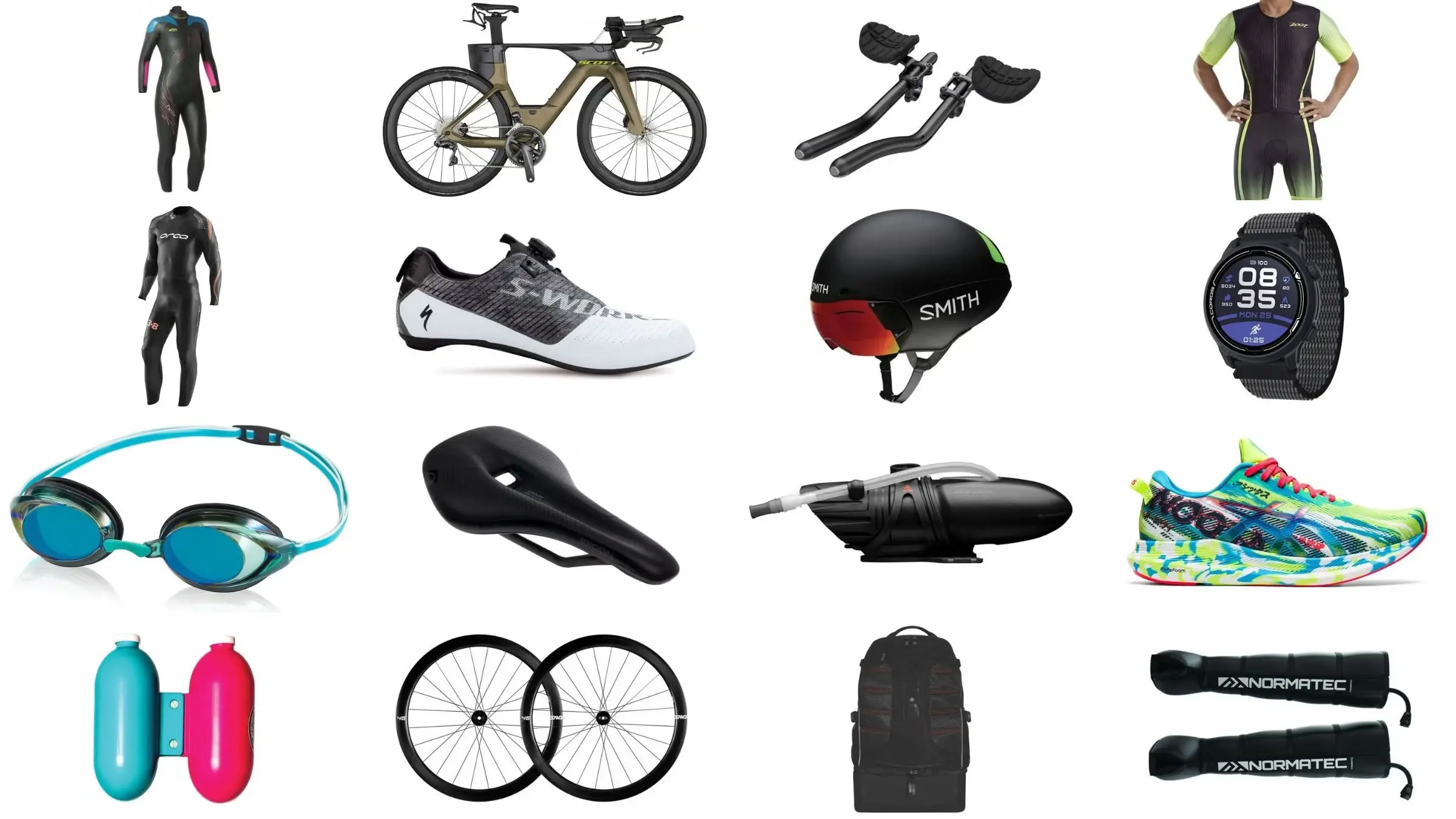
Triathlon Equipment for Vegans: What to Check and Why
When I went plant-based in 2021, I did what most people do: I overhauled my diet, checked my protein intake obsessively, and felt pretty smug about my food choices. What I didn’t do — not immediately, anyway — was think about my kit. It took an online question for someone to ask whether a chamois cream was vegan. I had absolutely no idea. Turns out, triathlon equipment for vegans is a more interesting topic than it first sounds.
The good news: most modern tri gear is already animal-free, or has an easy vegan swap. The less good news: a few sneaky products still contain animal-derived materials, and they’re not always the ones you’d expect.
Some triathlon equipment contains animal-derived materials, including neoprene wetsuits treated with animal glues, leather-based saddle chamois, and helmet padding made with wool or other animal fibres. Vegan triathletes can avoid these by choosing synthetic alternatives — many of which perform just as well as, or better than, the real thing.
Why Triathlon Kit Even Matters for Vegans
Veganism is usually framed as a dietary choice, but the ethical logic extends to what you wear and use. Animal products turn up in places you’d never guess: adhesives, dyes, foam processing, leather, wool padding. You don’t need to audit every millimetre of your kit obsessively, but knowing where the common culprits are means you can make informed choices when you’re replacing things anyway.
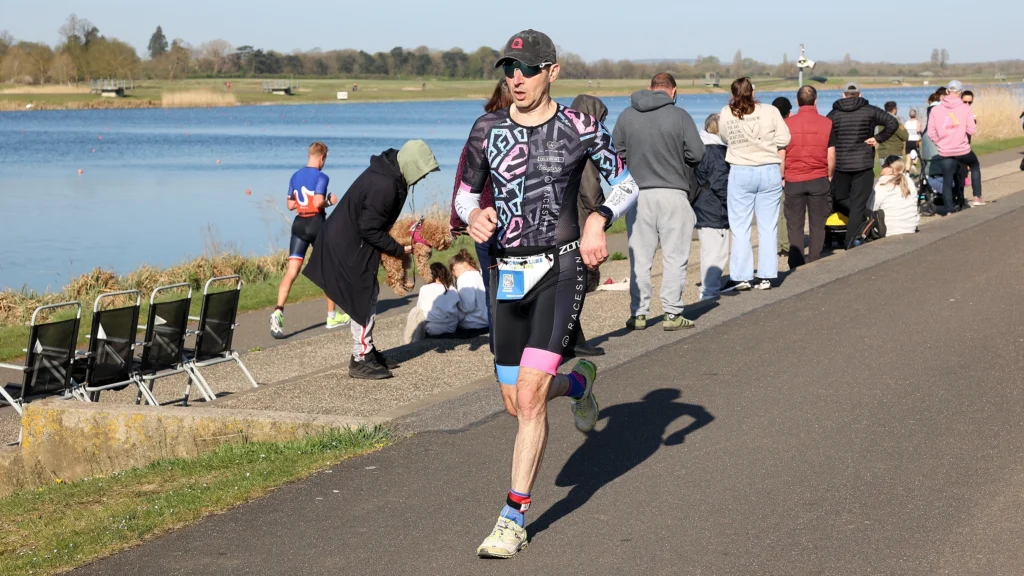
I’m not going to lecture anyone about what level of commitment is right for them. My approach since 2021 has been to swap things out gradually as they wear out, prioritising diet first and kit second. Five IronMan finishes in, and I’ve never felt like my plant-based choices held me back. In fact, my Challenge Roth race report covers what I ate and used that day, and it’s pretty solidly vegan throughout.
Wetsuits: Mostly Fine, but Check the Glue
The neoprene itself in most triathlon wetsuits is synthetic. No animal products in the main material. The potential issue is the adhesive used to bond the panels. Some manufacturers use animal-based glues in construction, though this is becoming rarer as synthetic adhesives have improved.
Brands like Orca and Roka are generally considered vegan-friendly in construction. If you’re buying new and want certainty, it’s worth emailing the brand directly. Most are responsive to this, and the question is more common than it used to be.
Practically speaking, the wetsuit you already own is almost certainly fine. This is one of those areas where the ethical impact of switching is minimal compared to, say, diet.
Saddles and Chamois: The Bigger Issue
This is where it gets more interesting. Traditional cycling saddles used leather covers — and some premium road saddles still do. For triathlon-specific saddles, the good news is that most are already fully synthetic. Tri saddles prioritise aerodynamics and comfort in the aero position, and manufacturers have almost universally moved to microfibre and synthetic covers.
Check the product listing before you buy. Look for “synthetic cover” or “microfibre” in the description. If it just says “leather”, it means leather.
Chamois cream is a different matter. Traditional formulations often contain lanolin (derived from sheep’s wool) or beeswax. Plant-based alternatives exist and work just as well:
- Bodyglide: plant-based, widely available, works as both anti-chafe and wetsuit lube
- Chamois Butt’r Original: check the specific formulation, as the range varies; some versions are vegan-friendly
- Many own-brand chamois creams from larger retailers are now fully synthetic
Read the ingredients. Lanolin is the main one to watch for.
Helmets: Padding Is the Culprit
Helmet shells are plastic and clearly animal-free. The inner padding, however, can use wool-based or leather-finished materials in some models. This is less common in modern aero helmets, which tend to use synthetic foam padding throughout.
I’ve ridden Limar helmets in the past as part of my ambassador relationship with the brand — their aero offerings use synthetic padding, and I’ve had no concerns on that front. If you’re buying any helmet and want to be certain, check the brand’s materials page or drop them a message.
Running Shoes: Mostly Sorted
High-performance tri running shoes are almost entirely synthetic by design — mesh uppers, synthetic overlays, foam midsoles. The potential issue is with the adhesive and, occasionally, with leather detailing on more traditional running shoes.
For race-specific shoes (think Asics Metaracer, On Cloudboom Echo, Brooks Hyperion), synthetic construction is standard. The vegan risk is higher with casual or lifestyle shoes that sometimes include leather trim. You can find vegan footwear here if you want to purchase some.
Nutrition and Fuelling Kit
This is where plant-based athletes have the most choice — and where some non-obvious animal products sneak in. Gelatine is the main watch-out: it appears in some gel capsules, certain chews, and even some recovery powders.
My current race day fuelling is built around brands I’ve tested extensively:
- TORQ: hydration and gels are plant-based; I’ve been trialling their range and the hydration powder in particular holds up well on long bike legs
- Styrkr: their BAR50 is a standout and fully vegan; solid for the bike leg when you want real food rather than a gel
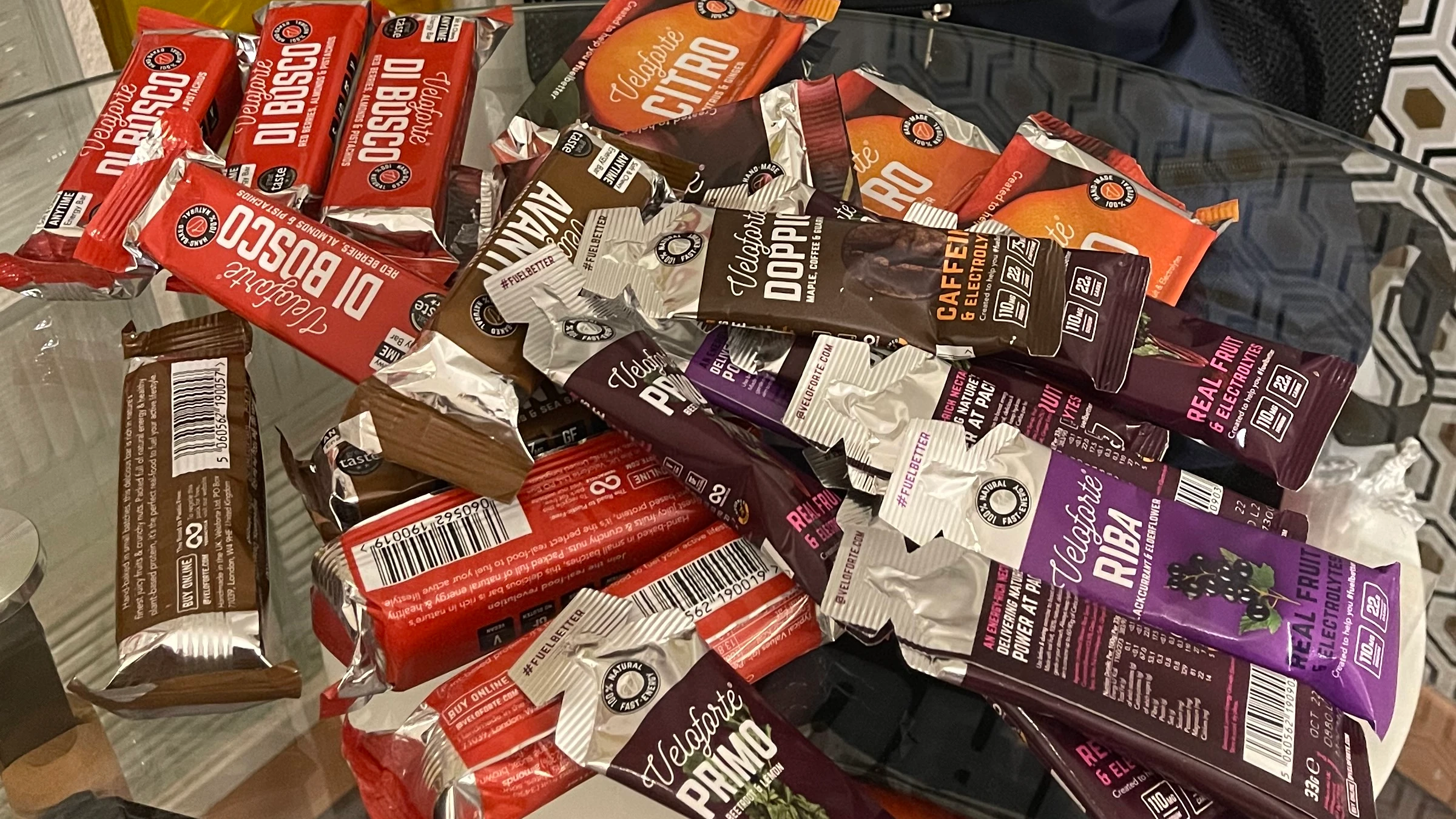
- Veloforte: chews are made from whole food ingredients, fully plant-based
- Nuzest: my preferred recovery powder post-session; plant-based protein, mixes easily
Check labels on anything new. The shift in the sports nutrition market toward plant-based products has been significant, but gelatine still appears in some products from brands that don’t market themselves as vegan.
The British Dietetic Association’s guidance on plant-based diets is useful background reading if you want a credible source on nutrition — though for race-specific fuelling, your own training-based testing is always the most relevant data.
Apparel: Sundried as a Starting Point
Tri suits and cycling kits are generally made of synthetic materials — polyester, spandex, Lycra. The exception is merino wool, which some brands use for base layers or casual training kits. For race-specific apparel, you’re unlikely to encounter wool.
I raced and trained in Sundried kit — they’re a brand I work with as an ambassador, and their apparel is made from recycled materials with no animal products. Worth a look if you’re after kit that aligns with your values and your training.
The Practical Takeaway
You don’t need to replace everything at once. The biggest wins for vegan triathletes are in three places: chamois cream (swap immediately, it’s cheap), saddle cover (check when replacing), and race nutrition (read every label). Everything else — wetsuits, helmets, shoes — is mostly fine already, and can be managed as things wear out naturally.
Going plant-based as an athlete is about making better choices where you can, not achieving perfection overnight. If you’re racing five IronMans on a vegan diet and still occasionally using the same chamois cream you’ve had for three years, I’m not sure anyone’s going to judge you. The plant-based nutrition guide on this site is a good next step if you want to dig into fuelling properly.
Small swaps, made consistently, add up. That’s as true for kit as it is for everything else.





Leave a Comment
You must be logged in to post a comment.