Scrolling through Sigma Sports at midnight, I had two sets of bike wheels open in separate browser tabs. The carbon ones had a price tag that made me close the laptop and go to bed. The aluminium set was sensible, capable, and considerably less traumatic for the bank balance. But was sensible actually the right call?
If you’re an age-group triathlete weighing up a wheel upgrade, you’ve probably been down this rabbit hole. The carbon versus aluminium debate isn’t just about flashy gear; it’s about understanding what actually makes you faster and whether the investment matches your racing goals.
The Real Performance Differences
Let’s cut through the marketing noise. The primary advantages of carbon wheels come down to aerodynamics and weight, but the devil’s in the details.
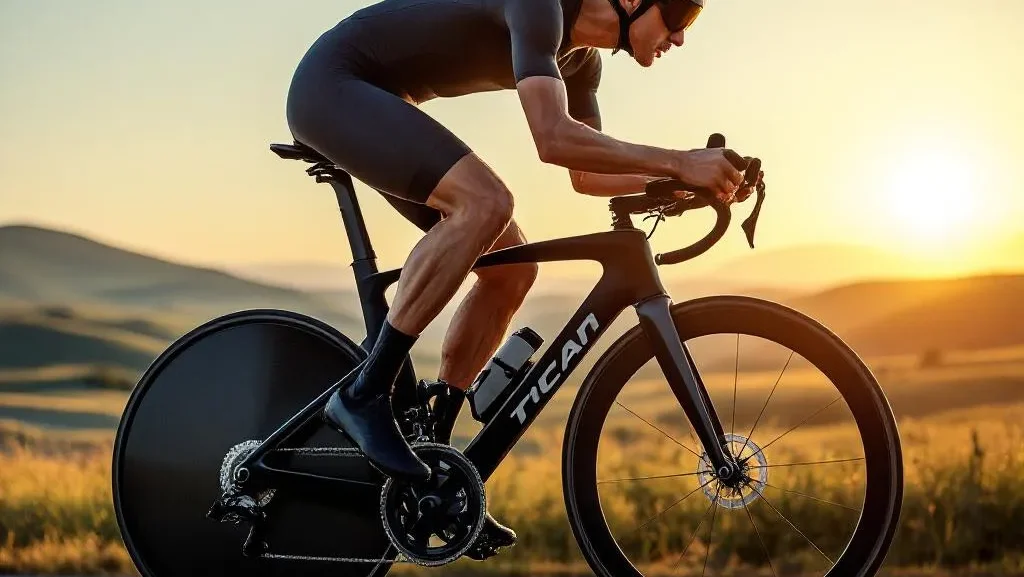
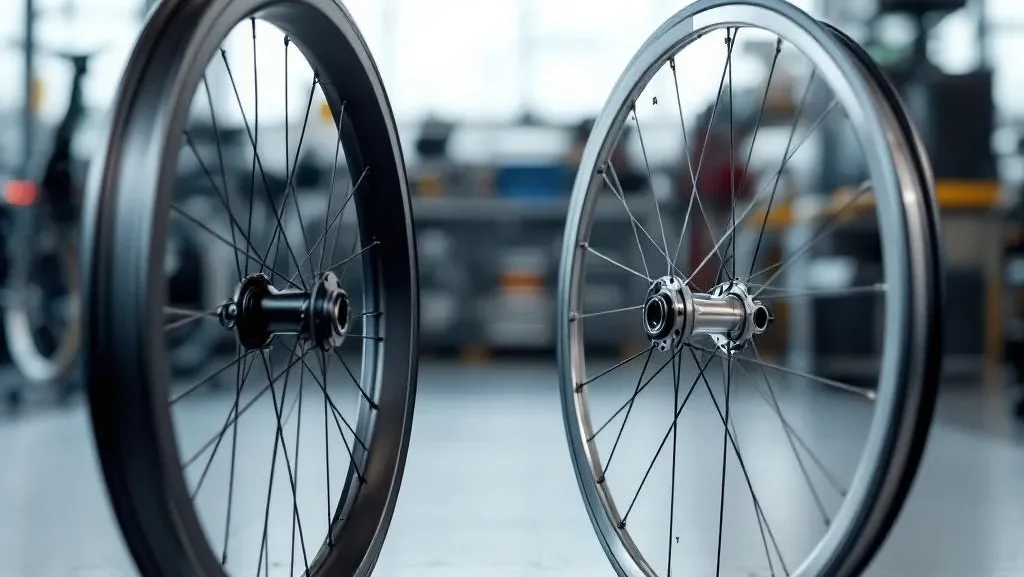
Carbon wheels typically offer better aerodynamic profiles because the material allows manufacturers to create deeper, more complex rim shapes without adding excessive weight. A 50mm deep carbon wheelset might weigh similar to a 30mm aluminium set whilst offering significantly better aero performance.
During my middle-distance races, I’ve noticed the difference is most pronounced on flat, fast courses where you’re holding steady power for extended periods. The FTP you’ve worked so hard to build becomes more effective when you’re cutting through the wind efficiently.
Weight matters too, but perhaps not where you’d expect. Those precious grams saved make little difference on flat courses but become noticeable on climbs. If your local races feature significant elevation, every gram counts when you’re grinding up that final hill before transition.
The Money Question
Here’s where things get interesting. Quality aluminium wheelsets start around £300-500, whilst carbon options begin around £800-1200 and can easily exceed £2000 for top-tier models.
Before you wince at those numbers, consider this: a decent carbon wheelset might save you 30-60 seconds over a 40km time trial compared to basic aluminium wheels. For context, that’s roughly equivalent to improving your sustained power by 10-15 watts.
Ask yourself honestly, is it easier to find those watts through training, or through your wallet? For most age-groupers, the answer points toward more time on the bike and better coaching rather than expensive carbon.
When Carbon Makes Sense
Carbon wheels become a sensible investment when you’ve maximised other areas. If you’re already well-trained, have sorted your position and triathlon fundamentals, and race regularly at competitive levels, then marginal gains matter.
I’ve also found that carbon wheels transform the riding experience. They feel more responsive, climb better, and honestly, they look fantastic. There’s something to be said for a kit that makes you excited to train.
Practical Considerations
Beyond speed, daily practicality matters enormously. Aluminium wheels are virtually bombproof. You can ride them through potholes, lean them against walls, and generally treat them like the workhorses they are.
Carbon requires more care. Sudden impacts can cause invisible damage, brake heat can be problematic on rim-brake versions, and replacement costs sting. During training rides with the club, I’ve seen carbon wheels develop issues that would barely scratch aluminium equivalents.
Maintenance and Longevity
Aluminium wheels typically last longer with less fuss. The brake tracks wear predictably, spokes rarely break, and when something does go wrong, repairs are straightforward and affordable.
Carbon wheels can last decades if treated well, but they’re less forgiving of mistakes. A moment’s inattention with tyre levers can create expensive problems, and not all bike mechanics feel comfortable working on high-end carbon.
As sports physiologist Iñigo San Millán notes on TrainingPeaks, equipment upgrades fall into the category of “marginal gains” — useful only once the major physiological gains from structured training are already in place.
My Recommendation Framework
Choose aluminum wheels if you’re relatively new to the sport, training on varied terrain with potential hazards, or working within a tight budget. They’ll serve you brilliantly whilst you develop your engine and race experience.
Consider carbon if you’ve been racing for several years, compete regularly in time trials or flat triathlon courses, have disposable income for marginal gains, and can commit to careful maintenance.
There’s also a middle ground worth considering: quality aluminium wheels with good aerodynamic profiles. Brands now offer deep-section aluminium wheelsets that capture much of the aero benefit without the carbon price premium.
Beyond the Wheels Themselves
Remember that tyres matter enormously, regardless of rim material. A quality tyre on aluminium wheels often outperforms cheap rubber on expensive carbon. Rolling resistance and puncture protection affect your race day more than rim materials in many scenarios.
Consider your complete wheel system: hubs, spokes, and bearings all influence performance and longevity. Sometimes upgrading these components on existing wheels proves more cost-effective than wholesale replacement.
The positioning and power you bring to those wheels matter infinitely more than the wheels themselves. Focus on what’s between your ears and in your legs before obsessing over what’s beneath your tyres.
Making Your Choice
Ultimately, the best wheels are the ones that match your racing ambitions, budget, and maintenance preferences. Both carbon and aluminium can help you achieve your triathlon goals when paired with consistent training and smart racing.
If you’re still unsure, consider borrowing or renting wheels for a few key races to experience the difference firsthand. Many cyclists discover that the performance gap feels smaller in practice than on paper, whilst others become convinced that carbon is worth every penny.
Whatever you choose, remember that the most important upgrade is always the one that gets you out training more consistently. Whether that’s bombproof aluminium wheels you can ride anywhere or carbon wheels that make you feel like a pro, invest in what motivates you to keep improving.