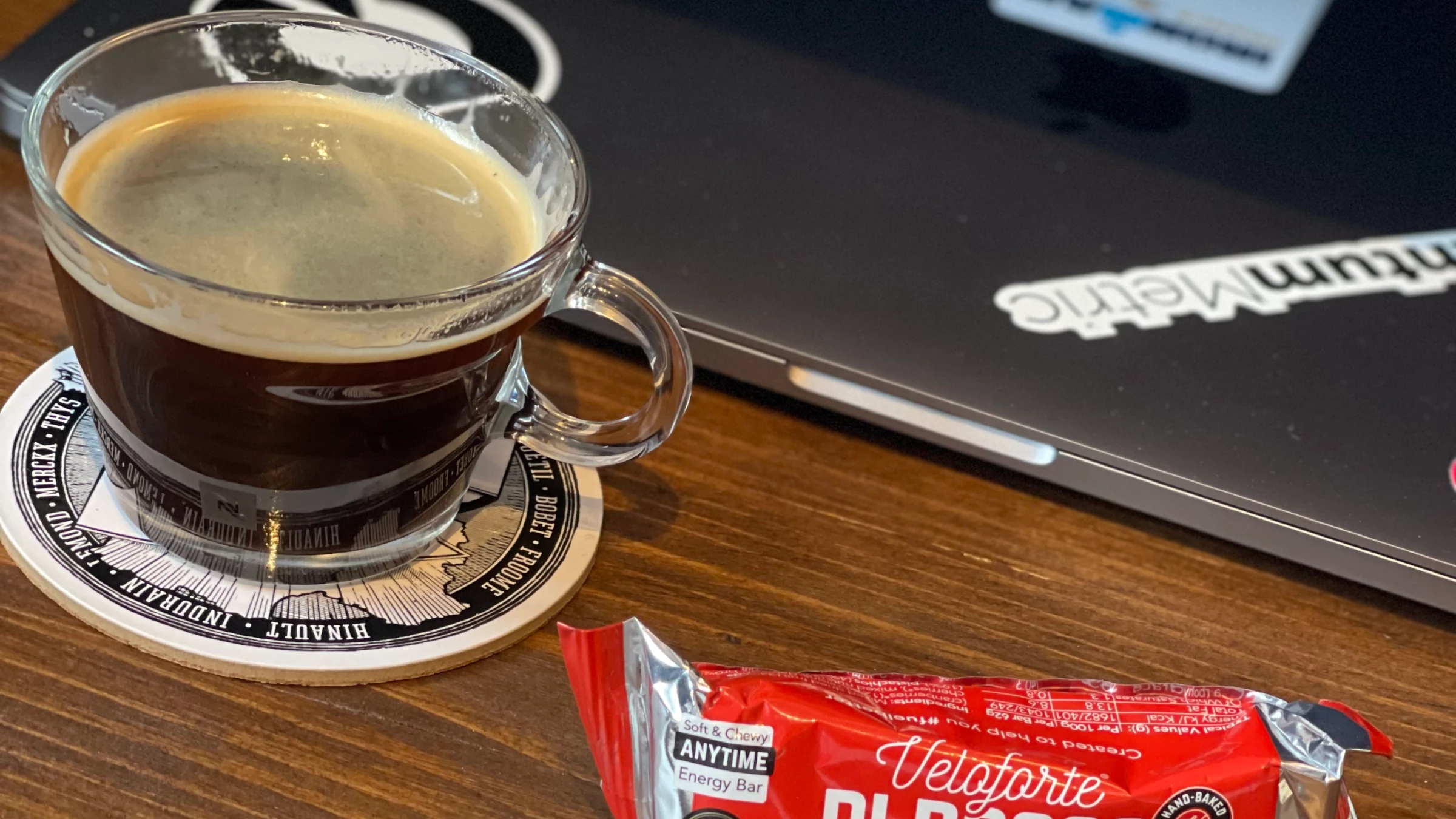
There’s a special kind of suffering that has nothing to do with the swim, the bike, or the run. It’s the jittery, heart-racing, stomach-churning chaos that comes from treating caffeine like a free pass to go faster — two espressos before the gun, a caffeine gel at T1, another one “just in case” on the bike, and suddenly you’re vibrating like a tuning fork somewhere around mile 40 wondering why your legs feel like they belong to someone else.
Caffeine is genuinely performance gold. The science backs it up, the pros swear by it, and most age groupers have at least one war story involving too much of it at the wrong moment. The problem isn’t the caffeine — it’s the strategy. Or rather, the complete absence of one.
Because caffeine for endurance racing isn’t about consuming more. It’s about consuming smart.
Understanding Caffeine’s Impact on Endurance Performance
Caffeine works by blocking adenosine receptors in your brain, reducing the perception of effort and fatigue. According to the International Society of Sports Nutrition‘s position stand on caffeine and exercise performance, doses of 3–6mg per kilogram of body weight consistently improve endurance performance, with mean power output gains of around 3% and time-trial improvements of roughly 2–3%.
For a 70kg athlete, that’s roughly 200-400mg of caffeine, equivalent to 2-4 cups of coffee. But here’s where it gets interesting: your caffeine tolerance, race duration, and environmental conditions all influence the optimal strategy.
During longer events, caffeine also helps maintain focus and decision-making ability. When you’re five hours into an Ironman, and your brain starts getting foggy, that mental clarity becomes as valuable as the physical performance boost.
Pre-Race Caffeine Protocol
Your pre-race caffeine strategy should start days before the event. If you’re a regular coffee drinker like I am (despite that month without coffee experiment), maintain your normal intake leading up to race day.
Some athletes try caffeine withdrawal before races to increase sensitivity, but I’ve found this creates more problems than benefits. You’re dealing with withdrawal symptoms when you should be feeling fresh and ready.
On race morning, consume 100-200mg of caffeine 30-60 minutes before the start. I prefer a strong coffee with my high-protein breakfast, as it’s familiar and comfortable. This gives you the initial boost without overshooting into anxiety territory.
During-Race Caffeine Strategy
For races lasting longer than 90 minutes, you’ll want to top up your caffeine levels during the event. This is where timing becomes crucial. Too early and you’ll crash, too late and you’ll miss the benefits when you need them most.
I typically plan caffeine intake around these timeframes:
- Sprint/Olympic distance: Pre-race caffeine only
- 70.3 distance: Additional 50-100mg at the 2-3 hour mark
- Ironman distance: 50-100mg every 3-4 hours after the initial dose
Caffeine gels are convenient during racing, but be mindful of your total intake from all sources. Many sports drinks and gels contain caffeine, so read labels carefully. I keep a mental tally or write my plan in my race notes.
Delivery Methods and Timing
Different caffeine sources have varying absorption rates and effects. Coffee takes 30-60 minutes to peak, while caffeine gels can work within 15-30 minutes. Pills provide consistent dosing but take longer to absorb than gels.
During bike legs, I prefer caffeinated sports drinks as they’re easy to consume and combine hydration with energy. On the run, gels work well but should be taken with water to aid absorption and prevent stomach issues.
Cola drinks at aid stations can be brilliant for later stages of long races. The combination of caffeine, sugar, and familiarity often provides both physical and psychological benefits. Many athletes swear by flat Coke in the final stages of an Ironman.
Individual Factors and Personalisation
Your optimal caffeine strategy depends on several personal factors. Body weight affects dosing; larger athletes generally need more caffeine for the same effect. Caffeine sensitivity varies widely between individuals, with some people becoming jittery at small doses while others seem immune to large doses.
Training history matters too. If you’ve never used caffeine during training, race day isn’t the time to experiment. I always test my caffeine protocol during key training sessions and practice races.
Environmental conditions influence caffeine’s effects. Hot weather increases the risk of side effects such as an elevated heart rate and dehydration. In these conditions, I reduce my intake slightly and focus more on cooling strategies and electrolyte balance.
Avoiding Common Caffeine Mistakes
The biggest mistake I see athletes make is treating race day like an all-you-can-consume caffeine buffet. More isn’t always better, and there’s definitely a point of diminishing returns where additional caffeine increases side effects without improving performance.
Timing mistakes are equally problematic. Taking caffeine too early means you’ll crash before the finish, while leaving it too late means missing the boost when fatigue sets in. Practice your timing during training to find what works for your body and race duration.
Don’t forget about caffeine’s diuretic effects, especially early in a race. While regular caffeine users develop some tolerance to this effect, it’s still worth considering in your hydration planning. I always ensure adequate fluid intake when consuming caffeine during races.
Integration with Overall Race Nutrition
Caffeine strategy shouldn’t exist in isolation. It needs to complement your broader nutrition plan. Consider how caffeine interacts with your fuel sources, hydration needs, and electrolyte balance.
Some athletes find that caffeine affects their appetite or makes certain foods less appealing. If this happens to you, prioritise getting adequate calories and adjust caffeine timing or amounts accordingly.
The combination of caffeine with carbohydrates can enhance both absorption and performance benefits. Many commercial sports products are formulated with this in mind, providing both energy and stimulation in one convenient package.
Race Day Execution
On race day, stick to your practised plan but remain flexible enough to adjust based on how you’re feeling. If you’re experiencing any stomach issues, skip the caffeine until things settle. If you’re feeling flat despite your normal intake, a small additional boost might help.
Keep track of your total caffeine consumption throughout the day. It’s easy to lose count during a long race, especially when you’re tired and making decisions on autopilot. Having a simple system helps prevent overconsumption.
Remember that caffeine affects people differently at different times of day and under different stress levels. What works perfectly in training might feel different during the heightened state of race day. Trust your body’s signals and adjust accordingly.
Post-Race Considerations
After finishing, be mindful that you may have consumed significant caffeine during the race. This can affect your sleep that night, which is crucial for recovery. Consider this when planning your post-race celebration: that extra coffee might not be the best idea.
Some athletes experience caffeine crashes post-race as the stimulant wears off. This is normal and temporary, but worth noting when planning your recovery activities.
Use each race as a learning opportunity to refine your caffeine strategy. What worked well? What would you change? These insights help develop an increasingly personalised and effective approach for future events.
Getting your caffeine strategy right can provide that extra edge when racing gets tough. Like any aspect of race preparation, it requires practice, patience, and personalisation. Start experimenting in training, keep detailed notes, and remember that the best strategy is the one that works specifically for you and your racing goals.